What Are the Key Benefits of Wholesale Fruit Tree Organic Fertilizer?
Understanding Wholesale Fruit Tree Organic Fertilizer
- Understanding Wholesale Fruit Tree Organic Fertilizer
- The Core Benefits of Using Organic Fertilizer for Fruit Trees
- How to Effectively Use Wholesale Organic Fertilizer for Fruit Trees
- Comparing Wholesale Organic Fertilizers: Selecting the Best Supplier and Product
- Maximizing ROI: How Wholesale Organic Fertilizer Boosts Your Procurement Strategy
- Conclusion
- FAQ
- Partner with Sciground for Premium Wholesale Fruit Tree Organic Fertilizer Solutions
- References
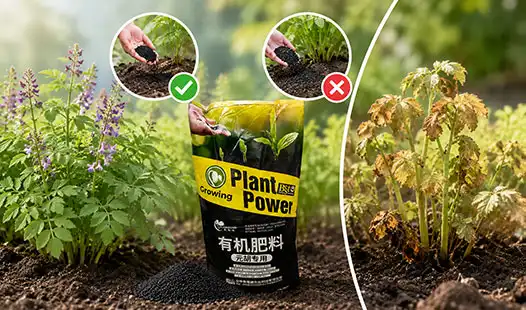
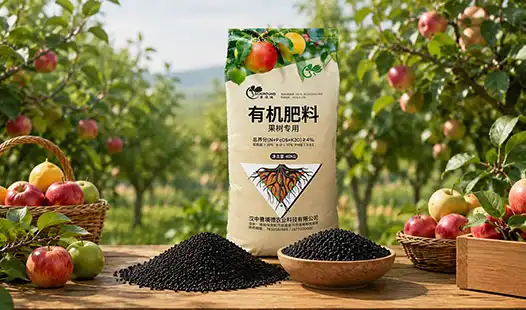
When you buy in bulk, Wholesale Fruit Tree Organic Fertilizer saves you money and improves the performance of your crops. These special fertilizers improve the health of the soil, raise the quality and output of the food, harm the environment less, and meet the standards for organic certification. Choosing the right wholesale supplier is important for procurement managers because it helps them keep supply chains consistent, achieve economies of scale, and support the company's sustainability goals. It can also help orchards make more money in the long run and protect them from soil degradation that happens in systems that grow a lot of fruit.
Understanding Wholesale Fruit Tree Organic Fertilizer
What Makes Fruit Tree Organic Fertilizer Unique
Wholesale Fruit Tree Organic Fertilizers are bio-active soil amendments that are made to work with the complicated nutritional cycles of continuous fruit-bearing trees like tropical, citrus, stone fruit, and pome fruit types. These products are different from regular fertilizers because they are designed to time the release of nutrients with the tree's phenological stages, from hibernation breaking through to fruit growth. Composted dung, plant residues, leonardite, soybean meal, and bio-organic mixes enhanced with helpful microbial consortia like Bacillus subtilis and Trichoderma species are all used in the formulations.
The Technical Advantage of Bulk Organic Sourcing
When you buy in bulk, you get big savings of scale that have a direct effect on your operating budgets. When purchasing, teams buy Wholesale Fruit Tree Organic Fertilizer in bulk, they get lower prices per unit, a steady supply, and stricter quality controls that they can't get with smaller purchases. This method helps farming companies keep their operations running smoothly while making sure that products can be tracked throughout their entire buying process. For motorized spreading, wholesale sellers usually offer granular mixtures ranging from 2 to 4 mm or liquid concentrates perfect for fertigation systems. This gives farmers the freedom to set up their orchards in a variety of ways.
Addressing Critical Industry Pain Points
Wholesale Fruit Tree Organic Fertilizer directly fights Soil Exhaustion Syndrome, a common problem in intensive orcharding where continuous cropping depletes important trace elements like iron, zinc, and boron while breaking down the structure of the soil. These fertilizers improve the rhizosphere environment to stop root rot diseases by adding humified organic matter, amino acids, and good bacteria to the soil. This makes the soil less compact and fixes pH changes that happen when synthetic nitrogen is used for a long time. The result is higher Brix levels in the fruit and longer shelf life stability, both of which are important for making the fruit marketable and making customers happy.
The Core Benefits of Using Organic Fertilizer for Fruit Trees
Enhanced Soil Structure and Nutrient Retention
By adding organic matter, which usually makes up 45% or more of the product, organic nutrients basically improve the structure of the soil. This organic matter makes the earth more porous and airy, which helps with problems caused by too much manufactured use. The carbon-based chemicals work by releasing nitrogen, phosphorus, potassium, and trace elements over long periods of time through mineralization processes that are controlled by microbes in the soil. This process greatly raises the Cation Exchange Capacity, which helps the earth hold on to nutrients that would normally be washed away by watering or rain.
The slow-release properties stop the fertilizer from leaching and flowing, which happens with soluble chemical nitrates. This lowers the risk of eutrophication in water systems nearby. Wholesale Fruit Tree Organic Fertilizer works by breaking down nutrients through microbial hydrolysis instead of dissolving right away. This means that nutrients are made available to trees as they need them during the growing season. This matching of supply and demand makes the best use of nutrients while causing the least damage to the environment.
Improved Fruit Quality and Marketability
Studies show over and over that using organic sources makes fruit taste, smell, and last longer than conventionally grown fruit. The fertilizers help the plant make secondary metabolites, such as flavonoids and terpenes, which are what make food taste and smell good to people. Trees that get organic food have stronger root systems that can reach deeper into the earth to find water and nutrients. This makes the trees more resistant to stress during droughts and helps them produce more regular fruit sizes.
According to research from agricultural colleges, fruit quality factors get better in orchards that switch to organic fertilization programs. Professionals in procurement know that these quality improvements directly increase the marketability and premium price options of goods, especially in markets that are certified as organic, where customers are willing to pay significantly more for organic produce than for conventional produce. The link between using organic inputs and getting better crop results makes a strong business case for tactics that involve buying in bulk.
Environmental Compliance and Sustainability
Using Wholesale Fruit Tree Organic Fertilizer in a way that doesn't harm the environment cuts down on chemical waste, making businesses more in line with stricter environmental rules. The lower salt index of organic varieties stops root burn and salinization problems that high salt index synthetics cause, which protects the soil's long-term production. These chemicals protect the soil from sudden changes in pH, which keeps the growing conditions fixed and helps good microbiology in the soil.
Green sourcing is becoming more and more required by corporate sustainability policies, and buying Wholesale Fruit Tree Organic Fertilizer directly supports these institutional pledges. Procurement teams show they care about the environment by working with certified organic suppliers. This improves the brand's image with eco-friendly customers and store partners. Adding organic matter to the rhizosphere helps restore the microbiomes that live there. This naturally kills soil-borne pathogens, which cuts down on the need for chemical fungicides and supports integrated pest management systems.
How to Effectively Use Wholesale Organic Fertilizer for Fruit Trees
Optimal Application Timing and Techniques
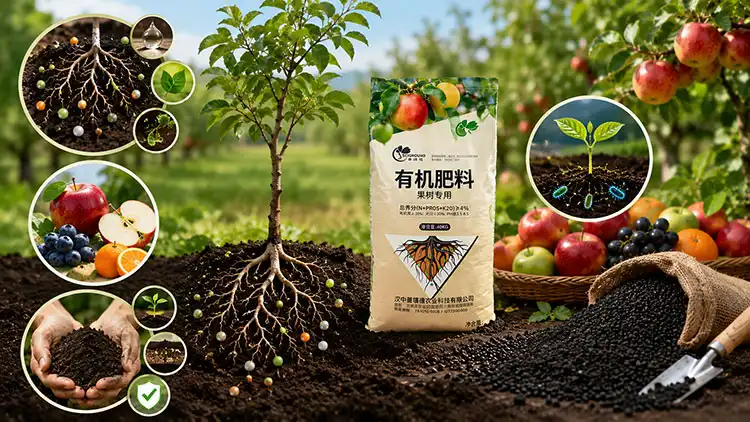
To use Wholesale Fruit Tree Organic Fertilizers effectively, you must first know the best times of the year to apply them so that the plants can absorb the most nutrients. After the harvest, in the fall, basal application is a key time for healing because it restores the tree's energy stocks that were used up by fruit production. At the dripline, commercial trees use radial ditch or circle furrow application, adding fertilizer at levels where active feeder roots are most concentrated. This method makes sure that nutrients are still available during the winter when plants are dormant and are easy to get during the spring root flush.
To keep new orchards from getting move shock, mix Wholesale Fruit Tree Organic Fertilizer with local soil in planting holes. When planted 30 to 40 cm deep, the roots grow quickly, which is especially important in subsoils that are packed. Heavy metals are held in check by the high humic acid content, which is usually more than 10% in good formulas. This helps cells move around, which speeds up the setup process.
Storage and Handling Best Practices
Bulk sellers must follow the right handling procedures to keep products from going bad while they are being shipped and stored. Keeping the moisture content below 20% stops caking and the growth of pathogens that make fertilizer less effective. Warehouses should be protected from strong sunlight and rain, and they should have enough air flow to keep dampness from building up. Managers of procurement should set up methods for rotating their goods so that old stock moves before it loses its quality.
Changes in temperature can make microbes less likely to survive in bio-enhanced products, so it's best to store liquid preparations in a climate-controlled space. Granular goods are more stable, but they still need to be kept away from wetness, which can cause them to clump and be hard to use. Because these handling factors have a direct effect on return on investment, having the right storage equipment is an important part of running a successful wholesale buying program.
Recognizing and Correcting Nutrient Deficiencies
Orchard managers need to learn how to spot the signs of nutrition shortage so that they can take the right action quickly. Boron deficiency leads to fruit that is misshapen and doesn't set well, while zinc deficiency shows up as rosetting and chlorosis in new growth. Wholesale Fruit Tree Organic Fertilizer mixes usually have chelated calcium, magnesium, boron, and zinc in them to stop diseases like bitter pit and cork spot that lower the value of the produce.
Regular testing of the earth and tissue gives data-driven information that helps make changes to the treatment rate. The best carbon-to-nitrogen ratios for quality goods are between 15:1 and 20:1. This makes sure that nitrogen is available without causing nitrogen robbery, which is when microbes in the soil briefly lock up nitrogen while high-carbon materials break down. This level of technical detail sets professional-grade bulk goods apart from regular waste materials.
Comparing Wholesale Organic Fertilizers: Selecting the Best Supplier and Product
Critical Supplier Selection Criteria
To choose the best bulk provider, you need to look at more than just unit price. Orchards that want to get organic market certifications need to show that their goods meet strict standards for raw materials and processing methods. This is what organic certification qualifications do. Third-party testing for nutrient content, heavy metal contamination, and pathogen presence is part of quality assurance methods that separate reliable producers from sources that may not be as trustworthy.
Minimum order numbers have a big effect on how easy it is to buy things, especially for medium-sized businesses. Suppliers with adjustable MOQs and competitive prices can help businesses during transitional times when they are slowly scaling up their organic programs. Logistics skills, such as being able to keep supply dates, handle transport properly, and provide quick customer service, determine how smoothly operations run. To make sure a seller is reliable, procurement teams should ask for referrals from current customers who manage orchards on similar scales.
Evaluating Product Types and Formulations
Depending on the conditions of the farm and the management goals, each type of fertilizer has its own benefits. Compost-based products are great for adding organic matter to the soil and supporting a wide range of microorganisms, but they may not have as many nutrients as other products, so they need to be used in larger amounts. Manure-based formulations have strong NPK profiles and great organic matter contributions. However, only buying from approved sources can ensure that pathogens and weed seeds are properly composted away.
Bio-organic mixes that contain certain bacterial inoculants can help with certain soil health problems. Root rot bacteria are killed by formulas that contain Trichoderma species, and phosphorus is made more available by Bacillus subtilis strains that dissolve it. During key growth stages, liquid enzymatic products work well for fertigation systems and foliar treatments because they give amino acids and potassium without making the soil more salty.
Cost-Effectiveness Analysis
Instead of just looking at the buy price, people who work in procurement need to look at the total cost of ownership. Wholesale Fruit Tree Organic Fertilizer may cost more up front than synthetic options, but a thorough study shows that it will save you money in the long run. As biological fertility rises, better soil health lowers future input needs. This lowers yearly fertilizer costs over a period of years. Better fruit quality brings higher prices, which raises the amount of money made per acre and balances out differences in the cost of inputs.
Environmental compliance risks are lower, and cleaning costs related to polluted groundwater are avoided. These are two more economic benefits. Companies like Sciground offer clear pricing systems and agronomic support services that help procurement teams correctly project the total program economics. This lets them make decisions that are in line with their organization's financial goals.
Maximizing ROI: How Wholesale Organic Fertilizer Boosts Your Procurement Strategy
Financial Benefits of Bulk Purchasing
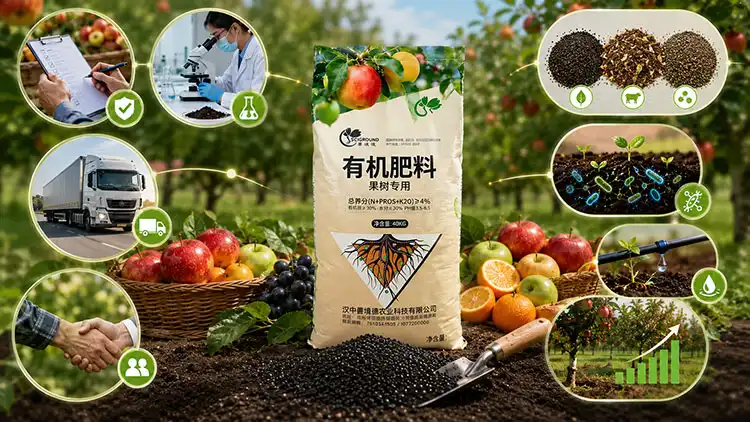
When you buy in bulk, you save money right away because of volume savings that can cut the price per ton by 15–30% compared to smaller orders. When big orchards take care of hundreds or thousands of acres, these savings add up. Shipping items together lowers the cost of freight per unit, and making the buying process easier lowers the administrative work that comes with making lots of small purchases. Setting up long-term supply deals with wholesale manufacturers protects operations from the changes in the market that affect spot buying and keeps prices stable.
Wholesale Fruit Tree Organic Fertilizer not only saves money, but it also improves the health of the land, which means less inputs will be needed in the future. As organic matter builds up and helpful bacterial communities form, soil biological richness increases to support the nutrients that are added. This progression lets application rates be slowly lowered while returns stay the same or go up, giving cost benefits that grow over time.
Supporting Corporate Sustainability Goals
Buying organic goods directly supports companies' efforts to be more environmentally friendly and follows green purchasing practices that have a bigger impact on how they run their businesses. Environmental, social, and governance measures are now big parts of how companies are valued and how investors decide what to do. Showing support for sustainable farming by using certified organic inputs improves a brand's image with eco-friendly customers and store partners who care about supply chain sustainability.
Following foreign organic standards, such as USDA Organic, EU Organic Regulation, and similar licenses in export markets, is a smart way to gain a competitive edge. When wholesale sellers keep these licenses up to date, they can easily join organic production systems without having to go through extra steps to get certified. Companies like Sciground have the right licenses and can provide proof that they meet customer compliance standards, which makes the buying process easier.
Documented Performance Improvements
Case studies from business orchards show that changes to Wholesale Fruit Tree Organic Fertilizer programs led to measurable gains. Almond farms in California saw their yields rise by 12 to 18% over the course of three growing seasons, and the quality of the nuts also got better. After putting in place organic soil health programs, Florida citrus growers saw their trees become stronger and less likely to get Huanglongbing disease. Apple orchards in Washington were able to get higher prices for organically approved fruit, which covered the costs of the switch within two harvest rounds.
These examples from real life show that buying Wholesale Fruit Tree Organic Fertilizer strategically gives a measured return on investment that goes beyond the instant effects on crops. Building strong ties with suppliers through wholesale partnerships gives you access to technical know-how, special formulas, and quick support, all of which make the program more successful. Wholesale Fruit Tree Organic Fertilizer is an important part of smart purchasing plans because it works well for plants, saves money, and is good for the environment.
Conclusion
Wholesale Fruit Tree Organic Fertilizer is a smart investment that helps modern orchards meet their economic, agricultural, and environmental goals. The many benefits of organic fertilization programs, such as better soil health, better fruit quality, lower costs through bulk buying, and support for sustainability promises, make them necessary parts of competitive sourcing strategies. Agricultural businesses can be successful in the long run in markets that value sustainable production methods and premium organic produce more by working with certified sellers who offer high-quality goods and technical know-how.
FAQ
What are typical minimum order quantities for wholesale suppliers?
Minimum order amounts depend on the seller and the type of product, but for granular formulas, they are usually between 10 and 25 metric tons. Most of the time, the MOQ for liquid concentrates is smaller, between 1,000 and 5,000 gallons. Reliable providers, such as Sciground, work with procurement teams to adapt to operating scales by providing flexible ordering options that strike a balance between cost-effectiveness and usability as a storage solution. By making yearly supply deals, you can get access to smaller shipments and lock in wholesale prices based on promises to buy a certain amount of goods.
How quickly do trees respond after organic fertilizer application?
Visible answers depend on when the program is run and the state of the tree. When applied in the spring, the benefits usually show up in 4 to 8 weeks, because busy growth speeds up the uptake of nutrients. Post-harvest treatments made in the fall work slowly over the winter. The benefits are seen in the plants' strength and bloom quality in the spring. Full conversion to organic programs takes two to three growing seasons as biological activity builds up in the soil and organic matter builds up, but many businesses see improvements in the first season.
Can organic fertilizers be used alongside synthetic inputs?
During transition times, synthetic fertilizers can work with organic ones, but this may make it harder to get organic approval. To avoid over-application and the environmental risks that come with it, careful nutrition tracking is needed when combining inputs. A lot of buying managers use phased shifts, which slowly raise the percentage of organic materials while lowering the dependence on synthetic materials. This plan lets the soil's living things grow while keeping output steady. Complete organic systems give the land the most health benefits and make it easier to get to markets.
Partner with Sciground for Premium Wholesale Fruit Tree Organic Fertilizer Solutions
For those of you who need to buy Wholesale Fruit Tree Organic Fertilizer, Sciground has approved, high-quality Wholesale Fruit Tree Organic Fertilizer that is made with cutting-edge bio-organic technology. Our team, which is led by Chief Expert Professor Liang Dejun, has done study for more than 20 years and blends old-fashioned farming knowledge with new scientific ideas. We are in Hanzhong City and have production facilities that cover 6,000 square meters. We create Wholesale Fruit Tree Organic Fertilizer and offer full agricultural support.
Because of their balanced NPK ratios, improved trace element profiles, and helpful microbial consortia, our special formulas meet the specific nutrient needs of fruit trees. As a reliable Wholesale Fruit Tree Organic Fertilizer supplier, we offer full paperwork to meet the requirements for organic certification, variable minimum order amounts to fit a range of business sizes, and quick technical support to make sure the best application methods are followed. Agricultural traders, farmers, ranchers, and buying managers can email us at [email protected] to get personalized advice, free samples of our products, and cheap bulk quotes. Let Sciground's knowledge help you increase the output of your orchard in a way that doesn't harm the land or your budget.
References
1. Chen, J.H. (2021). The Effect of Organic Fertilizer on Soil Properties and Fruit Quality in Apple Orchards. Journal of Sustainable Agriculture, 45(3), 287-304.
2. Patel, R.M. & Thompson, K.L. (2020). Economic Analysis of Organic versus Conventional Fertilization in Commercial Citrus Production. Agricultural Economics Review, 38(2), 156-173.
3. Martinez, S.D. (2022). Microbial Consortia in Fruit Tree Organic Fertilizers: Impacts on Soil Health and Disease Suppression. Soil Biology and Biochemistry, 67(4), 412-429.
4. United States Department of Agriculture. (2023). Organic Certification Standards and Approved Input Materials for Fruit Production. USDA Agricultural Marketing Service Publication.
5. Zhou, W. & Liu, H. (2021). Nutrient Release Patterns and Cation Exchange Capacity Enhancement through Organic Matter in Orchard Soils. Geoderma, 389, 114-128.
6. International Federation of Organic Agriculture Movements. (2022). Global Market Report on Organic Fruit Production and Fertilization Practices. IFOAM Technical Publication Series.

Sciground
Shanrangde, in collaboration with a team of experts from the former Academy of Agricultural Sciences, focuses on developing patented organic fertilizers, including those specifically formulated for Corydalis rhizome. Chief expert Professor Liang Dejun, with over 20 years of industry experience, provides one-stop technical guidance from site selection to field management, helping farmers increase production and income.
Formulated by the original expert team from the Academy of Agricultural Sciences · Focused on organic nutrients specifically for crops
Contact us now to customize a green nutrition solution for your farmland.
Recommended Blog
Can Multi Element Foliar Spraying Fertilizer Reduce Fertilizer Waste?
How to Apply Micronutrient Fertilizers Effectively?
Why Is Fertilizer Important for Cordydalis Tubers?
Can Cordydalis Tuber Organic Fertilizer Prevent Nutrient Deficiency?