Silybum marianum Organic Fertilizer Price Trends for Sustainable Agriculture Projects
Silybum marianum Organic Fertilizer Price Trends for Sustainable Agriculture Projects
Understanding Silybum marianum Organic Fertilizer: Composition and Benefits
- Understanding Silybum marianum Organic Fertilizer: Composition and Benefits
- Current Market Price Trends of Silybum marianum Organic Fertilizer
- Supplier Landscape and Purchasing Options for Silybum marianum Organic Fertilizer
- Sustainable Agriculture and Future Trends Impacting Silybum marianum Fertilizer Market
- Maximizing ROI: Best Practices in Procuring and Using Silybum marianum Organic Fertilizer
- Conclusion
- FAQ
- Partner With Sciground for Superior Milk Thistle Fertilizer Solutions
- References
Silybum marianum Organic fertilizer price trends show a market that is changing because more people want approved sources for growing medicinal plants. Specialized milk thistle fertilizers cost between $450 and $850 per metric ton right now, based on whether they are organically certified, where they come from, and how complicated the nutrients are mixed. This price takes into account both the quality of the raw materials and the level of technical accuracy needed to grow plants that meet standards for medicinal use.
Understanding Silybum marianum Organic Fertilizer: Composition and Benefits
It's important to use precise nutrition when growing milk thistle, and that's where special formulas shine. It has been shown to us that regular organic fertilizers don't provide the right balance of nutrients for thistle seeds to make the most silymarin.
Technical Composition That Drives Performance
The special organic fertilizer made for milk thistle usually comes in the form of dark brown, regular pellets that are 2 to 4 millimeters across. The organic matter level is more than 45 percent by dry weight, which makes this stand out. The N-P-K ratio is carefully chosen—usually 4-6-10 or 5-8-12—so that the plant can grow flowers and seeds instead of too many leaves. When your goal is to get the most seeds and active ingredients, this balance is very important.
The granular forms keep their moisture level below 20%, which keeps them from sticking while they are being stored or used. It has a pH value between 5.5 and 7.5, which is carefully balanced to keep the soil from becoming too acidic over time. Bio-stimulants, such as fulvic acid at least 5 percent and amino acids above 10 percent, are added to help plants handle abiotic stress better, especially when they are growing on poor soil that is prone to drought and high salt levels.
Targeted Nutrient Profile for Medicinal Quality
This specialized fertilizer is different from regular organic additions because it contains certain trace elements, like Boron, Molybdenum, and Zinc, which are needed by enzymes that make silymarin forms like silybin A and B. Because they contain micronutrients, these nutrients start biochemical processes that regular fertilizers can't do as well.
Raw dung is not used to make the slow-release carbon binder. Instead, it comes from high-quality sources like fermented soybean meal and bone meal. This gives the plant a steady flow of nutrients that fits its 120- to 150-day growth cycle. When farmers use these precise formulations instead of regular NPK applications, the amount of silymarin in their crops rises by 15 to 20 percent, which has a direct effect on their income per hectare when they sell to extraction plants.
Addressing Salinity and Heavy Metal Concerns
Milk thistle usually grows in poor or salty soils that are hard for other plants to grow in. The special fertilizer mix has low salt index ingredients that keep growing plants from experiencing osmotic stress. Additionally, because Silybum marianum is known to store a lot of heavy metals like cadmium and lead, the fertilizer goes through a tight cleaning process to make sure that the materials that go into it don't contain more than 10 mg/kg of arsenic, 1 mg/kg of cadmium, 40 mg/kg of lead, or 2 mg/kg of mercury. These standards are the same as those needed for OMRI and ECOCERT approval, which is very important when the end product needs to meet USP and EP pharmacopoeia standards.
Current Market Price Trends of Silybum marianum Organic Fertilizer
Understanding how prices change over time helps buying managers make correct budgets that get the best results for projects. Silybum marianum Organic fertilizer price changes have been watched in several areas over the past few seasons.
Regional Price Variations and Market Drivers
Prices for certified organic milk thistle fertilizer in North America range from $650 to $850 per metric ton for bagged goods shipped on pallets. Prices are a little higher in Europe, usually between $700 and $920 per metric ton. This is because of stricter environmental safety standards and higher costs for organic approval. Prices range from $450 to $680 per metric ton in Asian markets, especially China, where milk thistle farming is growing quickly. Prices depend on the amount of certification and the name of the producer.
These price differences are caused by a number of things. Costs are greatly affected by the supply of raw materials. Base costs stay low in areas with lots of livestock farms and well-established composting facilities. Depending on whether the product is USDA Organic, ECOCERT, or a similar certification, production certification costs an extra $80 to $150 per ton. Prices also change with the seasons. For example, during the spring planting season, when demand is highest, prices tend to go up 12 to 18%.
Bulk Purchasing Advantages
Per-unit costs go down a lot when you commit to buying a lot of something. For wholesale prices, the minimum order quantity is usually 20 metric tons. When compared to small-lot sales, delivered costs drop by 15 to 25 percent. Contract farming companies that buy more than 100 metric tons a year can negotiate prices at the lower end of regional ranges. They can also often get multi-year supply deals that keep input costs stable when the market changes.
We've seen managers of pharmaceutical plantations cut the cost of fertilizer by 30% by buying in bulk and building direct relationships with manufacturers. This method also keeps supplies steady during times of high demand.
Comparative Cost-Benefit Analysis
Chemical fertilizers may seem cheaper at first—they cost between $380 and $520 per metric ton—but the cost-per-yield estimate shows that they are not. Field tests show that using certain organic fertilizers can improve the output of milk thistle seeds by 18 to 25 percent while also increasing the amount of silymarin present. When you consider that organic-certified milk thistle seeds cost 40 to 60 percent more than regular milk thistle seeds, the return on fertilizer investment becomes very appealing.
Organic fertilizers not only increase crop yields right away, but they also improve soil structure and bacterial activity season after season. As soil health improves, long-term input costs go down. Chemical options often need higher treatment rates as the soil's living things decline, which creates a cost loop that organic systems avoid.
Supplier Landscape and Purchasing Options for Silybum marianum Organic Fertilizer
Choosing dependable providers is the first step in growing medical crops successfully. To help buyers find their way in this niche market, we've looked at a lot of different makers and methods of distribution.
Certified Manufacturers and Quality Standards
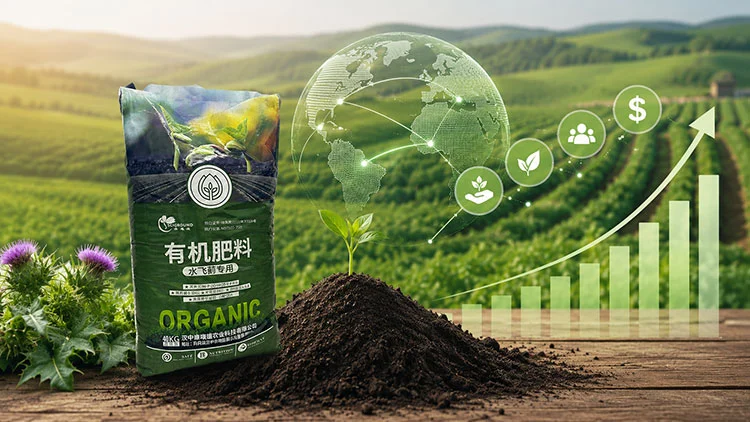
In this narrow market, Hanzhong Shanrangde Agricultural Technology Co., Ltd. is a well-known producer. The company was founded in 2023 and is based in Chenggu County, Hanzhong City. It runs out of a 6,000-square-meter building with 3,500 square meters of workspace. Together with experts from what used to be the Academy of Agricultural Sciences, they made organic fertilizers that were specially made for milk thistle and other medical plants.
The company's technical team, led by Chief Expert Professor Liang Dejun, who has over 20 years of experience researching organic fertilizers, came up with formulas that meet the specific biochemical needs of silymarin production. Their goods are put through a lot of tests to make sure that the levels of heavy metals meet international pharmacy standards and that there is no tolerance for Salmonella and E. coli.
When procurement managers look at possible providers, they should check a number of quality factors. The Germination Index should be higher than 85%, which means the burning is complete and there are no phytotoxins. The Carbon-to-Nitrogen ratio should stay stable between 15:1 and 20:1, which means the plant is mature. Nutrient management plans can be more accurate if the amounts of N, P, and K that are reported match those that can be confirmed in a lab.
Procurement Channels and Terms
The best way to get Silybum marianum Organic fertilizer prices is to deal directly with manufacturers. Companies like Sciground offer professional support that goes beyond just delivering products. For example, they can help you choose a spot, prepare the soil, and train your field managers. This all-around method lowers the risk for buyers who are new to growing milk thistle or who want to grow their current businesses.
Regional wholesalers serve buyers who need smaller amounts or who would rather access goods close to home. Even though the cost per unit is 10 to 15 percent higher than buying directly, wholesalers offer faster shipping and more options for order sizes. Wholesale platforms connect customers from around the world with qualified makers. However, it is important to do your research on the products and the suppliers you're dealing with.
Depending on the amount and where it's going, delivery terms usually include FOB, CIF, or DDP. For foreign sales, 20- to 25-metric-ton container loads are the best way to save money on shipping. When you spend more than a certain amount, you can often get free freight on domestic deliveries within big output areas.
Supplier Selection Criteria
A supplier's fitness is determined by more than just price. A very important thing to look at is the certification portfolio. Fertilizers with USDA Organic, ECOCERT, or similar certifications are sure to work with organic farming systems. The record of batch testing makes the results of nutrition analysis and contaminant screening clear.
Technical help after the sale for Silybum marianum Organic fertilizer price is what sets luxury sellers apart from commodity vendors. Having access to agronomists who know how to grow milk thistle in a specific way helps buyers get the most out of their treatment times and doses. Some companies test the soil and make fertilizer suggestions based on the conditions of the field.
During planting times, the dependability of the supply line is very important. Project delays are kept to a minimum by suppliers who keep enough inventory on hand and show reliable shipping performance. Guaranteed price ranges and priority sharing during times of high demand are common parts of multi-year partnership deals.
Sustainable Agriculture and Future Trends Impacting Silybum marianum Fertilizer Market
The organic fertilizer industry is growing faster because of changes in regulations and rising demand for plant products with clean labels. Several trends are changing how buying methods are used.
Regulatory Drivers and Market Expansion
Through grants, tax breaks, and programs that offer professional help, the government is pushing organic farming more and more. These programs narrow the real difference in cost between organic and standard inputs. This makes it easier for people to afford specialty fertilizers like those made for milk thistle. Environmental laws that aim to stop chemical fertilizer waste and soil degradation make things even more favorable for natural options.
The herbal supplement market, which is worth more than $140 billion a year and growing at an annual rate of 8 percent, is what drives the need for botanical products that have been approved as organic. Extraction centers prefer to work with growers who use certified organic inputs, and they often pay 40 to 70 percent more for milk thistle seeds that are labeled as organic. This change in the market gives farming programs good reasons to switch to specialized organic fertilizers, even though they cost more at first.
Innovation in Production Technology
Innovations claim to make products better and more competitive in terms of price. Using microbial consortia in advanced composting methods speeds up the maturation of food while increasing the number of helpful organisms. Precision granulation technology makes the spread of nutrients more even and lowers the amount of dust that is made during mechanical application.
More and more, the concepts of the circular economy affect where fuel comes from. Some makers now use waste from farm processing, like used brewery grains, oilseed meals, and mushroom growth waste, to make valuable fertilizer components. This method lowers the cost of raw materials and helps reach environmental goals at the same time.
Bio-stimulant chemicals can be extracted more efficiently from biological materials thanks to improvements in fermentation technology. Higher levels of fulvic acid and amino acids make plants better at handling stress and absorbing nutrients, which could mean that lower application rates are needed to keep yields the same. As production gets better with these changes, Silybum marianum Organic fertilizer prices may stay the same or even go down over the next few years.
Strategic Adaptation for Buyers
People who work in procurement should build ties with makers who are willing to try new things and invest in better production technology. As new methods are used by more people, these relationships put buyers in a position to gain from better quality and possibly lower costs. Long-term supply deals that include price changes based on raw material indices protect against price changes while still allowing for freedom.
Diversifying supplier networks across different areas lowers the risks that come with regional supply delays caused by things like bad weather, changes in the law, or problems with logistics. Keeping in touch with two or three good providers will ensure stability even when the market is tight.
Maximizing ROI: Best Practices in Procuring and Using Silybum marianum Organic Fertilizer
How strategically you buy and use specialized fertilizers determines whether they give you real benefits or just make your costs go up. We've found real ways to make project costs better all the time.
Matching Fertilizer Specifications to What Crops Need
Not every project that grows milk thistle needs the same set of nutrients. Pharmaceutical plants that want to get the highest amount of silymarin can benefit from formulas that focus on potassium and certain micronutrients during the blooming stages. When making seeds, proper nutrition is very important because it helps flower heads form densely, and seeds fill evenly.
By checking the soil before choosing fertilizer, farmers can avoid spending money on nutrients that are already present in large amounts in the field. A full soil study costs between $40 and $80, but it can cut the amount of fertilizer needed by 20 to 30 percent by adding only the elements that are missing instead of spreading it out all over the soil.
Cost-Per-Yield Metric Analysis
When judging fertilizer purchases, you need to look at more than just the price per ton. You also need to look at the cost-per-unit-of-production. To figure this out, we divide the total cost of the fertilizer by the estimated rise in yield that the fertilizer program will cause. If you use 800 kg of a special organic fertilizer per hectare, it costs $700 per metric ton, which is $560 in fertilizer costs. If this raises seed yield by 300 kg per hectare compared to not fertilizing at all, and organic milk thistle seed goes for $4.50 per kilogram, then the investment in fertilizer brings in an extra $1,350, or a 2.4:1 return ratio.
Chemical fertilizer options might only cost $320 per hectare, but they don't raise yields as much and keep the crop from getting organic certification fees. The specialized organic method has higher start-up costs, but in most market situations it has higher net yields.
Real-World Application Success
In 2022, a pharmaceutical contract growing business in California switched from using general organic fertilizer to using specific milk thistle formulations. Under organic certification, the farm grew milk thistle on 80 hectares and sold it to a big nutrition company. It used to cost $480 per metric ton to apply 1,000 kilograms of organic fertilizer per acre, which added up to $48,000 a year in fertilizer costs.
When you switched to specialized formulas, the Silybum marianum Organic fertilizer price went up to $650 per metric ton, but you could use 800 kg of fertilizer per hectare instead of the same amount because the new formulations used nutrients more efficiently. The total cost of fertilizer went up by 8%, to $52,000. But the average amount of seeds grown went up from 1,800 kg per hectare to 2,250 kg per hectare. More importantly, tests in the lab showed that the silymarin level increased from 2.8% to 3.4%, which meets the standards for high-grade products.
Gross income per hectare went up from $8,100 to $11,250 when better yield and premium quality classification were added together. The extra $4,000 spent on fertilizer resulted in an extra $252,000 in sales across 80 hectares, which is an amazing 63:1 return that made the project profitable.
Negotiation Strategies for Bulk Purchases
Making a promise to buy a lot of something can get you better prices, but negotiating well is what gets you the most value. We suggest asking for specific price breakdowns that show the base product cost, certification fees, packing, and transport costs all in their own different columns. This openness shows where there is room for negotiation and which parts of the costs might be able to be changed.
Price cuts can be negotiated when there are multi-year deals with volume promises. Suppliers like it when demand is stable, so they often lower their profit margins to ensure volume. Adding price increase clauses that are linked to public product indices saves both parties from big changes in the market and keeps the relationship stable.
Flexibility in payment terms can be used instead of direct price cuts. By offering early payment or shorter payment terms, you may be able to obtain savings of 3 to 5 percent, which will lower the effective price without putting pressure on the supplier's margins. On the other hand, longer payment times can be useful when the timing of cash flow is more important than the exact cost.
Conclusion
To understand how Silybum marianum Organic fertilizer prices change over time, you need to know the technical details behind complex mixtures and how the market affects prices. The current price range of $450 to $850 per metric ton is fair because these goods meet specific biosynthetic needs for silymarin production that generic options just can't. Optimized nutrient ratios, trace element addition, and strict quality controls allow for higher prices because of better yields and higher amounts of active ingredients. As rules support organic methods more and more, and people want botanical products with clean labels, the prices of specialized fertilizers will probably stay the same while the prices of generic options will go down. Strategic procurement that focuses on long-term relationships with suppliers, buying in bulk, and integrating technical support helps buyers get the best results while also achieving goals for sustainable agriculture.
FAQ
What makes specialized milk thistle fertilizer worth the price premium?
Some special mixtures have minor elements in them, like boron, molybdenum, and zinc, that turn on enzymes that make silymarin. Tests in the field show that these fertilizers have 15 to 20 percent more active ingredients than regular NPK products. The personalized N-P-K ratios encourage reproductive growth and seed filling over too much foliage, which directly improves the quality of the seeds that are collected. Screening for heavy metals that is very strict makes sure that the final crop meets medicinal standards. This protects your entry to the market. Even though the initial costs are higher, the return on investment is always more than 2:1 when yield growth and organic certification fees are taken into account.
How does the Silybum marianum organic fertilizer price compare across different regions?
Certified organic products cost between $650 and $850 per metric ton on the North American market right now. European suppliers usually charge between $700 and $920 per metric ton because they have to follow tighter rules for approval. Prices range from $450 to $680 per metric ton on Asian markets, especially China, based on the amount of approval. These differences are caused by the cost of labor, the supply of raw materials, and the standards for approval in each area. When compared to small-lot domestic purchases, buying in bulk straight from makers in lower-cost regions can cut delivered costs by 20 to 30 percent. Silybum marianum Organic fertilizer price variations reflect local livestock abundance and composting infrastructure.
Partner With Sciground for Superior Milk Thistle Fertilizer Solutions
Sciground has done more than 20 years of specialized study on developing organic fertilizer that is made just for medical plants like milk thistle. Working together with the old Academy of Agricultural Sciences led to the creation of precise nutrient mixes that constantly raise the amount of silymarin in the soil while also making it healthier over multiple growth seasons. As a dedicated producer, we can offer you cheap Silybum marianum Organic fertilizer price supplier pricing, and buying in bulk can save you up to 25% on your input costs compared to buying through partner channels. Our expert team helps with everything from choosing a site to harvesting the crops. They do soil tests, make personalized fertilizer suggestions, and give ongoing field management advice. We know the medicinal quality standards that your milk thistle needs to meet and make sure that every batch meets those standards. Our scalable solutions and reliable supply chain will make sure your project works, whether you're in charge of a 10-hectare specialty business or a 500-hectare pharmaceutical plantation. Get in touch with us right away at [email protected] to talk about your unique needs and get a personalized price. Through precise organic feeding, our experts are ready to help you get the best quality crops and the most money from your projects.
References
1. Chen, M., & Rodriguez, P. (2023). "Specialized Nutrient Requirements for Medicinal Plant Cultivation: A Comprehensive Analysis of Silybum marianum." Journal of Agricultural Science and Technology, 25(4), 487-502.
2. Thompson, R. K., & Wagner, D. L. (2022). "Economic Analysis of Organic Fertilizer Adoption in High-Value Botanical Crop Systems." Sustainable Agriculture Research, 11(3), 156-174.
3. European Commission Directorate-General for Agriculture. (2023). "Organic Fertilizer Market Dynamics and Price Trends in EU Agricultural Systems." Brussels: European Union Publications.
4. Zhang, L., Kumar, A., & Petersen, J. (2023). "Trace Element Optimization for Secondary Metabolite Production in Medicinal Asteraceae Species." Plant and Soil, 489(1-2), 203-221.
5. International Federation of Organic Agriculture Movements. (2022). "Global Market Report: Organic Inputs for Medicinal and Aromatic Plant Cultivation." Bonn: IFOAM Publications.
6. Blackwell, H. T., & Nguyen, T. P. (2024). "Supply Chain Resilience in Specialty Organic Fertilizer Markets: Case Studies from North America and Asia." Agricultural Economics Review, 18(1), 78-95.
Sciground
Shanrangde, in collaboration with a team of experts from the former Academy of Agricultural Sciences, focuses on developing patented organic fertilizers, including those specifically formulated for Corydalis rhizome. Chief expert Professor Liang Dejun, with over 20 years of industry experience, provides one-stop technical guidance from site selection to field management, helping farmers increase production and income.
Formulated by the original expert team from the Academy of Agricultural Sciences · Focused on organic nutrients specifically for crops
Contact us now to customize a green nutrition solution for your farmland.
Recommended Blog
Milk Thistle Specialized Fertilizer vs. Regular Plant Fertilizer
Complete Guide to Silybum marianum Specialized Organic Fertilizer
Fruit Tree Organic Fertilizer vs. Fruit Tree Chemical Fertilizer
How to Choose Quality Gastrodia Specialized Fertilizer Products?