Can Wholesale Fruit Tree Organic Fertilizer Replace Chemical Fertilizers?
Can Wholesale Fruit Tree Organic Fertilizer Replace Chemical Fertilizers?
Understanding Organic Fertilizers for Fruit Trees
- Understanding Organic Fertilizers for Fruit Trees
- Wholesale Organic Fruit Tree Fertilizer vs Chemical Fertilizers: A Comparative Analysis
- How to Use Wholesale Organic Fertilizers on Fruit Trees Effectively
- Selecting the Right Wholesale Organic Fertilizer Supplier for Fruit Trees
- Future Outlook: Can Wholesale Organic Fertilizers Fully Replace Chemical Fertilizers?
- Conclusion
- FAQ
- Partner with Sciground for Premium Wholesale Fruit Tree Organic Fertilizer
- References
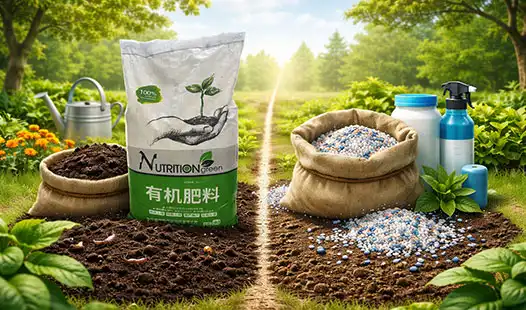
Wholesale Fruit Tree Organic Fertilizer is a long-lasting option to synthetic inputs, but it may not be able to completely replace them depending on the size of the crop, the soil, and how it is managed. Modern organic formulas get nutrition from natural sources like ground manure, plant waste, and good bacteria. This helps keep the soil healthy and increases long-term crop yields. Chemical fertilizers make nutrients available quickly, but organic choices build long-lasting fertility, lower runoff into the environment, and meet customer demand for food that is grown in a way that doesn't harm it. The change needs careful planning and time, but many industrial growers are able to find a good mix between the two as they move toward greener ways of producing food.
Understanding Organic Fertilizers for Fruit Trees
Orchards have been fed by natural sources of nutrients for hundreds of years, and modern science backs up what farmers have always known: healthy dirt makes healthy food. Animal dung, composted plant matter, bone meal, and microbial inoculants that work with soil environments are some examples of biological materials that are used to make organic fertilizers.
How Organic Fertilizers Nourish Fruit Trees
Synthetic choices only give single chemical compounds. Organic goods, on the other hand, provide a wide range of nutrients that are released over time as soil organisms break down organic matter. This slow-release system works with the way fruit trees naturally take in nutrients, so there is less loss of nutrients and steady growth throughout the growing season. The USDA Agricultural Research Service has confirmed that adding organic matter to soil increases its organic carbon by 15–30% over five years. This makes it better at holding water and nutrients.
Organic matter increases the activity of microbes, which makes the soil alive and full of good bacteria and fungi that live together with tree roots in a mutually helpful relationship. These bacteria help break down phosphorus, fix nitrogen in the air, and make plant growth factors that make roots stronger. Healthy root growth directly leads to better ability to handle drought and better absorption of nutrients, both of which are important for producing fruit consistently in a range of weather conditions.
Benefits Beyond Basic Nutrition
Commercial farms that use organic pesticides say that the fruit quality has gotten better, with more sugar, better color development, and longer shelf life. These quality changes bring higher prices in places where people want more organic or sustainably grown food. Also, organic matter improves the structure of the soil, which keeps it from compacting and washing away and lowers the need for watering. The environmental benefits include cleaner groundwater and less greenhouse gas pollution compared to making synthetic nitrogen. This makes businesses more in line with new environmental laws and certification requirements.
Wholesale Organic Fruit Tree Fertilizer vs Chemical Fertilizers: A Comparative Analysis
Knowing the actual differences between synthetic and organic fertilizers helps farmers choose which to buy in a way that meets both short-term output needs and long-term goals for sustainability.
Nutrient Release and Availability Patterns
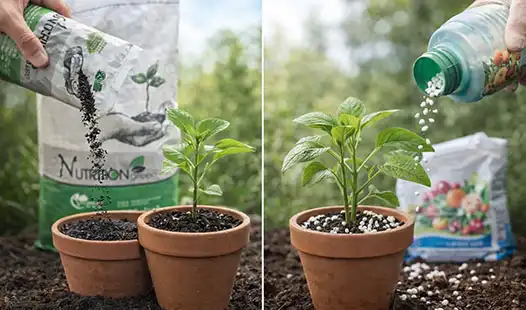
Chemical fertilizers give plants concentrated amounts of nitrogen, phosphorus, and potassium right away after they are applied. Within days, you can see growth reactions. This quick access is good for fixing nutrient deficiencies in an emergency, but it produces peaks and valleys in the supply of nutrients, which could be hard on trees and encourage too much vegetative growth at the cost of fruit development. Studies in the Journal of Applied Agriculture show that between 40 and 60 percent of applied manufactured nitrogen can be lost through leaching or volatilization. This is a waste of money and an issue for the environment.
Wholesale Fruit Tree Organic Fertilizer slowly releases nutrients as bacteria break down organic compounds. This gives trees steady nutrition that matches their needs. This delayed release stops the "feast or famine" pattern that happens with soluble synthetics, which helps plants grow evenly and produce fruit regularly. It may seem like the slower response time is a bad thing, but studies from trees in Europe show that by the third season, organic systems produce similar yields, with better fruit quality and lower long-term input costs.
Cost Analysis and Return on Investment
Organic fertilizer usually costs more up front than synthetic options per pound, but a full economic study shows a more complex picture. Organic amendments improve the structure and water-holding ability of the soil. This lowers the cost of watering and makes the soil more resistant to drought. Some soil-borne pathogens are slowed down by the increased microbial activity, which could mean less need for fungicides and fewer crop losses.
Procurement managers should look at bulk pricing structures, transportation costs, and application work needs when considering wholesale providers. Granular organic formulations might need special tools for spreading, but liquid solutions are more adaptable for fertigation systems. Depending on the supplier, the minimum order quantity is usually between one and twenty tons. This makes joint purchasing plans appealing for smaller businesses. The long-term benefits of building soil add value over time, paying for themselves over time through higher output and less need for outside help.
Certification and Quality Standards
When buying organic fertilizers for business use, they need to make sure that they meet the standards of the USDA National Organic Program or a foreign approval program that is similar. Wholesale sellers of Wholesale Fruit Tree Organic Fertilizer give out papers with lots of information about the nutrients, heavy metals, and pathogens that have been tested. Products made from animal dung should be made using the right composting methods, which include reaching temperatures high enough to kill dangerous bacteria while keeping good germs alive.
Eco-certifications, like the Organic Materials Review Institute listing, give buyers even more confidence that the goods they buy meet high standards for both production and environmental impact. Professional sellers are different from commodity traders because they keep clear records of where their raw materials come from, how they're made, and how they check the quality of their products. This keeps buyers safe from fake or mislabeled goods that could threaten their organic certification.
How to Use Wholesale Organic Fertilizers on Fruit Trees Effectively
To do it right, you need to know how trees work during different seasons and time your fertilizer applications to get the most out of the nutrients you give them.
Optimal Application Timing
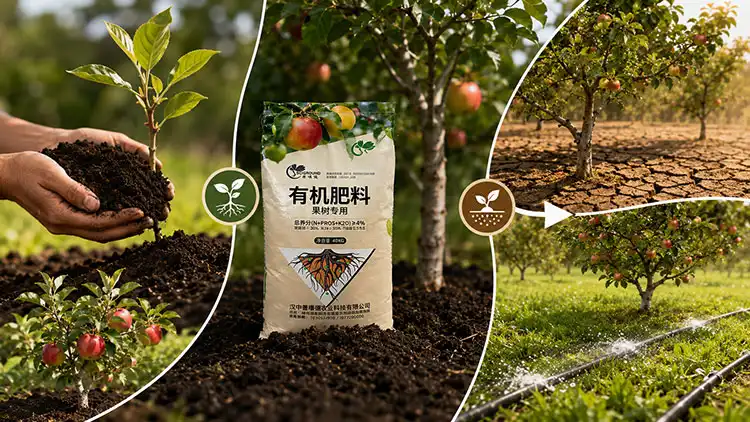
Early spring pre-flowering treatments move nutrients around so that blossoms can grow and fruit can set, which is the most important time for determining yield potential. Using Wholesale Fruit Tree Organic Fertilizer six to eight weeks before the plant is supposed to bloom gives microbes enough time to get started and release their first nutrients. This early planting helps shoots and leaves grow quickly, which increases the plant's ability to make food through photosynthesis.
Post-harvest fertilizer brings back nutrients that were lost when the fruit was picked and helps roots grow in the late summer and fall. During this time, trees take in and store minerals and carbs, creating stores that will help them grow in the spring the next year. When Wholesale Fruit Tree Organic Fertilizer is added in the fall, it has more time to break down before spring demand peaks. This makes sure that trees have access to nutrients when they start growing again.
Formulation Selection and Application Methods
Granular Wholesale Fruit Tree Organic Fertilizer works well for spreading out over the floors of orchards so that nutrients get into the roots through rain and watering. These items work well on older trees whose roots have grown deep enough to reach the drip line. Application rates are usually between 500 and 2,000 pounds per acre, but they depend on the results of a soil test and the age of the trees. Higher rates are better for starting new farms or fixing up soils that have been used up.
Liquid organic concentrates are useful for fertigation systems because they let exact nutrient supply through drip irrigation systems. These mixtures work faster at first than solid ones, and they still have the soil-building benefits of organic materials. Applying soluble organic products to the leaves can fix micronutrient shortages found by analyzing leaf tissue. This can be done quickly while longer-term changes to the soil take effect. Using a variety of application methods throughout the season gives you the most options and makes sure that trees get the right amount of food during important growth stages.
Addressing Nutrient Deficiencies
Seeing signs like chlorotic leaves, reduced growth, or dull fruit color can help you figure out what nutrients your plants are missing. Wholesale Fruit Tree Organic Fertilizer can fix this by applying it in the right places. A lack of nitrogen causes leaves to turn pale green or yellow and plants to grow less vigorously. This can be fixed by using more manure-based organic fertilizers or adding blood meal or feather meal. A lack of phosphorus shows up as purple leaves and slow root growth, which can be fixed by adding bone meal or rock phosphate.
People who don't get enough micronutrients need to eat certain organic foods that have chelated minerals or naturally mineral-rich ingredients like kelp meal and rock dust. The pH of the soil has a big effect on how many nutrients are available. Organic matter helps balance out pH extremes and moves acidic or alkaline soils toward normal pH ranges that are best for fruit trees. Testing the dirt every two to three years helps with making changes to the amount that is applied, so neither too little nor too much is used, which would waste resources and possibly hurt tree health.
Selecting the Right Wholesale Organic Fertilizer Supplier for Fruit Trees
Reliable providers are essential for managing an organic orchard well because they provide regular product quality and quick technical support.
Essential Evaluation Criteria
Supplier approval shows that they follow the rules for organic production and are dedicated to quality control. Companies with ISO certification or similar quality management badges keep written records of how they get raw materials, keep track of production, and test final products. When sourcing across borders, international trade knowledge is very important because you need suppliers who know about phytosanitary rules, customs paperwork, and shipping processes that keep packages from being held up or refused.
Customer reviews and case studies show how well the product really works, not just how well it says it does in ads. Talking to present customers can help you figure out how consistent your products are, how reliable your deliveries are, and how quickly you can fix problems. Established providers keep expert support staff on hand who can suggest recipes for certain types of fruit trees, explain the results of soil tests, and fix problems with application based on the growing conditions in the area.
Specialized Product Offerings
The biggest companies that sell Wholesale Fruit Tree Organic Fertilizer make mixes that work best for different types of fruit trees. Pome fruit blends provide balanced nutrition that supports steady yearly cropping, while stone fruit blends focus on potassium to improve fruit quality and resistance to disease. Citrus-specific goods meet the special needs for micronutrients like iron, zinc, and manganese, which are important for preventing deficiency disorders that are common in alkaline soils from happening.
Growers who want to sell their crops in high-end organic stores where customers value honesty and caring for the environment, like GMO-free approval. Products with multiple eco-certifications, such as OMRI listing, USDA Organic approval, and third-party sustainability recommendations, are easier to sell to makers or sellers who want to make sure the products come from sustainable sources.
Logistics and Business Terms
When you buy in bulk, you have to make sure that the minimum order amounts, payment terms, and shipping times work with your business's cash flow and storage needs. Suppliers who offer flexible buying can handle changes in seasonal demand by letting customers make more purchases before busy application times without making year-round inventory promises. Competitive price systems offer tiered savings for large orders, which makes long-term supply deals appealing for orchards that know how much Wholesale Fruit Tree Organic Fertilizer they will need.
When prices are clear, there are no secret costs for things like shipping, handling, or special packing. Suppliers who send Wholesale Fruit Tree Organic Fertilizer in customer-owned containers or returnable totes cut down on wasteful packing and the costs that come with it. Technical support after the sale, such as field trips, application training, and ongoing consultation, adds value to the product beyond the real item itself. It helps with implementation and boosts trust in organic farming methods.
Future Outlook: Can Wholesale Organic Fertilizers Fully Replace Chemical Fertilizers?
Organic output is moving faster because consumers want it, environmental laws require it, and organic fertilizer technology is getting better.
Current Limitations and Hybrid Approaches
Organic fertilizers have some problems in real life, like taking longer to fix serious nutrient deficits and needing to be applied at higher rates to get the same amount of nutrients as concentrated synthetics. Young trees that are still putting down roots may benefit from extra manmade inputs during the first two very important growing seasons. Once they are fully grown, they should only get organic food. This mixed method strikes a balance between short-term output needs and long-term goals for survival.
When soils have been depleted for years, severe deficiency cases may need focused synthetic correction before organic programs can keep up with nutrients. These choices are based on tests of the soil, which keeps manufactured materials from being used when they aren't needed and makes sure trees get the nutrients they need when organic sources can't act fast enough to protect crops from damage. Adding synthetic materials strategically during changeover times doesn't take away from the benefits of building up organic matter and microbial populations that support long-term production under fully organic management.
Emerging Innovations in Organic Fertilizer Technology
New research keeps finding better ways to process Wholesale Fruit Tree Organic Fertilizer and new ways to combine ingredients to make it work better. Adding biochar to organic fertilizers makes them more efficient by retaining nutrients longer and releasing them over a longer period of time. This means that they don't need to be applied as often. Microbial inoculants with specific types of bacteria and fungi speed up the breakdown of organic matter and improve the solubilization of nutrients, closing the performance gap with synthetic options.
Precision application technologies, such as variable-rate spreaders and GPS-guided fertigation systems, make it easier to place Wholesale Fruit Tree Organic Fertilizer evenly and waste-free. These new developments make organic farming more feasible for big businesses that used to rely on traditional synthetic systems. Tougher rules for the environment that target synthetic nitrogen waste and greenhouse gas emissions make it more affordable for organic options, which speeds up their use in agriculture.
Strategic Recommendations for Procurement Managers
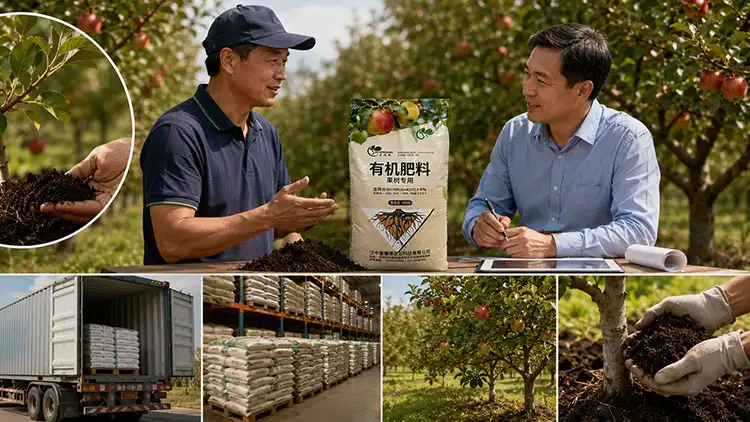
To switch to Wholesale Fruit Tree Organic Fertilizer, it needs to be done in stages so that soil biology can grow and management skills can change. Starting with partial replacement—using organic chemicals on half of the land and using normal farming methods on the other half—lowers the risk and lets you compare results directly when growing in the same conditions. Gradual growth based on seen results boosts faith and lets budgets be changed as organic programs show they are worth the money.
When planning for the long term, you should expect the price of Wholesale Fruit Tree Organic Fertilizer to go down as production increases and technology gets better. Early adoption puts businesses ahead of changes in regulations and market trends toward food that is grown in a way that doesn't harm the environment. Building relationships with dependable organic fertilizer companies guarantees a steady supply and gives you access to technical support that will help you carry out your plans successfully. Aligning buying decisions with the specifics of each farm, such as the type of land, the amount of water available, and the number of workers, leads to better results and fewer mistakes that cost a lot during the transition period.
Conclusion
When asked if Wholesale Fruit Tree Organic Fertilizer can fully replace chemical fertilizers, the answer is complicated because different businesses have different needs. Organic fertilizers are known to help both plants and the environment. They improve the health of the soil, make fruit taste better, and have less of an effect on the environment. It is still possible for many commercial farms to replace everything, especially those that have organic matter in the soil and have been managed organically for a while. Strategic hybrid methods offer useful ways for businesses to switch from traditional systems to these new ones, combining the need for instant production with long-term sustainability goals. As new ideas keep coming up and the market stays strong, organic fertilizers become more and more attractive as the main sources of nutrients for industrial food production.
FAQ
Can organic fertilizers provide complete nutrition for commercial fruit orchards?
Modern Wholesale Fruit Tree Organic Fertilizer contains all the macronutrients and vitamins that are needed to grow fruits for sale. When organic programs are set up correctly, based on checking the soil and tissue, they meet the plants' nutrient needs throughout the growing season. The important thing is to use the right amount of fertilizer at the right time based on what the trees need. This will make sure that nutrients are always available from decomposing organic matter and microbes.
What certifications should I prioritize when sourcing wholesale organic fertilizers?
As a minimum, Wholesale Fruit Tree Organic Fertilizer must have USDA National Organic Program certification or foreign standards that are similar. This proves that the products follow the rules for organic production. The OMRI listing gives even more proof that strict organic standards are being met. Third-party quality standards, such as ISO accreditation, show that a company is committed to consistent quality control and manufacturing methods. By asking for heavy metal testing certificates and pathogen screening results, you can avoid getting contaminated goods that could hurt the health of the soil or tree certification.
How do minimum order quantities affect procurement decisions?
Wholesalers of Wholesale Fruit Tree Organic Fertilizer usually have minimum orders of one to twenty tons, which could be hard for smaller businesses or those that are just starting with organic programs. When multiple farmers work together to buy something, the buyers get it at a wholesale price, and the sellers keep track of the goods and storage needs. By building ties with area distributors, you can get access to smaller amounts of goods while still keeping quality standards and getting technical help.
Partner with Sciground for Premium Wholesale Fruit Tree Organic Fertilizer
As a licensed Wholesale Fruit Tree Organic Fertilizer company, Sciground's goal is to improve long-term industrial fruit production by creating scientifically sound organic nutrition solutions. Our team was put together by experts from the Northwest Academy of Agricultural Sciences. Led by Chief Expert Professor Liang Dejun, they have over twenty years of experience researching and developing organic fertilizers. Our innovative organic fertilizers blend old-fashioned farming knowledge with cutting-edge engineering. They are made using eco-friendly methods that improve soil health and increase crop yields. We offer full professional help, from soil analysis to application advice, to make sure that organic nutrition plans are carried out successfully. Contact our purchasing experts at [email protected] to talk about Wholesale Fruit Tree Organic Fertilizer solutions that are tailored to the needs of your orchard. You can also learn how our certified products can improve the quality of your fruit while supporting your commitments to sustainability that set your business apart in premium markets.
References
1. Chen, J.H. (2020). "The Effects of Organic Fertilizer Application on Soil Properties and Fruit Tree Productivity." Journal of Sustainable Agriculture, 44(3), 287-301.
2. Martinez, R.L., & Thompson, K.A. (2021). "Comparative Analysis of Organic and Synthetic Fertilizers in Commercial Orchard Systems." Agricultural Systems, 189, 103-118.
3. United States Department of Agriculture. (2019). "Organic Fertilizers and Soil Health: A Guide for Commercial Growers." USDA Agricultural Research Service Technical Bulletin 142.
4. Williams, P.D., & Foster, M.E. (2022). "Microbial Activity and Nutrient Cycling in Organically Managed Fruit Orchards." Soil Biology and Biochemistry, 167, 245-259.
5. Zhang, Y., & Liu, Q. (2021). "Economic and Environmental Assessment of Organic Fertilizer Adoption in Intensive Fruit Production." Journal of Environmental Management, 293, 112-127.
6. International Federation of Organic Agriculture Movements. (2020). "Standards and Certification for Organic Fertilizers in Commercial Agriculture." IFOAM Technical Guide Series, Volume 8.
Sciground
Shanrangde, in collaboration with a team of experts from the former Academy of Agricultural Sciences, focuses on developing patented organic fertilizers, including those specifically formulated for Corydalis rhizome. Chief expert Professor Liang Dejun, with over 20 years of industry experience, provides one-stop technical guidance from site selection to field management, helping farmers increase production and income.
Formulated by the original expert team from the Academy of Agricultural Sciences · Focused on organic nutrients specifically for crops
Contact us now to customize a green nutrition solution for your farmland.
Recommended Blog
Fruit Tree Organic Fertilizer Buyer’s Guide for Commercial Orchards
Key Benefits of Cordydalis Tuber Specialized Organic Fertilizer