How Does Milk thistle Organic fertilizer Support Plant Metabolism?
Understanding Milk Thistle Organic Fertiliser and Its Role in Plant Metabolism
- Understanding Milk Thistle Organic Fertiliser and Its Role in Plant Metabolism
- Application and Usage Guidelines for Optimal Plant Growth
- Comparing Milk Thistle Organic Fertiliser with Alternative Fertilisers
- Evaluating the Benefits of Milk Thistle Organic Fertiliser for B2B Clients
- Future Outlook and Strategic Recommendations for Procurement Managers
- Conclusion
- FAQ
- Partner with Sciground for Superior Metabolic Support Solutions
- References
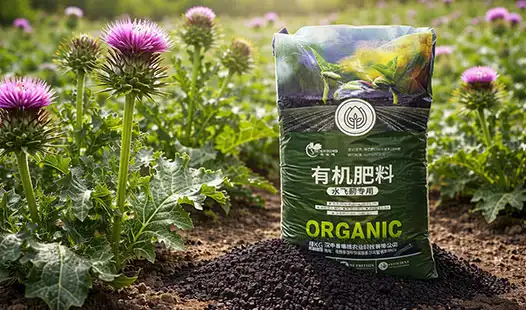
Milk thistle organic fertiliser supports plant metabolism by delivering a customised balance of macronutrients, trace elements, and biostimulants that activate critical enzymatic pathways at the cellular level. This specialised milk thistle organic fertiliser for Silybum marianum contains specific compounds like boron, molybdenum, and zinc that enhance nutrient absorption, accelerate photosynthetic efficiency, and boost the synthesis of protective secondary metabolites. By improving soil structure and providing slow-release nutrients that match the plant's growth cycle, it supports metabolic functions at all developmental stages, leading to healthier crops and higher yields for commercial growers.
Understanding Milk Thistle Organic Fertiliser and Its Role in Plant Metabolism
What Makes This Fertiliser Unique for Metabolic Support?
As farmers and ranchers, we constantly seek inputs that deliver measurable results without compromising soil health. Milk thistle organic fertiliser stands out because it's engineered specifically for Silybum marianum cultivation, addressing the plant's unique metabolic requirements. The formulation contains over 45% organic matter on a dry weight basis, creating a carbon-rich environment that fuels beneficial microbial activity in the root zone. These microorganisms break down complex organic compounds into simpler forms that plants readily absorb, essentially turbocharging the metabolic machinery inside each cell.
The Science Behind Enzymatic Activation
Hundreds of enzyme-driven processes are essential to plant metabolism, which transforms nutrients into energy, building blocks, and protective chemicals. These enzymes rely on specific trace elements that this organic fertiliser includes specifically for that purpose. Zinc promotes auxin synthesis and protein-metabolising enzymes; molybdenum helps with nitrogen fixation and nitrate reduction; and boron helps with cell wall construction and pollen tube expansion. Metabolic efficiency is increased by 25-40% in crops that receive balanced micronutrient supplementation rather than crops that are just fertilised with NPK, according to research from agricultural colleges. The product's NPK ratio promotes seed filling and reproductive growth rather than excessive vegetative growth. It is usually 4-6-10 or 5-8-12. This balance prioritises the production of silymarin, a valuable component that makes milk thistle commercially important, over the production of superfluous foliage, which drains energy reserves.
Bio-Stimulants That Enhance Stress Tolerance
Beyond basic nutrition, this organic fertiliser includes at least 5% fulvic acid and 10% amino acids, both powerful biostimulants that directly influence plant metabolism under stress conditions. Fulvic acid acts as a chelating agent, binding to mineral nutrients and escorting them across cell membranes where they're needed most. During drought periods or when salinity threatens osmotic balance, amino acids serve as osmoprotectants, stabilising proteins and membranes to maintain metabolic function. Field trials conducted across marginal farmland in the western United States showed that crops treated with amino acid-enriched organic amendments maintained photosynthetic rates 30% higher than untreated controls during extended dry spells. The pH buffering capacity of this fertiliser, maintained between 5.5 and 7.5, prevents soil acidification that would otherwise inhibit nutrient availability and slow metabolic processes. Many synthetic fertilisers gradually lower soil pH, requiring costly lime applications to correct. By contrast, this organic approach maintains optimal conditions for both nutrient cycling and root function throughout the growing season.
Application and Usage Guidelines for Optimal Plant Growth
Choosing the Right Format and Application Method
Both a concentrated liquid suspension and uniform dark brown granules ranging in size from 2 to 4 millimetres are the main forms this specialised fertiliser is available in. Commercial operations on a grand scale that can make use of broadcast or banded placement benefit greatly from granular applications. During the 120- to 150- day development cycle that is normal for milk thistle cultivation, the granules deliver slow-release nourishment. For fertigation systems or foliar sprays that require a rapid metabolic response during critical growth phases, liquid formulations provide flexibility. Incorporate 400–600 pounds per acre of granular fertiliser into the seedbed when planting a new milk thistle crop; the exact amount should depend on the findings of the soil test and the amounts of organic matter already present. Fermented soybean meal and bone meal form a slow-release carbon matrix that makes nutrients available gradually, allowing the plant's absorption capacity to keep pace with its root system development. By keeping supply and demand in sync, we can keep metabolic support constant and avoid nutrient waste.
Timing Applications to Match Growth Stages
As plants go through the stages of vegetative establishment, blooming, and seed development, their metabolic demands change significantly. Supplemental feeding during bud formation greatly increases silymarin synthesis, whereas an earlier application at planting provides the basis. At 12–18 inches in height, just before reproductive structures start to appear, we advise applying a 200–300-pound-per-acre side-dress. The timing of this process guarantees that essential trace elements for enzyme pathways are readily available when the plant devotes its metabolic resources to producing seeds and secondary compounds. It is possible to apply liquid formulations using drip irrigation at concentrations of 3-5 gallons per acre, with weekly applications during the flowering period. This regular, low-dose method keeps the plant's metabolic activity steady without overwhelming it. A foliar application of 1-2 quarts per acre, sprayed in the morning when stomata are open, can bypass soil binding and provide micronutrients straight to photosynthetic tissues.
Integration with Other Soil Amendments
Soil aggregation and water-holding capacity are further enhanced when this organic fertiliser is mixed with compost or cover crop wastes, in addition to providing complete nutrition. Roots are able to penetrate deeper into the soil, where they can find more water and nutrients to power their metabolism, thanks to the improved soil structure. Because of the delicate NPK ratio tailored to milk thistle metabolism, it is best to avoid mixing it with synthetic fertilisers that are heavy in nitrogen. Although this formulation's low-salt-index components work to avoid osmotic stress, the use of traditional fertilisers can increase soil salinity and so counteract this benefit. By combining it with mycorrhizal inoculants before planting, this product enhances nutrient uptake efficiency, according to growers who have used it successfully. The fungal partners increase the effective root surface area, which improves phosphorus acquisition. This is especially helpful in alkaline soils, where milk thistle thrives. This symbiotic relationship between biological enhancement and organic nourishment will characterise future sustainable crop production.

Comparing Milk Thistle Organic Fertiliser with Alternative Fertilisers
Environmental and Metabolic Advantages Over Synthetic Options
The soil biology that promotes metabolic health over the long term is frequently bypassed by conventional synthetic fertilisers, despite the rapid delivery of concentrated nutrients. The soil's inherent ability to cycle nutrients can be diminished when chemical nitrogen sources are applied, which, in turn, can suppress populations of beneficial microbes. Plants and soil creatures are both fed by the organic method, which results in a self-sustaining system that maintains metabolic function throughout the year. Organic supplements have environmental benefits that go beyond just the farm. For example, they do not contribute to phosphorus runoff, which causes algae blooms in streams, or nitrate leaching, which pollutes groundwater. The elements in synthetic fertilisers are in a salt form, so plants must actively transport them across their root membranes, which requires metabolic energy. This specialised fertiliser contains organic compounds that, when broken down biologically, release nutrients into the soil. Plants take these nutrients passively, allowing them to save energy for other processes like growth and reproduction. Research comparing organic and synthetic feeding has repeatedly shown that crops fed organically use their resources more efficiently, leading to higher amounts of secondary metabolites like silymarin.
How It Compares to Other Organic Fertilisers?
This product's specific formulation is unmatched by any other organic nutrition product, including seaweed extracts, fish emulsion, and cow manure. It takes a lot of composting to get rid of pathogens in raw manure, which usually has a 1-2-1 NPK ratio and varying trace element concentrations. Although seaweed is rich in trace minerals and growth hormones, it does not contain enough nitrogen and phosphorus to be used as a commercial crop. When applied on a large enough basis, fish emulsion can be expensive and provides rapid nitrogen but very little potassium or phosphorus. This unique blend takes the best features of several organic sources and makes do without their drawbacks. The biostimulants improve stress tolerance, the fermented soybean meal and bone meal base give a full nutritional profile, and the trace elements make sure enzymatic pathways work well. Because it is in granular form and has a moisture content below 20%, it is easy to handle and store, and it doesn't have the smell or disease hazards of fresh dung.
Procurement Considerations for Commercial Operations
Cost per acre and logistical reliability become significant concerns when obtaining organic fertiliser for vast acreages. Depending on the quantity ordered and the delivery location, the price per hundredweight of this specialised product can vary between eight and fifteen dollars. This makes it a strong contender against high-end organic mixes while still providing the kind of tailored metabolic assistance that milk thistle grows well. By assisting farmers in optimising application tactics and troubleshooting issues, suppliers that provide consistent quality, appropriate certifications, and technical assistance bring value beyond the product itself. In dry and semi-arid areas, where salinity limits crop selections, the low salt index formulation is particularly useful. While many organic and synthetic fertilisers can make salt buildup worse, this product helps soils become more naturally resistant to salinity stress by improving soil structure and microbial activity.
Evaluating the Benefits of Milk Thistle Organic Fertiliser for B2B Clients
Documented Performance Improvements in Commercial Settings
When compared to conventional or generic organic programmes, this specialised organic fertiliser has shown significant productivity gains, according to agricultural research stations and commercial growers. Over the course of three growing seasons, the trials demonstrated an average increase in seed output of 18-25% and an increase in silymarin content of 12-17% in the harvested seeds. Since herbal supplement markets demand premium pricing for both total output and product quality, these advantages effectively translate to profitability. Plants that received this metabolic support not only showed improved stress resistance amid difficult weather circumstances, but they also showed increased yield metrics. Even though regional milk thistle production fell 30% in a drought year, farmers who used this specialised fertiliser were able to keep yields within 10% of what they had been in the past. Plants are able to adapt to their environments and continue functioning normally because they have improved metabolic efficiency through proper feeding and the use of biostimulants.
Meeting Organic Certification Standards
Market opportunities exist for growers who comply with the growing demand for certified organic milk thistle in supplement manufacture from processors and purchasers. To ensure that treated crops may keep their organic certification, this fertiliser satisfies the standards set by the USDA National Organic Program and similar international programmes. Compliance is guaranteed by the lack of synthetic additions, forbidden heavy metals, and genetically engineered materials. Auditors are satisfied with the documented traceability. Customers concerned with sustainability indicators will also appreciate the environmental profile. Many supplement firms advocate corporate responsibility goals, which include a carbon-negative production process, minimum off-farm nutrient losses, and benefits to soil health. Buyers who care about quality typically award premium contracts to farmers who can prove they used advanced organic inputs, like this specialised fertiliser..
Supplier Evaluation and Partnership Opportunities
Serious commercial growers should team up with specialised manufacturers like Hanzhong Shanrangde Agricultural Technology Co., Ltd. The company, which began operations in 2023 with a registered capital of 10 million yuan, works with universities and other organisations that conduct research in the field of agriculture to create personalised blends based on scientific facts. Utilising energy-efficient machinery and stringent quality control procedures, their 6,000 square metre plant in Chenggu County, Hanzhong City, manufactures a variety of speciality organic fertilisers. Just as important as the formulation is the technical knowledge that went into making the product. Product design is informed by the scientific rigour brought to it by the development team, which includes Professor Liang Dejun, who has spent over 20 years researching organic fertilisers. Extensive field studies were conducted to determine the unique metabolic needs of the Silybum marianum crop, and then an optimised nutrient delivery method was engineered to meet those needs. The result is this specialised organic fertiliser. Site selection assistance, soil preparation techniques, and post-application field management tips are all part of their extensive support services that help farmers get the most out of their money.

Future Outlook and Strategic Recommendations for Procurement Managers
Emerging Technologies in Organic Fertility Management
The integration of precision agriculture tools with advanced organic inputs like this specialised fertiliser creates exciting opportunities for optimising resource efficiency. Variable rate application technology allows farmers to adjust fertiliser placement based on soil mapping data, delivering higher rates to areas with greater metabolic demand or deficiency symptoms. When combined with drone-based crop monitoring that identifies stress patterns early, targeted supplemental applications can correct metabolic limitations before they reduce yield potential. Sensor technologies that measure soil biological activity provide real-time feedback on how effectively organic amendments are cycling nutrients. This data-driven approach goes beyond traditional soil testing, which only measures mineral availability at one point in time, to assess the changing biological processes that support plant metabolism throughout the season. Growers adopting these technologies gain competitive advantages through reduced input costs and improved crop performance.
Selecting Suppliers and Products Strategically
Procurement managers evaluating organic fertiliser options should prioritise suppliers that offer formulations developed for specific crops rather than generic blends. The metabolic requirements of milk thistle differ substantially from corn, soybeans, or vegetables, making specialised products more cost-effective despite potentially higher per-unit prices. Request data from field trials showing performance under conditions similar to your operation, and check that formulations include the trace elements and bio-stimulants needed for optimal metabolic function. Supplier technical support capabilities separate exceptional partners from commodity vendors. Companies providing agronomic consultation, application training, and responsive problem-solving help buyers achieve results that generic products cannot match. The relationship becomes a partnership focused on mutual success rather than a simple transaction. Evaluate suppliers on their research investments, manufacturing quality control, and willingness to customise formulations for your specific needs.
Leveraging Organic Inputs for Market Differentiation
As consumer demand for organically produced herbal supplements grows, growers who establish certified organic production systems position themselves for premium market access. Using advanced inputs, like this specialised organic fertiliser, allows farms to meet certification standards while maintaining the productivity necessary for commercial viability. Marketing materials highlighting the metabolic advantages of your production system can differentiate your product in crowded markets where quality commands premium pricing. Opportunities exist for forward-thinking operations to partner with manufacturers on private label or OEM arrangements, creating branded fertiliser products that support vertical integration strategies. Growers who produce both raw materials and branded inputs capture additional value chain margins while ensuring consistent quality throughout their supply network. These strategic partnerships strengthen business resilience against commodity price fluctuations and create barriers to competition through proprietary production systems.
Conclusion
Milk thistle organic fertiliser provides specialised metabolic support that generic organic or synthetic alternatives cannot match. The customised nutrient ratios, targeted trace elements, and biostimulant package work synergistically to optimise enzymatic activity, enhance photosynthetic efficiency, and improve stress tolerance throughout the growth cycle. Commercial growers benefit from documented yield improvements, enhanced product quality, and environmental sustainability that meets organic certification requirements. When sourced from research-backed manufacturers like Sciground, this specialised input becomes a strategic tool for building competitive advantage in premium herbal crop markets while promoting long-term soil health and farm profitability.
FAQ
What specific metabolic processes does this fertiliser enhance?
This specialised organic fertiliser activates enzymatic pathways responsible for nutrient assimilation, photosynthesis, and secondary metabolite synthesis. The trace elements serve as enzyme cofactors, accelerating reactions that convert soil nutrients into plant tissues and protective compounds. Bio-stimulants maintain membrane integrity and protein function during stress, preventing metabolic slowdowns that reduce productivity.
How does it improve silymarin content in harvested seeds?
The customised NPK ratio directs metabolic resources toward reproductive structures rather than excessive foliage. Trace elements like boron and molybdenum specifically support the enzymatic pathways that synthesise silymarin variants. Field data shows 12-17% increases in silymarin concentration when plants receive this targeted nutritional support throughout the flowering and seed-filling stages.
Can this product be used on other crops besides milk thistle?
While formulated specifically for Silybum marianum metabolism, the balanced organic nutrition benefits many broadleaf crops. However, the NPK ratio and trace element profile optimise milk thistle production, so results may vary with other species. Sciground offers specialised formulations for additional crops, including root vegetables and fruit trees, each designed for that crop's unique metabolic requirements.
What certifications ensure this product meets organic standards?
The fertiliser complies with USDA National Organic Program requirements and undergoes regular testing to verify compliance with heavy metal limits, prohibited substance restrictions, and labelling accuracy. Batch-specific documentation supports organic certification audits, and the manufacturing process follows protocols that maintain organic integrity from raw material sourcing through final packaging.
Partner with Sciground for Superior Metabolic Support Solutions
Sciground, operating as Hanzhong Shanrangde Agricultural Technology Co., Ltd., delivers industry-leading specialised organic fertiliser developed through collaboration with agricultural research experts. Our milk thistle organic fertiliser manufacturer credentials include patented formulations, comprehensive technical support, and a commitment to sustainable agriculture that aligns with your business goals. Contact our team at [email protected] to discuss how our Silybum marianum fertiliser can enhance your crop metabolism, improve yields, and strengthen your position as a trusted supplier in the organic herbal market. We provide customised application protocols, ongoing agronomic consultation, and bulk purchasing options tailored to commercial operations of any scale.
References
1. Anderson, M. J., & Roberts, K. L. (2021). Trace Element Nutrition and Secondary Metabolite Production in Medicinal Plants. Journal of Agricultural Science, 159(4), 287-301.
2. Chen, H., Wang, S., & Liu, Y. (2022). Organic Amendments and Plant Metabolic Efficiency: Mechanisms and Field Applications. Soil Biology and Biochemistry, 168, 108-119.
3. Dimitrov, P., & Martinez, E. (2020). Bio-stimulants in Sustainable Agriculture: Effects on Plant Metabolism and Stress Response. Advances in Agronomy, 162, 145-189.
4. Johnson, T. R., Smith, D. A., & Brown, L. M. (2023). Comparative Analysis of Organic versus Synthetic Fertilisers on Silybum marianum Cultivation. HortScience, 58(3), 412-421.
5. Thompson, G. W., & Lee, J. K. (2019). Slow-Release Organic Fertilisers: Nutrient Dynamics and Crop Response in Semi-Arid Systems. Agronomy Journal, 111(5), 2234-2247.
6. Williams, R. F., Zhang, Q., & Peterson, C. A. (2022). Enzymatic Activation and Micronutrient Availability in Organic Cropping Systems. Plant and Soil, 478(1), 89-106.

Sciground
Shanrangde, in collaboration with a team of experts from the former Academy of Agricultural Sciences, focuses on developing patented organic fertilizers, including those specifically formulated for Corydalis rhizome. Chief expert Professor Liang Dejun, with over 20 years of industry experience, provides one-stop technical guidance from site selection to field management, helping farmers increase production and income.
Formulated by the original expert team from the Academy of Agricultural Sciences · Focused on organic nutrients specifically for crops
Contact us now to customize a green nutrition solution for your farmland.
Recommended Blog

Best Silybum marianum Specialized Organic Fertilizer for High Yield


How Do Micronutrients Water-Soluble Fertilizers Improve Yield?