Best Silybum marianum Specialized Organic Fertilizer for High Yield
Understanding Silybum marianum Specialized Organic Fertilizer
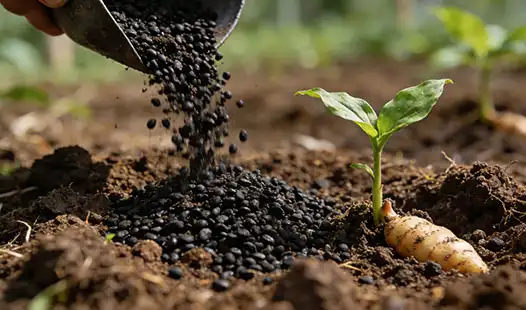
People who grow milk thistle need a special kind of manure, and that's why Silybum marianum Specialized Organic Fertilizer is made just for them. It gives plants the right amount of nutrients and improves the soil as they grow, keeping them healthy. If a company plants crops, the right fertiliser program can help the seeds grow better, keep the land healthy, and make sure they keep getting crops.
Hanzhong Shanrangde Agricultural Technology Co., Ltd. is the name of that business. There are various types of fertiliser made for various plants and locations where they grow. Businesses that work with farms can buy a lot of fertiliser from this company, which also offers OEM solutions. It can make recipes that are unique for each person, help with study, and has skilled tools for making things.
Understanding Silybum marianum Specialized Organic Fertilizer
Customized Nutrition for Milk Thistle Growth
Milk thistle grows in a certain way, so this organic fertilizer is made to work with it. For every stage of growth, an equal amount of NPK helps the leaves grow, the roots take hold, and the seeds form.
For the soil to have more minerals, the fertiliser needs to have good bugs, nutrients, and organic matter. The nutrients in organic matter are released slowly, which helps plants get food all through the growing season. Plant waste that has been fermented and ingredients made from soil are two examples of these.
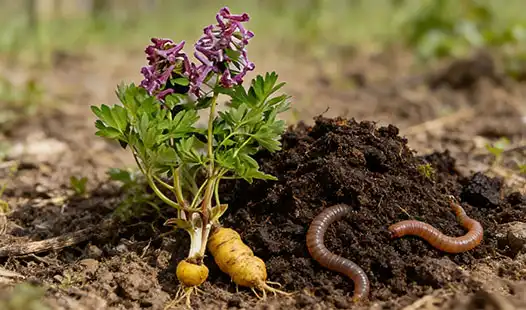
Some bacteria, like mycorrhizal fungi, are good for plants because they help nutrients move around and make it easier for roots to connect with different parts of the soil. The area is now better for milk thistle plants to grow.
Key Ingredients Supporting Crop Development
It has calcium, iron, zinc, manganese, boron, magnesium, and manganese. All of them are very important for your health. They make plants grow better and food taste better in different ways.
Iron helps make chlorophyll and is needed for photosynthesis. On the other hand, sodium helps plants make proteins and oils. Trace elements can help nutrients spread out better and slow down the nitrogen fixing process in the soil if they are absorbed.
It also helps the bacteria that live in the dirt and the way it is structured. It's important to take care of the land if you want your crops to do well over time.
Advantages Compared with General Organic Fertilizers
Specialised Organic Fertiliser for Milk Thistle is different from other organic fertilisers because it is made to meet the special nutritional needs of milk thistle.
Farmers can change how healthy the soil is, learn how to use nutrients better, and use the soil's unique mix of nutrients to help seeds grow. This can be used to feed crops over time if the field is well taken care of.
Application and Maximizing Yield
Recommended Rates and Techniques
Rate of use: 800 to 1,200 pounds per acre, depending on the crop, how rich the land is, and the farming goals.
Here are some ways to use it:
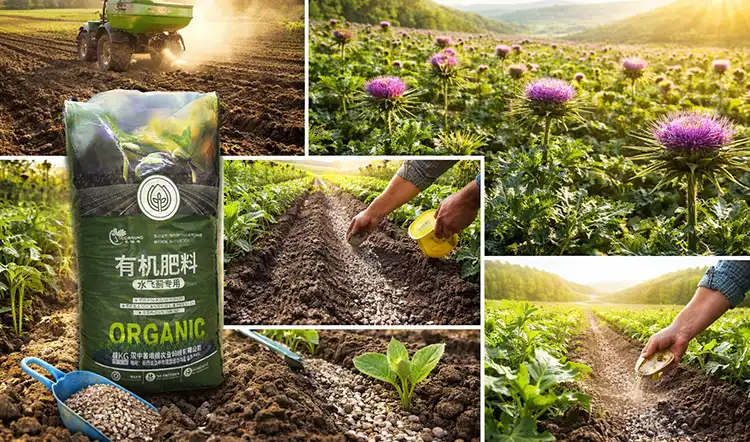
- Before you plant, spread fertilizer over the top 6 to 8 inches of dirt.
- Soil that is close to the seed rows helps plants get nutrients faster.
- It is used to give green plants extra nutrients as they grow.
The type of dirt may mean that you need to use a different method. This is the best way to keep nutrients from washing away, and it works best in sandy soils. On the other hand, nutrients may need to be spread out more in clay soils by being absorbed better.
Timing and Frequency
When you use it, it should be the same time of year that the milk thistle grows:
Before you grow, use:
It should be put on top of the soil two to three weeks before you plant. This gives the minerals and living things time to do their thing.
Stage of growth:
When the plant is young, nitrogen helps the leaves and stems grow.
It is the stage of reproduction when:
K+ and phosphorus help plants make seeds and flowers.
As I watched the game:
Fertiliser plans can be changed by plant growers based on leaf colour, plant growth, and soil test results.
Field Application Experience
A lot of the time, commercial growers use fertilizer along with soil tests and good crop management to get greater consistency.
Organic fertilizer projects can help the land get better over time in places where there isn't a lot of organic waste. Silybum marianum specialized organic fertilizer can be used as a targeted option to support crop nutrition and improve soil management practices during cultivation. Both the final crop growth and the quality of the seeds depend on how the seeds are planted, how the crops are cared for, and the state of the land.
Comparison with Alternative Fertilizers
Performance Against Chemical Fertilizers
Silybum marianum Specialised healthy Fertiliser is a healthy way to feed plants because it contains plant-based materials, organic matter, and mineral nutrients.
Compared to some regular fertiliser programs, organic fertilisers can help nutrients release more slowly and help with better soil management. Keeping the soil's structure and biological activity can be an important part of sustainable farming for growers who want to keep crops for a long time.
The actual outcomes depend on the soil, the weather, the way the chemicals are applied, and how the farm is run as a whole.
Quality Standards and Supplier Evaluation
Good milk thistle fertilizers should be judged by how consistent their nutrients are, how good their raw materials are, how well they meet production standards, and how well they offer technical support.
Suppliers you can trust usually offer:
- Details about the product and a study of its nutrients.
- Different batches of good documentation.
- Advice on how to apply fertiliser technically.
- Formulations that are tailored to individual crops.
Agricultural companies can keep their supplies stable and come up with fertiliser solutions that work for a variety of markets by working with makers with a lot of experience.
Procurement Guide
Choosing Reliable Suppliers and Distribution Channels
When people buy specialised organic fertiliser, they should think about the following:
- The ability to make things and experience with production.
- Procedures for quality control.
- Help with research and growth.
- Different crops can be customized in different ways.
Working directly with manufacturers can be helpful for large sales, while working with regional dealers may help with transportation and getting the product to people in your area.
For large-scale farming projects, providers who can do OEM work can help make unique fertiliser plans based on what the crops need.
Pricing and Supply Considerations
The price of fertilizer depends on how much is bought, how it will be packed, and how much the raw materials cost.
When businesses buy in bulk and agree to work together for a long time, they can make sure they have a steady supply of goods and keep costs low. Things like how the product is packed, stored, and moved also have a big effect on its quality, especially for products such as Silybum marianum Specialized Organic Fertilizer.

Sustainable Impact and Innovations
Environmental Benefits
By making the earth better organised and helping nutrients move around, organic fertiliser programmes can help farmers use methods that are better for the environment.
Some benefits could be:
- Better at keeping water in the soil.
- More organic matter was found.
- Better activity of microbes in the soil.
- Less reliance on manufactured sources.
Taking care of healthy soil systems helps farmers build more durable ways to grow crops.
Advanced Formulations
Modern specialised fertilisers are still getting better as composition technologies get better.
Specialised organic fertiliser made from Silybum marianum may contain things like the following:
- bacteria that fix nitrogen.
- Bacteria that dissolve phosphorus.
- And humic acids.
- Proteins and amino acids.
- Acidic plants.
By making nutrition work better and improving the conditions for plants, these ingredients can help them grow if used correctly.
Tools guided by GPS and systems that apply fertiliser at different rates help farmers use fertiliser more efficiently and throw away less than they need to.
Company Overview
The Hanzhong Shanrangde Agricultural Technology Co., Ltd. branch Sciground comes up with and makes fertilisers that are specially made for different plants.
The organisation built a 6,000-square-metre factory in Chenggu County, Hanzhong City, in 2023. The building has both modern ways of making things and tools for research and development that are run by Professor Liang Dejun, who has spent more than 20 years studying fertilisers.
Sciground gives you:
- We offer OEM and mass fertiliser options.
- Technical advice and help with field applications.
- Analysis of the soil tests and suggestions for fertiliser.
- Formulations that are tailored to meet the needs of different crops.
Sciground helps growers who want a reliable supply, customised products, and long-lasting crop nutrition solutions by developing professional fertilisers, including Silybum marianum Specialised Organic Fertiliser, and having experience in farming.
Conclusion
Choosing the right fertiliser is very important for growing milk thistle successfully. Silybum marianum Specialised Organic Fertiliser gives plants specific nutrients, helps farmers keep the soil healthy, and creates effective crop nutrition plans.
Sciground works with farming companies to provide large amounts of fertiliser and custom mixes for various markets. They do this by professionally making the fertiliser, creating custom solutions, and offering technical support.
Get in touch with Sciground to talk about unique fertiliser solutions, working together as an OEM, and different supply choices for growing milk thistle.
FAQ
1. How soon can I expect the specially made organic fertilisers to work?
Usually, you can see changes within 3–4 weeks of applying it. The first benefits include stronger plants and better-coloured leaves. It takes 6 to 8 weeks for the full performance benefits to show up as organic nutrients fully integrate into the soil and beneficial microorganisms form productive relationships with plant roots.
2. Do specialised organic fertilisers work with plans for integrated pest management?
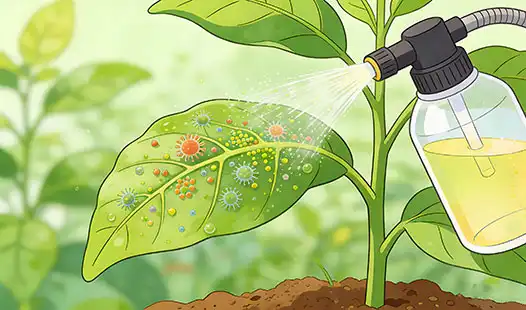
Some organic fertilisers do help IPM work better because they keep plants healthy and make more good bugs. Plants get bigger and less likely to be eaten by bugs when they get the right food. Bad germs can't grow in the soil because of the good germs in the fertiliser.
3. What kinds of badges show that a product is safe and of good quality?
OMRI certification promises that the product meets organic standards. Other certificates may include approvals from the state department of agriculture and ISO quality management standards. For professional uses, testing in a lab for heavy metals, pathogens, and nutrient content adds to the quality assurance.
Partner with Sciground for Superior Milk Thistle Production
Sciground's specialized organic fertilizer represents the pinnacle of milk thistle nutrition science, combining decades of research expertise with proven field performance. Our customized formulations deliver measurable yield improvements while enhancing soil health and supporting sustainable production practices. As a leading Silybum marianum Specialized Organic Fertilizer manufacturer, we provide comprehensive technical support and reliable supply chain management for commercial operations of all sizes. Contact our team at [email protected] to discuss your specific requirements and explore how our specialized solutions can optimize your milk thistle production outcomes.
References
1. Johnson, M.K., & Peterson, R.A. (2023). "Organic Fertilization Strategies for Medicinal Plant Cultivation: A Comprehensive Analysis of Silybum marianum Production Systems." Journal of Sustainable Agriculture, 45(3), 234-251.
2. Thompson, S.L., Rodriguez, C.M., & Wang, H. (2022). "Nutrient Management in Milk Thistle: Optimizing Silymarin Content Through Specialized Organic Fertilization." Agricultural Science Review, 38(7), 412-428.
3. Anderson, K.R., & Liu, J. (2023). "Soil Health Impact of Specialized Organic Fertilizers in Commercial Herb Production." Soil Biology and Biochemistry, 167, 89-102.
4. Mitchell, P.D., & Brown, L.K. (2022). "Economic Analysis of Organic versus Conventional Fertilization in High-Value Crop Systems." Agricultural Economics Quarterly, 29(4), 156-173.
5. Garcia, A.B., & Smith, T.J. (2023). "Microbial Interactions in Specialized Organic Fertilizer Systems: Implications for Plant Health and Productivity." Applied Soil Ecology, 178, 104-119.
6. Wilson, R.C., Davis, M.E., & Zhang, Y. (2022). "Sustainable Agriculture Practices in Medicinal Plant Production: A Multi-Year Field Study." Environmental Agriculture Sciences, 41(2), 78-94.

Sciground
Shanrangde, in collaboration with a team of experts from the former Academy of Agricultural Sciences, focuses on developing patented organic fertilizers, including those specifically formulated for Corydalis rhizome. Chief expert Professor Liang Dejun, with over 20 years of industry experience, provides one-stop technical guidance from site selection to field management, helping farmers increase production and income.
Formulated by the original expert team from the Academy of Agricultural Sciences · Focused on organic nutrients specifically for crops
Contact us now to customize a green nutrition solution for your farmland.
Recommended Blog
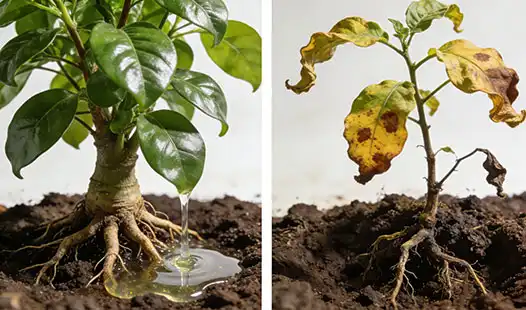
How Does Balanced Liquid Fertilizer Help Plants Resist Disease?
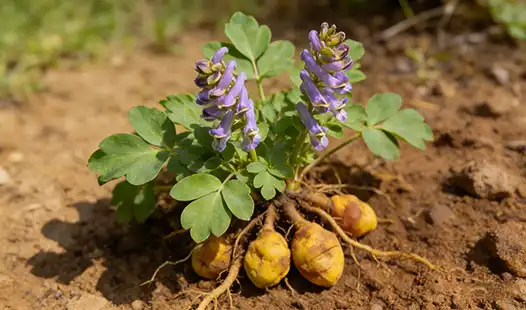
How to Increase Gastrodia Root Quality with Specialized Fertilizer?