How Do Micronutrients Water-Soluble Fertilizers Improve Yield?
Why Micronutrients Water-Soluble Fertilisers Matter in Modern Crop Production
- Why Micronutrients Water-Soluble Fertilisers Matter in Modern Crop Production
- How Key Micronutrients Contribute to Higher Crop Yields
- Comparing Different Micronutrient Fertiliser Options
- Best Practices for Applying Micronutrients Water-Soluble Fertilisers
- Procurement Considerations for Agricultural Buyers
- Sciground's Micronutrient Fertiliser Solutions
- Conclusion
- FAQ
- Partner with Sciground for Superior Micronutrient Solutions
- References
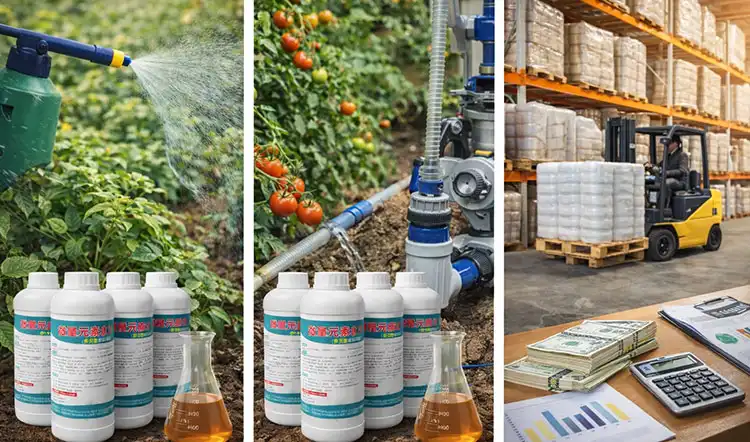
Micronutrient water-soluble fertilisers are very important to modern gardening because they give plants the trace elements they need in a form that they can easily use. Plants only need very small amounts of micronutrients, but not having enough of them can have a big effect on how well plants grow, how much they produce, and how good the products are. These fertilisers help plants use nutrients better by sending iron, zinc, manganese, copper, and boron directly to their roots or leaves. This speeds up their metabolism and makes sure crops do well in all kinds of growing situations.
Why Micronutrients Water-Soluble Fertilisers Matter in Modern Crop Production
Essential Functions of Micronutrients in Plant Development
Many body functions depend on micronutrients, and these functions have direct effects on plant growth. Magnesium helps with photosynthesis and can handle stress. Zinc turns on enzymes that control growth. Iron helps make chlorophyll and move energy around. Plants may not be able to use minerals as well when they are lacking, even in small amounts. This makes them produce less overall. Micronutrients and water-soluble fertilisers are often used to make sure that plants get the same amount of nutrients all through the growing season.
Advantages of Water-Soluble Nutrient Technology
Normal powdered fertilisers don't break down in water, but water-soluble ones do, and plants can use them right away. This trait makes it easy for growers to add nutrients exactly by fertigation or spraying from above.
Some important perks are:
- Quick access to nutrients
- Increased efficiency of using nutrients
- Less nutrient absorption in the soil
- Better fit with high-tech farming methods
- Application dates that are flexible
Supporting Sustainable Agricultural Practices
Efficient nutrient delivery helps minimise fertiliser waste and reduces environmental losses caused by runoff or nutrient immobilisation. As growers increasingly adopt sustainable farming methods, micronutrient water-soluble fertilisers provide a practical solution for balancing productivity with environmental responsibility.

How Key Micronutrients Contribute to Higher Crop Yields
Iron for Chlorophyll Formation and Energy Production
Iron from micronutrient water-soluble fertilisers is needed to make chlorophyll and for photosynthesis to happen. Plants that don't have enough iron often get interveinal chlorosis in their young leaves, which makes it harder for them to use sunshine to make energy.Using water-soluble iron fertilisers can help bring back the healthy colour of leaves and make photosynthesis work better, especially in alkaline soils where iron isn't easily accessible.
Zinc for Growth Regulation and Reproductive Development
Zinc is involved in turning on enzymes, making proteins, and making hormones. Getting enough zinc helps roots grow, stems get longer, flowers bloom, and seeds form.
Crops that have enough zinc levels usually show:
- Early growth that is stronger
- Better results in flowering
- Better filling of grains
- Better ability to handle stress
Zinc items that dissolve in water make it easy to fix shortages quickly during important growth stages.
Manganese for Photosynthesis and Stress Resistance
Manganese helps photosystems work and turns on enzymes that help plants defend themselves. Deficiency signs usually show up as chlorosis on grown leaves and less photosynthesis.Regular use of fertilisers that contain manganese helps keep metabolic activity healthy and makes crops more resistant to harsh weather conditions.
Comparing Different Micronutrient Fertiliser Options
Water-Soluble Versus Granular Formulations
Both micronutrient water-soluble fertilisers and other fertiliser types provide valuable nutrients, but their performance characteristics differ.
| Factor | Water-Soluble | Granular |
|---|---|---|
| Nutrient Availability | Immediate | Gradual |
| Foliar Application | Yes | No |
| Fertigation Compatible | Yes | Limited |
| Deficiency Correction | Fast | Slower |
| Precision Application | High | Moderate |
For intensive crop production systems, water-soluble products often provide greater flexibility and faster crop response.
Chelated Versus Non-Chelated Micronutrients
Chelated micronutrients offer improved stability and availability, especially in soils with challenging pH conditions.
Benefits include:
- Reduced nutrient precipitation
- Improved absorption
- Greater effectiveness under alkaline conditions
- Extended nutrient availability
Selecting the appropriate formulation depends on crop requirements, soil characteristics, and production objectives.
Evaluating Product Quality
Before purchasing micronutrient water-soluble fertilisers, buyers should assess:
- Nutrient concentration
- Solubility rate
- Chelation technology
- Batch consistency
- Manufacturing standards
- Technical support availability
Reliable suppliers typically provide detailed product specifications and quality documentation.
Best Practices for Applying Micronutrients Water-Soluble Fertilisers
Optimising Foliar Spray Programs
When quick nutrient adjustment is needed, leaf treatments are often used.
For the best results:
- Use it early in the morning or late in the afternoon.
- Stay away from high weather
- Use clean water with the right pH levels.
- Follow the recommended rates for application
Nutrients are absorbed well through the leaf surfaces when the spray is evenly spread.
Integrating Fertigation Systems
Fertigation is a way to water plants and give nutrients at the same time, so it can be done precisely in the root zone.
Some benefits are:
- Even spread of nutrients
- Lowering the need for labour
- Increased use of nutrients
- Better handling of water
Fertilisation programs are being used more and more in modern greenhouses and business farms to increase crop yields.
Monitoring Crop Response
Regularly checking on crops helps find nutrition shortages before they cause big drops in yield.
Some good ways to keep an eye on things are:
- Visual checks of crops
- Testing the soil
- Analysis of plant cells
- Evaluation of yield success
Nutrient control based on data makes fertiliser work better and helps crops stay healthy over time.
Procurement Considerations for Agricultural Buyers
Selecting a Reliable Fertiliser Supplier
Picking the right micronutrient water-soluble fertilizers is just as important as picking the right source.
Buyers should think about:
- Capacity for production
- Systems for managing quality
- Services for technical help
- Knowledge of exporting
- Availability of the supply chain
For crop success to stay steady, product quality must stay the same.
Bulk Purchasing and Cost Management
For business growers and wholesalers, buying in bulk can cut down on costs and make planning their supplies easier.
Some important things to think about are:
- Deals on large orders
- Needs for storage
- Costs of shipping
- Changes in seasonal demand
- Agreements to sell goods
A full cost study should look at both the price of the product and the expected benefits for farming.
International Supply and Regulatory Compliance
When buying fertiliser around the world, you have to follow local rules, trade requirements, and standards for product registration. Working with providers who have a lot of knowledge can make the processes of paperwork, coordinating transportation, and making sure quality are easier.
Sciground's Micronutrient Fertiliser Solutions
Advanced Product Development Capabilities
There are a lot of different micronutrient water-soluble fertilisers on Sciground that can be used for different kinds of gardening. Mixing products is done to help crops grow better, get more nutrients to them, and fix vitamin deficiencies that happen in many farming methods.
Strict Quality Management
Some ways to keep quality high are to pick the right base materials, keep an eye on production, test for nutrients, and check each batch. These steps help make sure that nutrients are always there and that function stays the same.
Technical Support for Growers and Distributors
Sciground does more than just sell goods. They also give expert help on how to pick the right fertiliser, how to use it, and how to keep crop nutrition in check. The help given here helps farmers get the most out of their fertiliser so their crops do better.
Conclusion
Micronutrient-rich fertilisers that dissolve in water are now an important part of feeding crops. By quickly and effectively giving plants important trace elements, they improve their health, speed up photosynthesis, make plants more immune to stress, and finally increase their yield potential. Choose high-quality goods, use the right application methods, and work with skilled providers to get the most out of the nutrients they use and support farming that will last. Water-soluble micronutrient fertilisers are a good buy for traders, industrial farms, and farming companies that need strong fertiliser solutions. Over time, they will help plants grow better and faster.
FAQ
1. What makes water-soluble micronutrients more effective than granular fertilisers?
Water-soluble micronutrient formulations provide immediate nutrient availability through enhanced solubility and bioavailability characteristics. These fertilisers bypass soil chemistry limitations that often reduce granular fertiliser effectiveness, particularly in alkaline or high-pH conditions. The rapid absorption capability enables quick deficiency correction while providing consistent nutrient delivery regardless of soil conditions.
2. How quickly can I expect to see results from water-soluble micronutrient applications?
Foliar applications typically show visible improvements within 3-7 days, particularly for iron and zinc deficiency corrections. The fast absorption properties ensure rapid nutrient uptake through leaf surfaces, while fertigation applications provide sustained benefits throughout growing seasons. Results may vary based on deficiency severity, application timing, and environmental conditions.
3. Can water-soluble micronutrients be mixed with other agricultural chemicals?
Most water-soluble micronutrient fertilisers demonstrate excellent compatibility with common pesticides and fungicides, allowing tank mixing for efficient field operations. However, compatibility testing through jar tests is recommended before large-scale applications to prevent precipitation or reduced efficacy issues. Proper mixing order and pH adjustments may be necessary for optimal performance.
4. What application methods work best for water-soluble micronutrient fertilisers?
Foliar spraying provides immediate nutrient delivery and rapid deficiency correction, while fertigation offers sustained nutrient supply through irrigation systems. Soil drenching applications work effectively for containerised crops or localised treatment areas. Application method selection depends on crop type, deficiency severity, and available equipment capabilities.
Partner with Sciground for Superior Micronutrient Solutions
Agricultural professionals seeking reliable micronutrient water-soluble fertilisers can benefit from Sciground's comprehensive product portfolio and technical expertise. Our specialised formulations provide essential micronutrients while enhancing plant resistance to diseases and environmental stress factors. The easy application and fast absorption characteristics ensure optimal nutrient delivery for diverse agricultural systems. Contact our team at [email protected] to discuss customised micronutrient solutions that increase leaf size, promote flowering, and enhance fruit quality for your specific crops. As a leading micronutrient water-soluble fertiliser manufacturer, we provide bulk supply options with personalised technical support to optimise your agricultural productivity and profitability.
References
1. Jones, C.A., & Williams, R.P. (2023). "Micronutrient Fertilisers in Modern Agriculture: Efficacy and Application Methods." Journal of Agricultural Science and Technology, 15(2), 78-92.
2. Thompson, M.L., et al. (2022). "Comparative Analysis of Water-Soluble versus Granular Micronutrient Fertilisers in Field Crop Production." Crop Nutrition Quarterly, 8(4), 145-162.
3. Anderson, K.R., & Davis, S.J. (2023). "Chelated Micronutrients: Chemistry, Stability, and Plant Uptake Mechanisms." Soil Science and Plant Nutrition Review, 27(1), 23-41.
4. Martinez, L.C., et al. (2022). "Economic Benefits of Water-Soluble Micronutrient Applications in Commercial Agriculture." Agricultural Economics and Management, 19(3), 112-128.
5. Roberts, P.H., & Liu, X.Q. (2023). "Foliar Application Techniques for Micronutrient Fertilizers: Best Practices and Performance Optimization." Applied Agricultural Technology, 11(2), 67-85.
6. Brown, T.A., et al. (2022). "Sustainable Micronutrient Management in Precision Agriculture Systems." Environmental Agriculture and Sustainability, 6(4), 201-218.

Sciground
Shanrangde, in collaboration with a team of experts from the former Academy of Agricultural Sciences, focuses on developing patented organic fertilizers, including those specifically formulated for Corydalis rhizome. Chief expert Professor Liang Dejun, with over 20 years of industry experience, provides one-stop technical guidance from site selection to field management, helping farmers increase production and income.
Formulated by the original expert team from the Academy of Agricultural Sciences · Focused on organic nutrients specifically for crops
Contact us now to customize a green nutrition solution for your farmland.
Recommended Blog
What Are Micronutrient Fertilizers and Why Are They Important for Plants?
How Does Balanced Liquid Fertilizer Help Plants Resist Disease?

How to Increase Gastrodia Root Quality with Specialized Fertilizer?