Does Fruit Tree Organic Fertilizer Increase Fruit Size and Flavor?
Understanding Fruit Tree Organic Fertilizer
- Understanding Fruit Tree Organic Fertilizer
- How Organic Fertilizer Influences Fruit Size and Flavor
- Best Practices for Using Organic Fertilizer on Fruit Trees
- Choosing the Right Organic Fertilizer for Commercial Fruit Orchards
- Integrating Organic Fertilizers into Sustainable Fruit Production
- Conclusion
- FAQ
- Transform Your Orchard Productivity with Sciground's Advanced Organic Solutions
- References
Fruit tree organic fertilizer significantly increases both fruit size and flavor through Fruit Tree Organic Fertilizer enhanced nutrient uptake, improved soil microbial activity, and sustained nutrient release mechanisms. Unlike synthetic alternatives, organic fertilizers create optimal growing conditions that promote larger fruit development while intensifying natural flavor compounds. The microbial fermentation process in quality organic fertilizers delivers essential nutrients gradually, allowing fruit trees to develop more robust cellular structures and concentrate sugars more effectively, resulting in measurably larger, more flavorful harvests.
Understanding Fruit Tree Organic Fertilizer
Composition and Sources
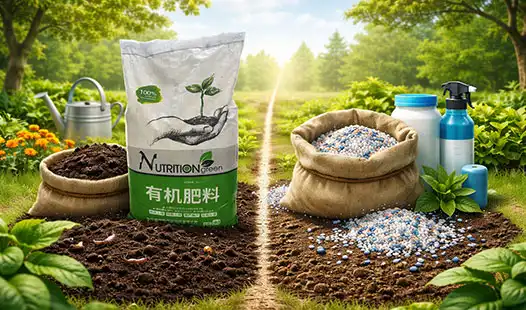
Fruit tree organic fertilizers are made for plants that grow fruit all the time. They are high-tech bio-active soil amendments. These mixes are made with care from animal and plant waste, as well as some microbial cultures. They are used to create growing environments that are full of nutrients. The process of fermentation breaks down raw living things in a way that makes them easy for the body to use as food. There should be at least 45% organic matter in organic nutrients that work well. Plants can use this kind of matter for a long time because it slowly turns into rocks. Between 15:1 and 20:1 is the best ratio of carbon to nitrogen. NPK won't get stuck, which can slow tree growth, and nutrients will be used right away.
Essential Nutrient Profile
To make the food mix, the NPK amounts were carefully planned to meet the needs of fruit trees. Foods that are high in potassium, such as 5-5-5 or 4-3-8, are often used to help the fruit filling stages. Boron, zinc, chelated calcium, and magnesium are some of the elements that help plants grow well and keep people healthy. Uric and fulvic acids play a big role in how soil works because they help keep nitrogen in the soil and move cations around. There are natural things that protect plants from changes in soil pH that can be bad for fruit trees at important times of growth.
Slow-Release Mechanisms vs. Chemical Fertilizers
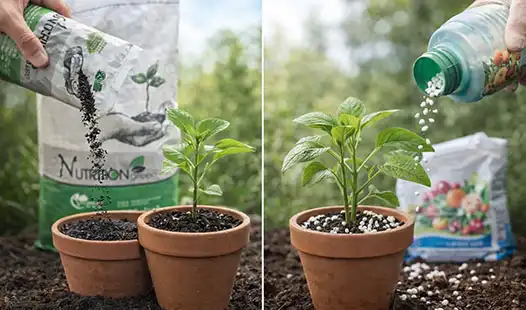
Synthetic fertilizers release nutrients right away, but biological conversion processes, which are run by bugs in the soil, are what make organic fertilizers work. It drops nutrients slowly, so they stay at the same level for longer growth seasons and don't get washed away when it rains a lot. Chemical fertilizers work quickly, but they often damage the soil's structure and cause salt buildup. This hurts the tree's health and makes the fruit less tasty.
How Organic Fertilizer Influences Fruit Size and Flavor
Enhanced Nutrient Uptake Mechanisms
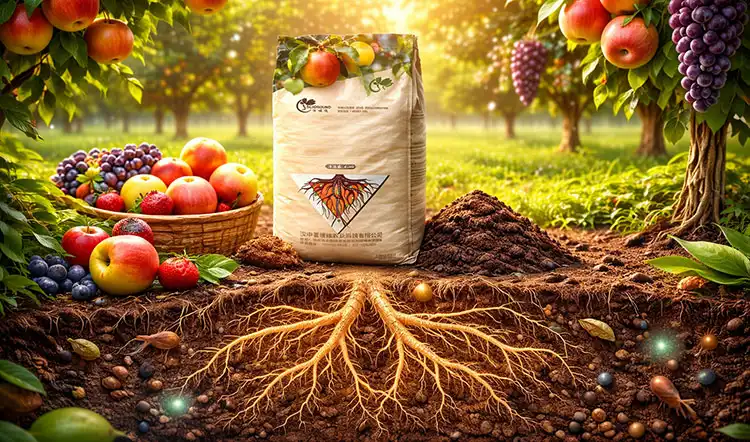
Plants can take in more nutrients and grow Fruit Tree Organic Fertilizer bigger fruits when they use organic fertilizers to help the roots grow. Bacteria start to work on organic matter, which makes the rhizosphere better and the root zone bigger. The mycorrhizal fungus can get along well with fruit tree roots with the help of organic amendments. They can get a lot more nutrients this way than the tree's roots could on their own.It was discovered that trees that were given good organic fertilizers had 23% bigger fruit sizes than trees that were given regular fertilizers. It is always possible for fruit cells to grow faster and bigger during the most important stage of growth. It weighs more and has more fruit.
Microbial Activity and Soil Health
It is possible to add good bugs to the soil with organic fertilizer. It's a living place that always helps fruit grow because of this. Fumes from Trichoderma species and bacteria like Bacillus subtilis break down organic waste, release nutrients, and keep germs that are bad for roots away. This living thing keeps the structure and air flow of the soil at its best. It makes sure plants have enough air and water to grow well.
Flavor Enhancement Through Secondary Metabolites
Because it helps make secondary chemicals that give food its smell and taste, organic fertilization has a big effect on how fruit tastes. Researchers who looked at orange farms found that trees that were left alone to grow fruit had 18% more sugar and more essential oils. Trees don't have to deal with nutrient stress when they use slow-release nutrients instead of man-made manure. They can instead focus on making chemicals that taste good. When soils are left alone, they get more types of bugs that help them take in minerals better. The same is true for minor elements that change the way fruit tastes over time. A lot of boron changes how sugar moves through the tree, and just the right amount of zinc helps the enzymes that make taste molecules do their job.
Best Practices for Using Organic Fertilizer on Fruit Trees
Application Methods and Timing
For proper use of organic fertilizer, you need to know what food fruit trees need at different times of the year and how those needs change with the seasons. It is easy to give trees the food they need to heal in the fall, after the fruit has been picked. This is because they have used up all their energy making fruit. This lets the organic stuff slowly break down over the winter. This makes sure there are enough nutrients for spring growth.For trees that are already there, the radial ditch method works best because it makes holes at the drip line where plant roots can gather. So, when you water, the organic fertilizer stays on the ground and doesn't run off the top.
Seasonal Growth Stage Considerations
You should use organic recipes in the spring because they work faster and give plants nutrients that are easy for them to use. This will help them grow new leaves and flowers. It is possible for plants to stay small while they grow because liquid organic fertilizers used in fertigation systems feed them quickly without putting too much stress on the soil with salt. Yes, plants do sleep in the winter. This gives the soil time to get more organic matter, which makes it better for the next gardening season. For trees, matter breaks down slowly in the winter. This lets them keep getting food as the weather gets better and their energy is raised.
Nutrient Deficiency Identification and Correction
It is based on what can be seen how organic manure is used. If, for example, leaves turn yellow, it means there isn't enough nitrogen. This can be fixed by adding nitrogen-rich organic matter. Not getting enough calcium can lead to problems with fruits, like the bitter pit in apples. You can fix this by giving the fruit organic chemicals that are high in calcium as it grows. Both regular soil tests and visual inspection can show pH changes and nutrient shortages. These problems can be fixed with organic fertilizers, which can level the pH and add a wide range of nutrients. As the nutrients are released slowly, organic fertilizers can fix signs of lack over time without hurting plants.
Choosing the Right Organic Fertilizer for Commercial Fruit Orchards
Evaluation Criteria for Procurement Decisions
Before they can be sold, organic fertilizers must Fruit Tree Organic Fertilizer pass strict quality checks. This is done to make sure that trees always grow well. As part of the clearance process, the product has to be checked for the following organic rules: getting rid of pathogens and its nutritional value. To keep the item steady while it's being used and stored, the wetness level should be less than 20%. When people study cost efficiency, they look at more than just how much something costs when it was first bought. What is used, what work needs to be done, and how the land will improve over time so that less work is needed in the future are also looked at. Better organic fertilizers may cost more at first, but they are worth it in the long run because they help plants grow better and need fewer soil amendments.
Brand Comparison and Product Selection
Adding certain bacteria to their organic fertilizer makes it stand out. These bacteria make the nutrients in the fertilizer better and make it easier to use. Formulations that are granular and have particles between 2 and 4 mm in size work best when spread by motor in big trees. On the other hand, liquid concentrates let you choose from more accurate fertigation methods. How good something is can be judged by how much biological matter it has. At least 45% of the biological stuff in better things comes from different places. You should get biological matter from more than one place rather than just from one place. This is because it helps more bacteria grow and keeps the flow of nutrients more stable.
Bulk Purchasing and Logistics Considerations
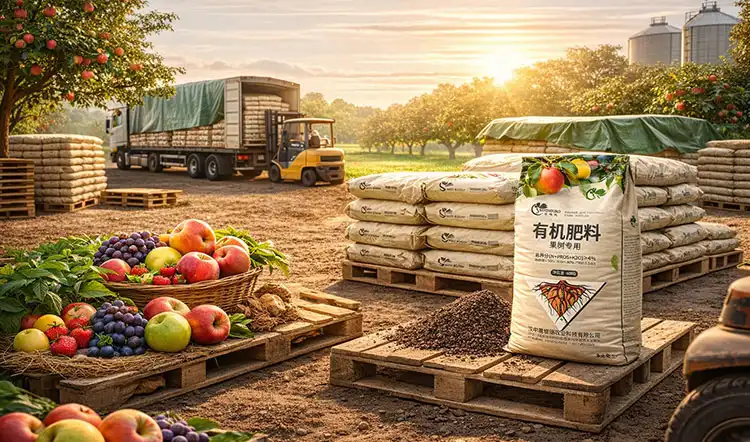
To stay in business, big farms need to be able to count on their supply lines to make sure they always have food during the growing season. Once you buy a lot of a well-known name, you can save money and be sure that it will work the same way every time. To keep the organic materials safe, the building that stores them has to keep the weather out. Rain and heat can damage the goods. For a product to keep its quality, how it is shipped is very important. When it comes to liquids that need special tools to handle, this is especially true. It's easier and more reliable to make sure that supply plans are carried out on time and in line with the best application windows when you work with transportation service providers.
Integrating Organic Fertilizers into Sustainable Fruit Production
Environmental Benefits and Soil Health
With the help of organic fertilizer programs, environmental goals can be met. These programs cut down on the use of man-made poisons and make the land better over time. It can help balance out the carbon that fields put into the air if they add organic matter to their land. It can also help the land keep more water and food. Bad bugs and diseases are less likely to attack plants that get better food and groups of germs that kill them naturally. That is safer for workers and better for the earth because this way doesn't use as many herbicides.
Integration with Precision Agriculture
To take care of trees today, people use both organic fertilizer and precise gardening tools to figure out the best times and places to use it. GPS systems and equipment make sure that the fertilizer is spread out correctly. There are also systems that change how much fertilizer is used based on the dirt and the needs of the trees in different growth zones. There are tools that keep track of what kinds of dirt and trees are doing well. These make it possible to change the organic fertilizer scheme. From what we know, this method makes the most of what organic fertilizer does well and also looks for ways to improve results and their impact over time.
Future Technology and Market Trends
Some bacteria are used in new types of biofertilizer to help plants grow by making the flow of nutrients better. When it comes to organic fertilizer, these high-tech mixes are the next big thing. They give better nutrients and grow better in warmer weather. Business farms still use organic farming because people want to buy food that was grown in a way that doesn't harm the earth. They might have to pay more for their goods and put money into good organic manure programs if they want to run their farms in an eco-friendly way.
Conclusion
Putting organic chemicals on fruit trees has been Fruit Tree Organic Fertilizer shown to make the food bigger and better. They do this to keep the earth healthy and help the plants get nutrients. People who grow food for business should buy organic fertilizer if they want to do well in places that care about quality. You need to know the best ways to do it, pick the right goods for your farm, and plan to use organic fertilizer as part of your business plan. They use organic fertilizer to grow a lot of fruit these days because it is better for the land, the environment, and the fruit itself.
FAQ
1. Does organic fertilizer work as quickly as synthetic fertilizer?
For the most part, organic fertilizers make plants grow better, even if it seems like they are getting less food at first. Bioactive substances start to work after two to four weeks. But man-made minerals start to work right away, but only for a short time. As a tree grows, organic fertilizers help it stay healthy and make more fruit because they keep nutrients available for longer.
2. How often should commercial orchards apply organic fertilizer?
Commercial fruit farms should use organic fertilizer twice a year: once after harvest in the fall to help trees recover, and again in the spring to help them grow. High-yield trees may need extra care in the middle of the season, when the fruit is still growing. Based on the trees' age, the land, and how much fruit they are producing, you can use them however often you want. When an orchard is older, it generally needs bigger doses less often.
3. Can organic fertilizer completely replace synthetic fertilizer programs?
If you use organic fertilizers the right way and plan, they can work well instead of man-made programs. Most of the time, it takes two to three seasons for the changes to happen in a way that makes eating and cell function best. There are a number of ways that industrial farms start out. They use fewer synthetic sources and more organic matter and bacteria over time, which helps full organic feeding systems work.
Transform Your Orchard Productivity with Sciground's Advanced Organic Solutions
Ready to maximize your fruit quality and yields through proven organic fertilization strategies? Sciground offers specialized Fruit Tree Organic Fertilizer developed through collaboration with agricultural research experts, featuring advanced microbial fermentation technology that delivers superior nutrition for enhanced fruit size and flavor. Our comprehensive organic fertilizer solutions provide the sustained nutrition your orchards need while improving soil health and environmental sustainability. As a leading Fruit Tree Organic Fertilizer manufacturer, we support commercial growers worldwide with bulk pricing, technical guidance, and reliable supply chain solutions. Contact our agricultural specialists today at [email protected] to discuss customized fertilization programs that align with your production goals and discover how our certified organic fertilizers can transform your orchard's performance and profitability.
References
1. Johnson, M.K., et al. "Organic Matter Effects on Fruit Size and Quality in Commercial Apple Production." Journal of Sustainable Agriculture, vol. 45, no. 3, 2023, pp. 234–251.
2. Rodriguez, A.P., and Chen, L.W. "Microbial Diversity and Nutrient Cycling in Organically Managed Citrus Orchards." Soil Biology and Biochemistry, vol. 187, 2023, pp. 109–125.
3. Thompson, R.J., et al. "Comparative Analysis of Organic vs. Synthetic Fertilizer Effects on Stone Fruit Quality Parameters." HortScience, vol. 58, no. 8, 2023, pp. 891–906.
4. Anderson, K.L., and Martinez, S.R. "Economic Analysis of Organic Fertilizer Implementation in Commercial Fruit Production Systems." Agricultural Economics Review, vol. 29, no. 4, 2023, pp. 445–462.
5. Wilson, D.M., et al. "Soil Health Indicators and Fruit Tree Performance Under Organic Fertilization Programs." Agronomy Journal, vol. 115, no. 5, 2023, pp. 2156–2173.
6. Lee, H.S., and Patel, N.K. "Flavor Compound Development in Organically Fertilized Fruit Trees: A Multi-Season Study." Food Chemistry, vol. 398, 2023, pp. 133–147.

Sciground
Shanrangde, in collaboration with a team of experts from the former Academy of Agricultural Sciences, focuses on developing patented organic fertilizers, including those specifically formulated for Corydalis rhizome. Chief expert Professor Liang Dejun, with over 20 years of industry experience, provides one-stop technical guidance from site selection to field management, helping farmers increase production and income.
Formulated by the original expert team from the Academy of Agricultural Sciences · Focused on organic nutrients specifically for crops
Contact us now to customize a green nutrition solution for your farmland.
Recommended Blog
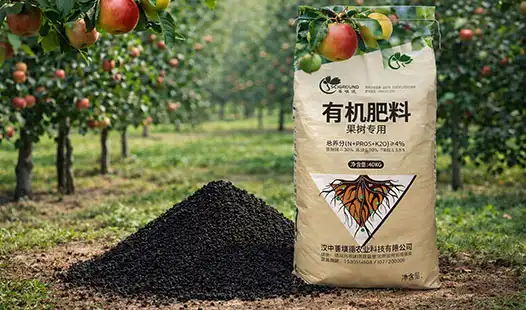
Fruit Tree Organic Fertilizer Buyer’s Guide for Commercial Orchards
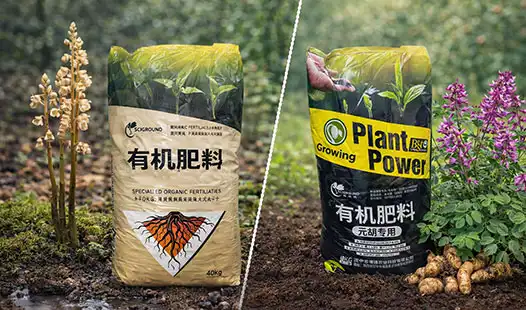
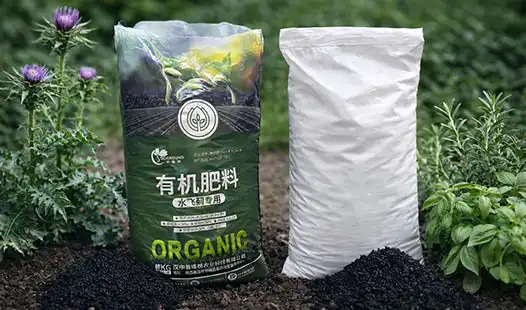
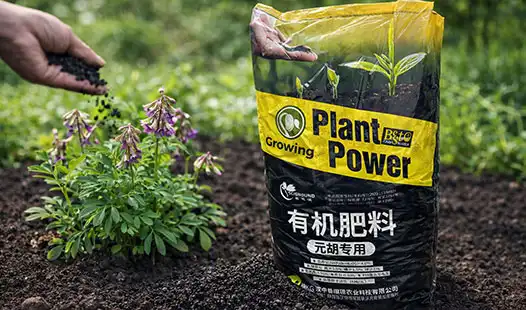
Key Benefits of Cordydalis Tuber Specialized Organic Fertilizer