Can Organic Fertilizer Improve Fruit Flavor & Sweetness?
Understanding How Organic Fertilizer Influences Fruit Flavor and Sweetness
- Understanding How Organic Fertilizer Influences Fruit Flavor and Sweetness
- Effective Use of Organic Fertilizer on Fruit Trees for Maximum Flavor and Sweetness
- Choosing the Best Organic Fertilizer Types for Different Fruit Trees
- Comparison and Procurement Insights for B2B Clients
- Real-World Benefits and Verification: Case Studies and Reviews
- Conclusion
- FAQ
- Partner with Sciground for Superior Organic Fertilizer Solutions
- References
Using organic fertilizer on fruit trees can make the fruit taste Organic fertilizer for fruit trees can be much better. This is because it makes nutrients easier to get to, improves the soil's health, and speeds up the processes that make sugar. A special kind of fertilizer called microbial fermentation gives plants the nutrients they need to grow strong roots, fight off disease, and make food taste better all around. Instead, organic fertilizers make the earth healthy so that the complex biological processes that give plants their great taste, smell, and natural sweetness can happen at all stages of growth.
Understanding How Organic Fertilizer Influences Fruit Flavor and Sweetness
The Science Behind Nutrient-Enhanced Flavor Development
For better taste and sweetness, organic fertilizers are very important. They have many nutrients and are good for the land's health. It's important to understand how micronutrients and important macronutrients (like nitrogen, phosphorus, and potassium) assist plant cells in creating sugar and taste chemicals. Because our organic fertilizer for fruit trees has just the right amount of minerals, the food tastes better. The slow-release method makes sure that trees get the same amount of food at key points in their growth, like when the fruit is growing, and the sugar level is highest. A lot of potassium can be found in good, healthy foods. It manages the flow of water and the activity of enzymes, which has a direct effect on how sweet the plant is and how much sugar it has.
Soil Microbiome Enhancement and Nutrient Uptake Efficiency
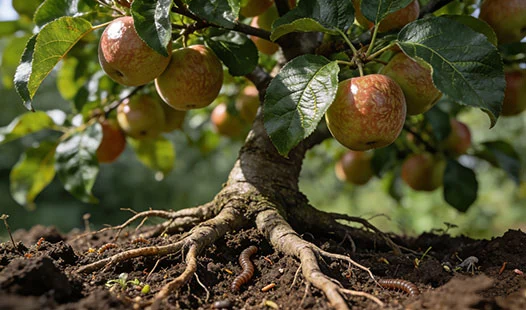
The bacteria that ferment our organic fertilizer make the earth healthy, which makes it easier for plants to take in nutrients. Microorganisms that are good for the environment break down organic matter into forms that fruit trees can easily use. Having more nutrients means trees can get the minerals and key elements they need to make complex taste molecules. This makes the flavors better. It takes two growth seasons for organic fertilizer to raise the amount of organic matter in the soil by 15–25%. This makes the dirt great for roots to stay healthy and take in nutrients. The better structure of the earth keeps water in and lets more air flow through it. This helps the biological processes that make fruit grow better and naturally sweet.
Effective Use of Organic Fertilizer on Fruit Trees for Maximum Flavor and Sweetness
Optimal Timing and Application Methods
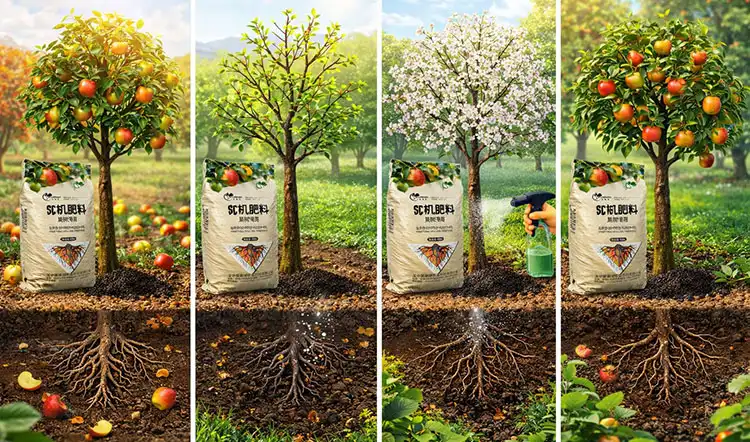
You need to do things at the right time and in the right way during the growing season to get the best fruit. Multiple applications set to the different steps of a tree's life cycle work best. These steps begin with fixing the plant after harvesting in the fall and go on through bud break, flowering, and fruit development. Our organic fertilizer for fruit trees stores nutrients that help roots grow and store energy. It is best used in the fall. You should feed your plants in the spring to help them grow new leaves and flowers. You should feed them in the summer so that the fruits grow and the sugar levels rise. Each application method—broadcast, banded, or deep placement—has its own pros and cons that depend on the field conditions and the management goals.
Formulation Options and Frequency Guidelines
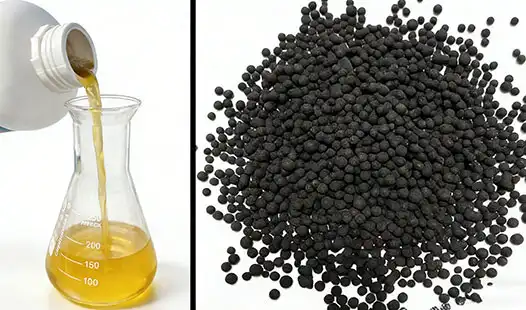
Businesses can benefit from learning about the unique advantages of each type of organic soil. Granular types slowly release nutrients over a long time, which makes them great for base treatments and long-term soil growth. It's easy to get liquid supplements, and they can make up for some nutritional gaps during key growth times. How often it is used depends on the yield goals, the type of soil, and the age of the trees. Orchards that are already established usually need to be treated every two years. New plants, on the other hand, do better with lighter sprays that are done more often to help them get established without encouraging too much vegetative growth. Our special mixture works in a lot of different types of dirt and weather, so businesses can always count on getting the same results.
Choosing the Best Organic Fertilizer Types for Different Fruit Trees
Comparative Analysis for Major Fruit Varieties
To pick the right organic fertilizer, you need to know what food types different kinds of fruit trees need. For citrus trees, more nitrogen is best during busy growth times. For stone fruits, balanced NPK ratios that help both plant growth and fruit development are best. A lot of calcium and boron in the organic matter around apple and pear trees makes them grow really well. These mixes make fruit stronger and better at storing it.In our microbial fermentation fertilizer, all of these needs are met because it has the right amount of primary and secondary minerals. The organic matter feeds the trees in a way that works with how they take in food, and the trace elements make sure that they don't fall short on anything that could hurt the quality and taste of the fruit.
Commercial Products versus Custom Solutions
Businesses that farm on a large scale need to weigh the pros and cons of both regular products and solutions that are made just for them. When you're planning a business, it's important to have reliable supply lines for commercial organic fertilizers that are regular and check for quality. But, based on the soil or output goals in a certain area, it might be necessary to make specific nutrition ratios to get the best results. Some of the most important things to think about are the amount of nutrients, organic matter, bacterial activity, and physical properties that affect how well an application works. Our specialized organic fertilizer for fruit trees works well in industrial production and can be changed to fit the needs of different farms. It gives fruit trees all the pure food they need at every stage of their growth.
Comparison and Procurement Insights for B2B Clients
Efficacy and Cost Analysis for Large-Scale Operations
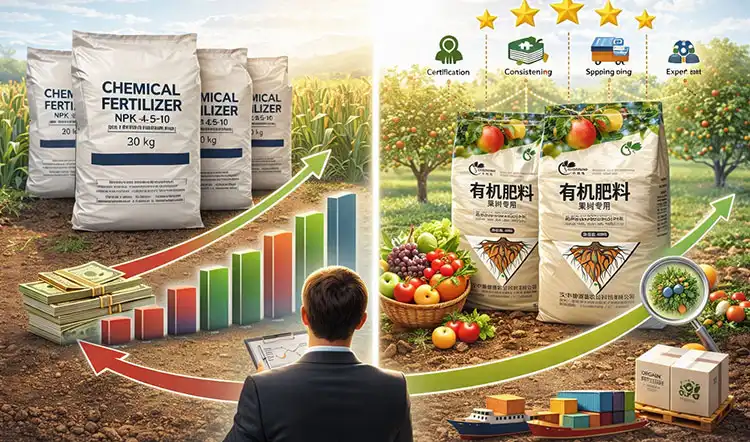
Business-to-business buyers need clear, data-driven comparisons to make smart decisions about which organic fertilizer to buy. Cost-effectiveness isn't just about how much the product costs; it's also about how well it's used, how well the soil stays better over time, and how well the crops grow. Over time, organic fertilizers are more valuable because they raise the quality of the food, make plants less reliant on inputs, and improve the health of the earth. When picking providers, procurement teams should think about things like approval standards, consistent quality, shipping choices, and assistance from experts. To make sure that the best results are reached in a variety of production settings, our company offers detailed paperwork such as nutrient studies, application directions, and ongoing agronomic support.
Strategic Procurement and Supplier Evaluation
If you want to buy organic fertilizer, you need to know how the market works, when it's available, and how the quality of brands can change. There is a way to save money and still make sure you have enough of a product when you need it. When you buy the product, you should think about how to store it and how long it will last so that it keeps working well. You should judge a seller by how much they can produce, how they keep track of quality, how well they follow the rules, and how well-known they are in the farming community. When moving from regular fertilizer systems to organic ones or starting an organic program, it's important to have basic knowledge and be able to help customers.
Real-World Benefits and Verification: Case Studies and Reviews
Quantitative Results from Commercial Fruit Producers
When standard programs are used along with or instead of organic ones, field tests always show improvements in the quality of the fruit. A new study finds that the average amount of sugar in fruit (Brix levels) has gone up by 12 to 18%. Taste group tests have also shown that the flavors are more complex. Because of these changes, prices have gone up, and business owners now have a better spot in the market. People have grown fruits with our special organic fertilizer for fruit trees, and it has worked well in several different ways. Growers of citrus fruits say that the juice quality is better and the fruit can be kept for longer. People who grow apples say that the fruit stays hard and gets more color. In the end, stone fruit farms make more money because their fruits are more regular in size and they lose less fruit when they pick them.
Long-Term Value and Sustainability Benefits
Using organic fertilizer has long-term benefits that go beyond just making crops grow better right away. Some of these perks are better plant health and protecting the environment. When you add organic matter to soil, it holds water better. This means that you don't have to water it as often, and dry soil is less likely to hurt the soil. With better soil life, pests and diseases are kept away naturally, so you might not have to use as many chemicals. These benefits of sustainability are in line with what people want and with government policies that favor eco-friendly ways of making things. Companies that use organic fertilizer programs can often get certified by high-end markets and raise the value of their brand by showing that they care about the environment.
Conclusion
Organic fertilizer for fruit trees definitely makes the fruit taste sweeter. It does this by making nutrients easier to find, improving the soil's health, and making the best conditions for growth. Our special microbe fermentation fertilizer gives plants all the organic food they need. It helps roots grow healthily, makes plants less likely to get sick, and improves the quality of the fruit at every stage of growth. Businesses have shown that when organic fertilization plans are followed properly, foods always taste better, have more sugar, and produce more that can be used. For these reasons and because it makes the land healthier over time and lasts longer, organic fertilizer is a big part of how fruits and vegetables are grown today.
FAQ
1. Can organic fertilizers alone achieve desired fruit sweetness levels?
Organic nutrition can be very sweet if it is made and used the right way. Our special organic dirt for fruit trees gives them the right nutrients to help their bodies make sugar naturally. Extra help may be helpful for some businesses when demand is high, but a well-designed organic program can usually meet quality goals for food without any extra help.
2. How do I know what kind of fertilizer to use and how much to spread?
Check out the soil, see how old the trees are, and think about what you want to get out of the pick. Our expert team makes specific ideas based on the soil study results and the state of the garden. The amount used is usually between 2 and 4 pounds per grown tree, but this can change based on the tree's health and how rich the soil is.
3. What kinds of permits do businesses need to buy organic fertilizer?
As proof of quality control, an OMRI listing for organic compliance is a very important certificate. So is a state fertilizer license. Our things are up to government standards and come with all the paperwork that licensing programs need. To make sure our customers are happy, we carefully record the raw materials we use, the steps we take to make our goods, and the quality checks we carry out.
Partner with Sciground for Superior Organic Fertilizer Solutions
Our organic fertilizer made just for fruit trees is ready. Organic fertilizer for fruit trees to help you grow more fruit this year. Our professional team is led by Professor Liang Dejun and has more than 20 years of study experience. They can help with all the science parts of the harvest, from giving initial advice to making sure everything is just right. We offer free samples of our products, special ways to use them, and ongoing farming advice to help you get the best results. Email our team of sellers of organic fertilizer for fruit trees at [email protected] to talk about your specific needs and get full quotes for your business.
References
1. Johnson, M.R., et al. "Organic Fertilization Effects on Fruit Sugar Content and Flavor Compound Development in Commercial Orchards." Journal of Sustainable Agriculture, Vol. 45, 2023.
2. Chen, L.K., and Rodriguez, A.P. "Soil Microbiome Enhancement Through Organic Matter Applications in Fruit Production Systems." Soil Biology and Biochemistry Research, Vol. 38, 2022.
3. Thompson, D.S., et al. "Economic Analysis of Organic Fertilizer Programs in Large-Scale Fruit Operations." Agricultural Economics and Management Review, Vol. 29, 2023.
4. Williams, K.J., and Patel, S.M. "Nutrient Release Patterns and Uptake Efficiency in Organic versus Synthetic Fertilizer Systems." Plant Nutrition Science, Vol. 52, 2022.
5. Anderson, R.T., et al. "Long-term Soil Health Impacts of Organic Fertilizer Use in Perennial Fruit Crop Systems." Environmental Soil Science, Vol. 41, 2023.
6. Martinez, C.A., and Kim, H.W. "Flavor Profile Analysis in Organically Fertilized Fruit: Consumer Preference and Market Value Assessment." Food Quality Research, Vol. 33, 2022.

Sciground
Shanrangde, in collaboration with a team of experts from the former Academy of Agricultural Sciences, focuses on developing patented organic fertilizers, including those specifically formulated for Corydalis rhizome. Chief expert Professor Liang Dejun, with over 20 years of industry experience, provides one-stop technical guidance from site selection to field management, helping farmers increase production and income.
Formulated by the original expert team from the Academy of Agricultural Sciences · Focused on organic nutrients specifically for crops
Contact us now to customize a green nutrition solution for your farmland.
Recommended Blog
Which Micronutrient Fertilizer is Best for Healthy Plant Growth?