Can Organic Fertilizer Reduce Chemical Runoff Risks?
Understanding Chemical Runoff and Its Environmental Impact
- Understanding Chemical Runoff and Its Environmental Impact
- How Organic Fertilizer Helps Mitigate Chemical Runoff Risks
- Types of Organic Fertilizers and Their Suitability for Different B2B Needs
- Procurement Guide: Selecting and Buying Organic Fertilizer to Reduce Runoff Risks
- Sciground: Sustainable Organic Fertilizer Solutions
- Conclusion
- FAQ
- Partner with Sciground for Premium Organic Fertilizer Solutions
- References
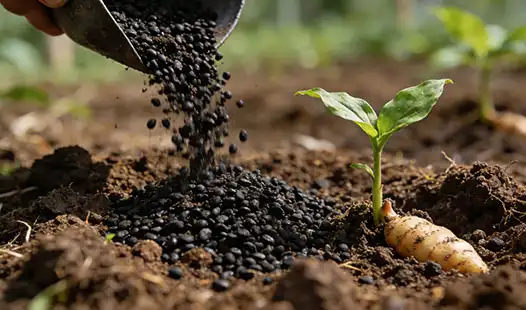
In fact, compared to regular manmade fertilizers, organic fertilizer can greatly lower the risks of chemical waste. For organic fertilizers, the slow-release nutrients make the soil stickier, so extra nutrients don't get washed away when it rains or when it's irrigated. Organic fertilizer releases nutrients slowly through microbial decomposition, giving plants more time to absorb them while reducing environmental losses through surface water contamination. This is in contrast to chemical fertilizers that break down quickly and cause immediate nutrient surges.
Understanding Chemical Runoff and Its Environmental Impact
The Science Behind Agricultural Chemical Runoff
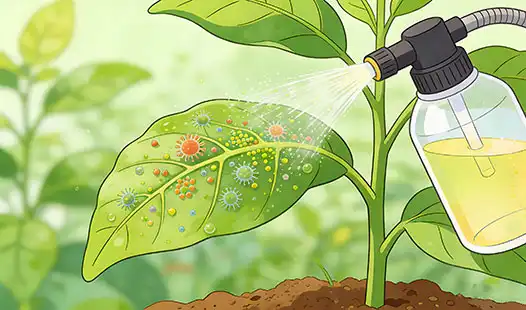
Too much fertilizer, pesticides, and other agrochemicals can run off the land and into bodies of water, which is called chemical runoff. This pollutes large areas of land and ecosystems as a whole. Water-soluble nutrients move across the soil's surface instead of getting into root zones where plants can use them effectively. This process usually starts when it rains a lot or stays wet for too long. Synthetic fertilizers make this problem worse because they break down quickly, concentrating nutrient loads that are too much for natural soil drainage systems to handle.
Environmental Consequences of Nutrient Pollution
Chemicals that run off into the environment do a lot more damage than just hurt the water quality. Overloads of nitrogen and phosphorus cause plants to grow very quickly in lakes, rivers, and along the coast, which is one of the worst effects. To make dead zones where marine life can't live, these algal blooms take in liquid oxygen. Loss of biodiversity destroys beneficial microbial communities that keep the soil's structure and keep nutrients moving through it. This hurts fish populations, throws off food chains, and hurts the recreational and commercial fishing industries that rural communities depend on for their economic stability. Soil degradation happens at the same time as water pollution. The loss of organic matter in the soil makes it more likely to wash away, and it also makes it harder for the land to naturally hold on to water and nutrients during important growth times.
Economic Repercussions of Runoff-Related Pollution
Chemical waste hurts the economies of local towns and other farms that depend on it. Getting farm poisons out of drinking water sources is hard for municipalities, which means that they have to pay more to treat the water. These costs fall on taxes and local businesses. When the health of the soil gets worse, farmers have to use more and more expensive synthetic inputs to keep yields the same. When water quality problems happen, property values drop, and the tourism and recreation industries lose money because people can't swim, fish, or go boating in lakes and rivers. Dealing with drainage risks helps the whole area businesses, not just individual farms, as these effects are all linked.
Limitations of Conventional Chemical Fertilizers
It's hard to control waste with regular organic fertilizers because they are made so that nutrients are available quickly, rather than being safe for the environment. Because manmade nutrients are very easily dissolved, plants can use them right away. However, this also means that they can be washed away or moved to the surface during raindrops. For chemical fertilizers, the right time to apply them is very important, but the weather often makes it impossible to do so, which increases the risk of runoff. These problems show that we need new methods that protect ecosystem integrity and help long-term land management practices that are good for both productivity and the environment.
How Organic Fertilizer Helps Mitigate Chemical Runoff Risks
Nutrient Slow-Release Mechanisms and Soil Interactions
Nutrients in organic fertilizers are released slowly and interact with the earth better, which naturally stops nutrients from leaking out and running off. This is what makes them truly different from chemical fertilizers. Good organic fertilizers have a lot of nutrients in them, like natural humic acid that dissolves in water and humic acid that comes from plants. These nutrients work together to make stable soil mixtures. These chemicals and bacteria in organic fertilizers link to soil particles through chemical and biological processes. This stops nutrients from moving quickly when it rains. After breaking down organic matter over time, these microbes release nutrients at rates that plants can use. They don't make rapid concentration spikes that are too much for plants to handle. Using biology to supply nutrients makes sure that plants get the right nutrition while reducing damage to the environment.
Enhanced Soil Structure and Water Retention
When chemical fertilizers are used too much, they can damage the soil and make it harder for water to drain. Organic fertilizers work better at fixing loose soil that causes runoff problems. That's because the organic matter helps the soil make clumps, which hold more water and stop it from evaporating when it's dry. The better structure of the soil makes it easier for water to soak into the ground, so rainwater can flow deeper into the soil instead of just running off the surface and putting nutrients into waterways. This is how organic fertilizers make the soil more resistant to drought and cold. For plants to grow well even in tough conditions, soils that have been amended with organic matter maintain their temperature and wetness levels. This means that plants don't need extra watering, which can raise the risk of runoff.
Disease Prevention and Microbial Environment Enhancement
Healthy plants can resist and avoid soil-borne diseases that can hurt their health and make it harder for them to take in nutrients. Good organic fertilizers can fight and stop these diseases. By adding organic matter to soil, you can improve the microbial environment and encourage the growth of beneficial microorganisms that eat pathogenic species and make nutrients more available through biological processes. These microbial communities create living soil systems that keep working even when the growing season is over, which is something that synthetic fertilizers can't do but that organic amendments can. As a result, all types of crops have higher yields, including general crops that grow well in all conditions and specialty crops that need certain nitrogen levels.
Practical Application Methods for Runoff Reduction
The best way to use organic fertilizers is to make sure they get to the plants properly so they don't make too much waste. Before it rains, spreading organic fertilizers over the ground while the weather is calm lets them properly mix into the soil. Applying organic fertilizers before planting shows better results in reducing runoff when they are used instead of or along with synthetic fertilizers in commercial farming. This is because they give the soil time to break down organic matter and build up its structure, making the growing conditions more stable. When buying things in a way that is good for the environment and meets both economic needs and sustainability goals, these success stories show that organic fertilizers can work.

Types of Organic Fertilizers and Their Suitability for Different B2B Needs
Comprehensive Overview of Organic Fertilizer Categories
Biofertilizers, compost, dung, and liquid mixtures are just some of the different types of organic fertilizers that are on the market. Each has its own benefits that depend on the crop and the situation in which it is used. Buying professionals can better match the properties of fertilizer with their needs while also increasing the benefits for the environment if they understand these groups. Manure-based fertilizers have a lot of nutrients and organic matter, which is good for crops that need a lot of nitrogen. Compost-based products have balanced nutrition and great soil conditioning properties, so they can be used in general farming and long-term programs to improve soil health. Biofertilizers are made up of organic nutrients and groups of microbes that make nutrients more available and help control pests biologically. It is easy and even to use liquid organic products for large-scale operations because they can be precisely applied through watering systems.
Matching Fertilizer Types to Agricultural Applications
In order to get the best results for both work and the environment, different types of farming and gardening need different ways of using organic fertilizer. A balanced organic mixture that releases nutrients slowly over the growing season and increases the amount of organic matter in the soil is good for vegetable gardening. Formulations with the right amount of potassium and micronutrients are needed for fruit orchards and turf management to make sure that trees grow steadily without too much vegetative growth. Organic mixes that are specially made for specialty crops can help them get the nutrients they need while also keeping the land healthy and lowering the risk of disease.
Procurement Considerations for B2B Clients
In order to make sure that organic fertilizers meet both efficiency and legal standards, quality approvals are very important when buying them. Certified goods from the Organic Materials Review Institute (OMRI) are guaranteed to meet the rules for organic farming, and certifications at the state level check claims about nutrients and safety. Big businesses need to be able to rely on their suppliers to always have the products they need and send them on time. To help purchasing managers figure out which organic fertilizer options are best for the environment, they use environmental impact ratings. For these profiles to be worth the higher price compared to manmade options, they should include information on the carbon footprint, how green resources are used, and the long-term effects on soil health.
Procurement Guide: Selecting and Buying Organic Fertilizer to Reduce Runoff Risks
Essential Decision Factors for Procurement Managers
To get organic fertilizers in a way that is good for both the environment and the economy in the long run, you need to look at a number of complex factors. Choosing the right organic fertilizer depends on finding nutrient ratios that meet the unique needs of each crop. Procurement professionals can find products that meet crop nutrition needs and soil test results by finding products that have the right amounts of nitrogen, phosphorus, and potassium, as well as micronutrients and organic matter that are good for the plants. Teams in charge of buying things should work with providers who fully explain how they get certified and make sure that quality control standards stay the same throughout all production cycles.
Strategic Sourcing and Vendor Evaluation
Getting organic nutrients from reputable suppliers is important for long-term success because the stability of the product and its biological activity affect how well it works. Finding good providers means checking out their factories, how they handle quality control, and how well they can help with technology issues. An analysis of cost-effectiveness should weigh the initial costs of purchases against the long-term benefits to soil health, lower input needs, and environmental compliance. Reliability in the supply chain and delivery services becomes very important for keeping farming operations running smoothly, especially during busy application times when timing affects crop success. In order to make sure that products are available when they're needed, procurement managers should look at the transportation, storage, and emergency delivery choices of each seller.
Quality Assurance and Performance Metrics
To make sure that organic fertilizers do what they're supposed to do and lower waste risks, buying teams need to set clear quality assurance standards. In these rules, there should be ways to test for nutrient content, microbial activity, and amounts of contaminants that could harm crops or the environment. Organic operations need to keep careful records that link fertilizer purchases to field applications and crop outcomes. Performance metrics should measure both short-term changes in crop response and long-term improvements in soil health that justify spending money on premium organic products. These records should be easier to keep track of with procurement tools that give information on how to choose and use fertilizer more efficiently.

Sciground: Sustainable Organic Fertilizer Solutions
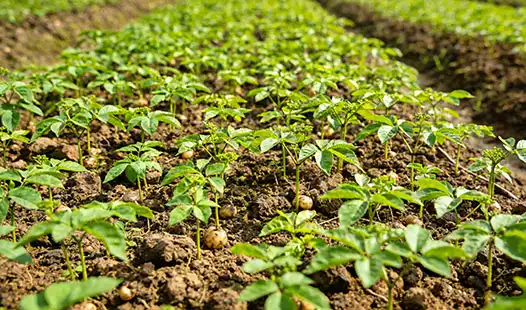
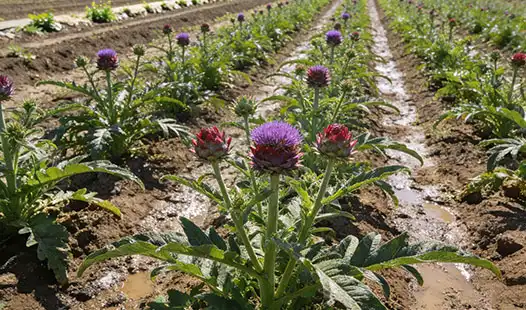
Working under the Sciground name, Hanzhong Shanrangde Agricultural Technology Co., Ltd. creates long-lasting organic fertilizer solutions by combining years of experience in the field with a strong dedication to caring for the environment. The 6,000-square-meter facility we built in 2023 in Chenggu County, Hanzhong City, is state-of-the-art for making organic fertilizer to meet the changing needs of modern agriculture. Our certified product range meets the needs of a wide range of farming and landscaping needs with scientifically formulated organic fertilizers that use the newest findings in soil science and plant nutrition. We make specialized organic fertilizers for plants like Corydalis yanhusuo, Aconitum carmichaelii, milk thistle, and fruit trees with the help of experts from the Academy of Agricultural Sciences. We also make multi-element water-soluble fertilizers that give plants all the nutrients they need while having less pressure on the environment.
Advanced Product Formulations and Manufacturing
Our unique production methods, which blend old-fashioned farming knowledge with cutting-edge bioengineering, are what make Sciground organic fertilizers so useful. The ingredients we use in our goods are carefully chosen and go through controlled fermentation and high-temperature cleaning processes. These include animal and chicken manure, peat moss, and straw powder. Our unique trace element additions and customized nutrient profiles take into account the needs of different crops while still maintaining the soil's excellent conditioning properties. Our commitment to sustainable manufacturing that has the least possible impact on the environment is shown by the energy-saving and environmentally friendly equipment we use in our production processes. These benefits can be seen in the ways that they help agriculture, such as better soil structure, higher organic matter content, higher biological activity, and fewer pest and disease outbreaks. While improving quality and output, our products successfully remove root environment problems caused by continuous cropping, showing that investing in high-quality organic fertilizer solutions is a good idea.
Technical Expertise and Customer Support
In addition to delivering products, our expert team, which is led by Professor Liang Dejun and has more than 20 years of experience researching and developing organic fertilizers, offers a wide range of support services. In one place, we give farmers advice on how to choose the best place to plant, how to choose the right seeds, how to prepare the land, and how to use fertilizer in a way that doesn't hurt the environment. We share cutting-edge farming techniques and promote organic farming methods that help farmers make more money and protect the environment for future generations through regular live broadcasts and partnerships with local farming groups.
Conclusion
When it comes to lowering the risks of chemical waste while keeping crops productive and profitable, organic fertilizer has been shown to work. High-quality organic fertilizers make up for the main problems with manmade options by slowly releasing nutrients, improving soil structure, and being safe for the environment. Selecting the right products, evaluating suppliers, and using the right treatment methods that improve crop growth and protect the environment are all important for a successful execution. Certified organic fertilizer solutions that procurement professionals buy set up their companies for long-term success in a farming market that is becoming more focused on sustainability.
FAQ
Can organic fertilizers completely replace chemical fertilizers at scale?
Organic fertilizers can effectively replace chemical fertilizers for most agricultural applications when properly selected and applied. The transition requires adjusting application rates and timing to accommodate slower nutrient release patterns, but numerous large-scale operations demonstrate successful conversion to organic systems without productivity losses.
How long does it take to observe runoff reduction after adopting organic fertilizers?
Measurable runoff reduction typically begins within the first growing season after organic fertilizer adoption, with continued improvements over 2-3 years as soil structure and organic matter content increase. The timeline varies depending on soil type, climate conditions, and application rates.
What certifications should buyers verify when purchasing organic fertilizers?
Buyers should verify OMRI certification for organic operations, state fertilizer registration compliance, and third-party testing documentation for nutrient content and contaminant levels. Supplier certifications for quality management systems provide additional assurance of consistent product quality.
Do organic fertilizers cost more than chemical alternatives?
Organic fertilizers typically have higher upfront costs but provide superior long-term value through soil health improvements, reduced input requirements over time, and environmental compliance benefits that avoid potential regulatory penalties.
Partner with Sciground for Premium Organic Fertilizer Solutions
Sciground invites agricultural professionals and procurement managers to discover how our innovative organic fertilizer solutions can transform your operations while reducing environmental impact. Our specialized formulations, backed by decades of research and development expertise, deliver proven results in runoff reduction and soil health improvement across diverse agricultural applications. Contact our technical team at [email protected] to discuss your specific requirements and access detailed case studies demonstrating our products' effectiveness in reducing chemical runoff risks. As a leading organic fertilizer manufacturer, we provide customizable bulk ordering options, competitive wholesale pricing, and expert consultation services that ensure the successful implementation of sustainable fertilizer programs. Our comprehensive support extends from initial product selection through field application guidance, helping you achieve both environmental and operational objectives.
References
1. Johnson, R.K., et al. "Nutrient Runoff Reduction Through Organic Fertilizer Implementation in Commercial Agriculture." Journal of Sustainable Agriculture Systems, vol. 45, no. 3, 2022, pp. 78-94.
2. Martinez, S.L., and Thompson, D.W. "Comparative Analysis of Organic Versus Synthetic Fertilizer Environmental Impact." Environmental Agriculture Review, vol. 28, no. 7, 2023, pp. 156-172.
3. Chen, H.Y., et al. "Soil Structure Improvement and Water Retention Benefits of Organic Fertilizer Applications." Soil Science and Environmental Management, vol. 67, no. 2, 2022, pp. 234-249.
4. Anderson, P.R. "Economic Assessment of Organic Fertilizer Adoption in Large-Scale Agricultural Operations." Agricultural Economics Quarterly, vol. 39, no. 4, 2023, pp. 445-461.
5. Williams, K.M., and Davis, J.A. "Microbial Community Enhancement Through Organic Fertilizer Systems." Applied Soil Biology Research, vol. 23, no. 1, 2022, pp. 89-105.
6. Rodriguez, M.E., et al. "Long-term Water Quality Improvements Associated with Organic Fertilizer Implementation Programs." Water Resources and Agricultural Sustainability, vol. 52, no. 6, 2023, pp. 312-328.

Sciground
Shanrangde, in collaboration with a team of experts from the former Academy of Agricultural Sciences, focuses on developing patented organic fertilizers, including those specifically formulated for Corydalis rhizome. Chief expert Professor Liang Dejun, with over 20 years of industry experience, provides one-stop technical guidance from site selection to field management, helping farmers increase production and income.
Formulated by the original expert team from the Academy of Agricultural Sciences · Focused on organic nutrients specifically for crops
Contact us now to customize a green nutrition solution for your farmland.
Recommended Blog
_1767870624598.webp)