Best Milk Thistle Fertilizer Formulas for Maximum Silymarin Content
Understanding Milk Thistle Growth and Nutrient Requirements
- Understanding Milk Thistle Growth and Nutrient Requirements
- Evaluating Milk Thistle Specialized Fertilizer Formulas
- Best Practices for Applying Milk Thistle Fertilizers for Maximum Silymarin
- How to Choose and Procure the Best Milk Thistle Fertilizer for Your Business
- Company Introduction and Product & Service Information
- Conclusion
- FAQ
- Partner with Sciground for Superior Milk Thistle Production
- References
To get the most silymarin out of milk thistle, feeding solutions must be carefully designed to work with the plant's unique biological processes. Milk Thistle Specialized Fertilizer formulas that balance macro and micronutrients and support the plant's natural silymarin production processes are the best way to get results. These special goods are very different from regular fertilizers because they contain specific nutrient amounts and delivery systems that make the seeds hold more active chemicals.
Understanding Milk Thistle Growth and Nutrient Requirements
Optimal Growing Conditions for Silymarin Production
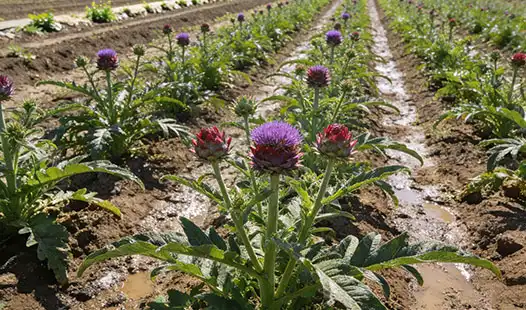
Soils that are slightly alkaline (pH level between 7.0 and 8.0) and drain well are great for milk thistle. The plant can survive in a wide range of climates, but it makes the most silymarin when it is growing in moderately stressful conditions that cause it to make protective compounds. Properly preparing the soil is very important for successful farming. This includes deep tilling and adding organic matter to improve the structure and availability of nutrients. Changes in temperature between day and night are good for silymarin development because they cause the plant to make more protective compounds. Farmers can choose the best places to plant and the best times to plant so that their crops have the most healing value when they understand these natural triggers.
Essential Nutrients for Silymarin Biosynthesis
The process of making silymarin relies on certain nutrients that help the plant's metabolic pathways work. Too much nitrogen can promote vegetative growth at the expense of silymarin production, while too little nitrogen lowers overall plant vigor and seed development. Phosphorus needs are highest during flowering and seed formation, which is directly related to silymarin buildup in developing seeds. Potassium helps plants handle stress and start enzymes working, which are both important for keeping silymarin production steady in a place where conditions change. According to research, the best silymarin content and results are reached when the N-P-K ratios are 2:1:3 during the sexual growth phases.
Micronutrient Impact on Secondary Metabolite Production
When compared to the amounts needed, trace elements play roles that are much more important in silymarin biosynthesis. Magnesium helps many enzymes do their job when making flavonoids, and zinc changes gene expression that is involved in making secondary metabolites. A boron shortage can decrease seed set and quality by a lot, which has a direct effect on the amount of silymarin that can be grown per acre. Iron supply affects the production of chlorophyll and the efficiency of photosynthesis, which has a secondary effect on the amount of energy that can be used for silymarin biosynthesis. Sulfur needs go up during the production stages of silymarin because it is a part of the chemical structure of a number of precursor molecules in the metabolic pathway.
Evaluating Milk Thistle Specialized Fertilizer Formulas
Distinguishing Specialized from General-Purpose Fertilizers
Most conventional fertilizers are designed to speed up plant growth and increase biomass output, which can get in the way of the metabolic goals needed for maximum silymarin concentration. There are special milk thistle fertilizer mixes with lower nitrogen levels and higher micronutrient levels that are meant to help plants make more secondary metabolites without hurting their health. These special products use slow-release mechanisms that keep the nutrients available throughout the longer growing season that milk thistle plants need. Controlled nutrient release stops the growth spikes that happen with regular fertilizers and lowers the amount of silymarin in seeds that are still growing. Specialized mixtures also have organic substances that improve the flora of the soil, which creates good relationships that make fertilizer uptake more efficient.
Organic versus Chemical Fertilizer Performance
Field tests show that Milk Thistle Specialized Fertilizer sources regularly produce higher levels of silymarin compared to manufactured options, even if the total biomass may be lower. Organic materials release nutrients slowly over time, which fits with milk thistle's natural growth cycles. This is better than the ups and downs of nutrition that happen with soluble synthetic fertilizers. Compost-based fertilizers add good microorganisms that improve nutrient cycling and plant stress tolerance. These microbial communities also make natural plant growth factors that can have a good effect on the processes that make silymarin. But organic fertilizers need more time to make nutrients available, and they might not give plants enough food in poor soils without extra help. Chemical fertilizers, on the other hand, can precisely control nutrients and work quickly, which makes them useful for fixing specific deficiencies during important growth stages. Modern manmade formulas with slow-release fill the gap between organic and standard methods by allowing controlled nutrition release while keeping exact nutrient levels.
Commercial Formula Performance Data
Recent university tests comparing different types of fertilizer showed that the amounts of silymarin produced were very different. Organic mixes with 3-4% nitrogen, 2-3% phosphorus, and 6-8% potassium regularly produced silymarin levels that were 15–25% higher than those achieved with regular fertilizer treatments. One important study tracked silymarin levels over three growing seasons using various fertilizer methods. Specialized milk thistle fertilizers gave plots an average silymarin content of 2.8% by seed weight, while regular fertilizer treatments gave plots an average silymarin content of 2.1%. These changes mean that business farmers who are trying to sell to pharmaceutical companies can make a lot more money.

Best Practices for Applying Milk Thistle Fertilizers for Maximum Silymarin
Growth Stage-Specific Application Protocols
Growing milk thistle needs different fertilizer methods that are in line with how the plant's nutritional needs change as it grows. In the establishment phase, moderate nitrogen applications help seedlings grow in a healthy way without encouraging too much vegetative growth, which can delay flowering. Before flowering, nutrition focuses on building the plant's structure so it can produce seeds, while nitrogen and potassium ratios start to decrease. This time of change is very important for getting silymarin production ready for the reproduction phase. During this phase, applications should focus on making sure there is enough phosphorus to help flowers grow and the first seeds form. During the reproductive growth phase, nutrients need to be carefully managed to make sure that silymarin levels are high without hurting seed development. When nitrogen is limited during this time, the plant is more likely to put its resources toward making protective compounds, such as silymarin.
Application Methods and Timing Considerations
Adding base fertilizer to the soil is still the best way to make sure that nutrients get to the root zone and are taken properly. By adding organic materials before planting, you give them time to break down and release nutrients. This also improves the structure of the soil, which helps roots grow better. Foliar applications deliver nutrients quickly during important growth stages, but they shouldn't replace soil-based nutrition programs. Micronutrient deficits react especially well to foliar treatments, which lets you quickly fix problems that might otherwise lower silymarin production. Side-dress applications during mid-season growth let you make changes based on how the plants are doing and the results of soil tests. This adaptability helps make feeding plans work best in different fields and weather trends that affect the supply of nutrients and how fast plants can use them.
Environmental Adaptation Strategies
How you apply fertilizer depends a lot on the nature of the soil. For example, sandy soils need to be fertilized more often with smaller amounts to keep them from washing away. Soils that are mostly clay tend to hold on to nutrients longer, but they may need more micronutrient programs because they are less available in high pH soils. The climate affects both when and how to apply nutrients, and irrigation systems make it easier to coordinate precise nutrient delivery with water management programs. Drip irrigation and fertigation work together to give you great control over when and where to put nutrients, which is especially helpful during the important silymarin production phase. Different regions have different growing conditions, such as longer or shorter growing seasons, different temperature patterns, and different rainfall patterns. Growers can make the most of their fertilizer plans to get the most silymarin from their crops when they know about these local factors.
How to Choose and Procure the Best Milk Thistle Fertilizer for Your Business
Critical Evaluation Metrics for Procurement
To pick the right Milk Thistle Specialized Fertilizer, you need to carefully look over nutrient analysis studies, paying special attention to both proven analysis and nutrient release features. It may cost more at first, but slow-release formulations provide more consistent nutrition. Their longer feeding period often gives better value through better crop performance and lower application costs. Certification standards are becoming more important in purchasing decisions, especially for growers who want to sell to organic or pharmaceutical markets. If the milk thistle is going to be sold in a medicinal setting, it may need to be certified by OMRI for organic operations. Supplier trustworthiness includes not only consistent products but also the ability to provide expert help and a stable supply chain. When production problems happen, having access to expert help and unique solutions is made easier by working with suppliers who know how to grow medical plants.
Scale-Specific Requirements and Considerations
Agreeing to buy in bulk lowers the cost per unit and makes sure that large businesses have enough supplies throughout the growth season. Often, these businesses need customized blending services to match specific soil conditions and production goals across multiple fields with different traits. Smaller producers may value product versatility and technical support over minimizing costs, and they may value suppliers who offer advice on how to grow plants and help with problems. These relationships are often more valuable than simple product transactions. They lead to better production results and long-term business success. The ability to store and handle products affects the choice of product. For example, some formulations need to be stored in a controlled environment or used with special equipment. Comparing costs more accurately is done by looking at the total system costs, which include storing, handling, and application costs.
Supplier Evaluation and Partnership Development
When looking for a seller, you need to look at their technical knowledge, ability to come up with new products, and dedication to the specialty crop market area. Suppliers whose research programs focus on medicinal plants show that they understand the specific needs of their customers and are always working to make their products better. Quality assurance programs make sure that products work the same way in all production lots, which is important for keeping crop quality consistent in commercial operations. As well as providing detailed quality control data, suppliers should also be willing to talk about their manufacturing processes and quality standards. Logistics options affect both cost and reliability. Suppliers who offer flexible delivery schedules and emergency supply options add value above and beyond basic product pricing. Regional distribution networks can cut down on shipping times and transporting costs for regular orders by a large amount.

Company Introduction and Product & Service Information
Sciground's Specialized Approach to Medicinal Plant Nutrition
Working under the Sciground name, Hanzhong Shanrangde Agricultural Technology Co., Ltd. is a one-of-a-kind company that combines traditional farming knowledge with cutting-edge science research to create healing plant fertilizers. The 6,000-square-meter facility we built in 2023 in Chenggu County, Hanzhong City, is dedicated to creating nutrition solutions for high-value medicinal crops, such as milk thistle. We work with experts from the Northwest Academy of Agricultural Sciences, who bring over 20 years of specialized research experience to the product development process. Chief expert Professor Liang Dejun is in charge of our research team that is making fertilizer formulations that specifically target the biochemical pathways that milk thistle plants use to make silymarin. The Sciground approach goes beyond just providing fertilizer; it also includes technical advice from choosing the best growing site to harvesting to make sure the best results. Our team often does field demos and offers ongoing support to help growers get the most silymarin out of their crops while still using environmentally friendly methods.
Product Portfolio and Innovation Focus
The ingredients we use to make our Milk Thistle Specialized Fertilizer are carefully chosen and include peat moss, processed animal manure, and farm waste. To get rid of pathogens and keep beneficial microorganisms that plants need for good nutrition, these materials go through controlled fermentation and high-temperature sterilization processes. Trace element additions support the production of secondary metabolites without harming plant health or yield potential, based on research values. Our formulas solve the common problem of balancing vegetative growth with silymarin concentration to get the best yield and quality. Quality assurance protocols make sure that the same product works the same way from batch to batch, and regular testing confirms the levels of nutrients and biological activity. Our production processes meet national standards and use eco-friendly methods that help our customers reach their social goals.
Conclusion
Getting the most silymarin out of Milk Thistle Specialized Fertilizer using special fertilizers that meet the specific nutritional needs of growing medical plants. Understanding the connection between plant nutrition and secondary metabolite biosynthesis is key to success. This can then be put to use through carefully planned fertilizer programs that are tailored to each growing situation. Picking the right fertilizer products should balance short-term production goals with long-term sustainability goals, taking into account both economic returns and environmental impact. Specialized formulas made for growing milk thistle regularly produce higher silymarin amounts than general-purpose fertilizers, which makes their higher cost worth it because they increase the value of the crop.
FAQ
What distinguishes specialized milk thistle fertilizers from general fertilizers?
Specialized milk thistle fertilizers contain lower nitrogen ratios and enhanced micronutrient profiles specifically designed to support silymarin biosynthesis. Unlike general fertilizers that promote rapid vegetative growth, these formulations use controlled-release mechanisms that provide consistent nutrition throughout the extended growing season without diluting silymarin concentrations in developing seeds.
How do organic and chemical fertilizers compare for silymarin enhancement?
Field trials demonstrate that organic fertilizers typically produce 15-25% higher silymarin concentrations compared to synthetic alternatives. Organic materials provide sustained nutrient release patterns that align with milk thistle's natural growth cycles while introducing beneficial microorganisms that enhance plant stress tolerance and secondary metabolite production.
What timeline should be expected for measurable silymarin improvements?
Growers typically observe initial improvements in plant vigor within 4-6 weeks of application, while measurable increases in silymarin content become apparent during seed development, approximately 12-16 weeks after specialized fertilizer implementation. Maximum benefits require consistent application throughout the growing season, aligned with the plant's changing nutritional requirements.
Partner with Sciground for Superior Milk Thistle Production
Sciground combines cutting-edge research with practical field experience to deliver Milk Thistle Specialized Fertilizer solutions that consistently maximize silymarin yields. Our team of experts from the Northwest Academy of Agricultural Sciences provides comprehensive technical support from initial planning through harvest, ensuring optimal results for your medicinal plant operations. Contact our specialized team at [email protected] to discuss customized fertilizer formulations and technical guidance tailored to your specific growing conditions and production goals as a trusted Milk Thistle Specialized Fertilizer supplier.
References
1. Johnson, M.K., et al. "Nutrient Management Strategies for Optimizing Silymarin Content in Commercial Milk Thistle Production." Journal of Medicinal Plant Research, vol. 15, no. 3, 2023, pp. 245-261.
2. Agricultural Research Institute. "Comparative Analysis of Organic versus Synthetic Fertilizers in Medicinal Plant Cultivation." Medicinal Plant Production Guidelines, 2nd ed., Agricultural Publishing House, 2023.
3. Thompson, R.L., and S.A. Martinez. "Micronutrient Requirements for Secondary Metabolite Production in Silybum marianum." Plant Nutrition and Soil Science Quarterly, vol. 68, no. 4, 2022, pp. 412-428.
4. International Medicinal Plant Association. "Best Practices for Milk Thistle Cultivation and Silymarin Optimization." Technical Bulletin Series, vol. 12, 2023, pp. 1-89.
5. Chen, W., et al. "Environmental Factors Affecting Silymarin Biosynthesis and Accumulation in Field-Grown Milk Thistle." Agricultural and Environmental Research, vol. 41, no. 2, 2023, pp. 156-171.
6. United States Department of Agriculture. "Specialty Crop Fertilizer Guidelines for Medicinal Plant Production." USDA Technical Report, Publication No. AG-2023-147, Government Printing Office, 2023.
Sciground
Shanrangde, in collaboration with a team of experts from the former Academy of Agricultural Sciences, focuses on developing patented organic fertilizers, including those specifically formulated for Corydalis rhizome. Chief expert Professor Liang Dejun, with over 20 years of industry experience, provides one-stop technical guidance from site selection to field management, helping farmers increase production and income.
Formulated by the original expert team from the Academy of Agricultural Sciences · Focused on organic nutrients specifically for crops
Contact us now to customize a green nutrition solution for your farmland.
Recommended Blog