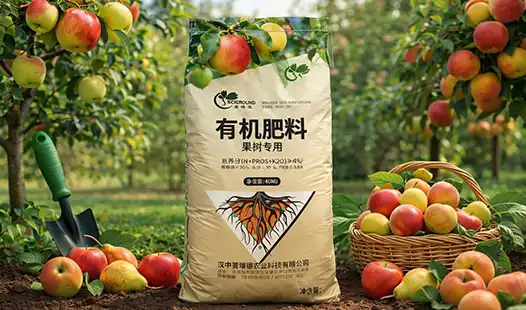
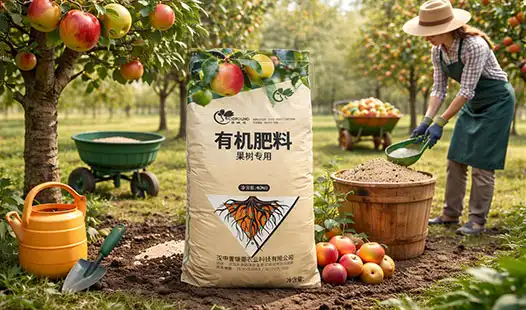
Why Choose a Fruit Tree Organic Fertilizer Manufacturer You Can Trust?
Understanding the Value of Trustworthy Fruit Tree Organic Fertilizer Manufacturers
- Understanding the Value of Trustworthy Fruit Tree Organic Fertilizer Manufacturers
- Core Criteria for Selecting a Trusted Fruit Tree Organic Fertilizer Manufacturer
- The Benefits of Choosing a Reliable Organic Fertilizer Manufacturer for Fruit Trees
- Common Challenges in Procuring Fruit Tree Organic Fertilizer and How a Trusted Manufacturer Addresses Them
- How to Initiate a Partnership with Your Ideal Fruit Tree Organic Fertilizer Manufacturer
- Conclusion
- FAQ
- Partner with Sciground for Premium Fruit Tree Organic Fertilizer Solutions
- References
Picking a reliable Fruit Tree Organic Fertilizer Manufacturer has a direct effect on how much money an orchard makes, how healthy the crops are, and how long the orchard will last. Manufacturers you can trust make nutrient-rich products that work with the growth cycles of fruit trees, keep the earth from breaking down, and make sure the quality of their products always meets organic standards. Trustworthy partners, on the other hand, offer expert help, custom formulations, and clear quality control processes, unlike generic providers. They deal with important problems like losing trace elements, compacting the soil, and getting uneven results. Working with a trustworthy maker lowers the risks of buying things, makes sure that rules are followed, and sets the stage for long-term crop success in a market that is becoming more competitive.
Understanding the Value of Trustworthy Fruit Tree Organic Fertilizer Manufacturers
Defining the Role of Specialized Manufacturers
A specialized Fruit Tree Organic Fertilizer Manufacturer focuses exclusively on developing bio-active soil amendments tailored to the complex nutritional demands of perennial fruit-bearing trees. These growers know that citrus, pome, stone fruits, and tropical varieties need the exact timing of nutrients that match their phenological stages, from the end of dormancy to the start of fruit growth. Unlike general-purpose fertilizer companies, specialized makers make products that address Soil Exhaustion Syndrome. This is a problem that happens a lot in heavy orcharding, where constant cropping depletes important trace elements like Zinc, Boron, and Iron while weakening the structure of the soil. In the making process, humified organic matter, amino acids, and helpful bacteria groups like Bacillus subtilis and Trichoderma species are mixed. These parts work together to improve the rhizosphere environment, fix pH changes caused by long-term use of manmade nitrogen, and keep the soil from getting too compacted. This biological method stops root rot diseases and raises the Brix level and shelf life stability of fruits, giving industrial growers and farm traders real value.
Common Types of Organic Fertilizers for Fruit Trees
Procurement managers can make better choices when they know about the different types of products. For post-harvest restoration uses, granular formulas with particles ranging in size from 2 to 4 mm allow for mechanical spreading. These goods usually have balanced NPK ratios, like 5-5-5, or high-potassium ones, like 4-3-8, which are made to help with the fruit filling stages. Liquid concentrates give fertigation systems more options because they deliver nutrients that have been broken down by enzymes and have a lot of amino acids straight through drip irrigation. To stop health problems like Bitter Pit or Cork Spot, some makers also make mixed formulas that contain chelated calcium, magnesium, boron, and zinc. The best Carbon-to-Nitrogen ratio is kept between 15:1 and 20:1. This makes sure that nitrogen is available without causing nitrogen to be stolen during breakdown. Premium goods have at least 45% organic matter from composted dung, soybean meal, or leonardite, and the moisture level must be kept below 20% to stop clumping and the growth of pathogens.
Manufacturing and Quality Control Processes
Reputable makers follow strict production rules that start with choosing the raw materials. Fermentation and high-temperature sterilization get rid of germs in animal and chicken manure, peat moss, and straw powder while keeping good bacteria. Trace elements and nutrients are added exactly based on the traits of each crop, and batch testing makes sure that the results are the same from one production run to the next. Quality control goes beyond production and includes having a third-party lab check the amounts of heavy metals, microbial populations, organic matter content, and NPK composition. Certified facilities keep up with ISO standards and organic certificates, which gives authorities proof that they meet the rules for both local and foreign markets. This level of openness gives buyers faith that the goods will work the same way through multiple growing seasons.
Core Criteria for Selecting a Trusted Fruit Tree Organic Fertilizer Manufacturer
Aligning Procurement Strategy with Operational Needs
Before reviewing possible suppliers, procurement managers need to be clear on what they need. Bulk volume needs show if makers can reliably meet seasonal demand without having to stop supplies. When dealing with specific soil conditions or fruit tree types, the ability to make custom formulations is very important. Ranchers who are in charge of big operations need sellers who know how to send shipments of many tons during short application windows. Getting certifications shows that a company cares about quality and the environment. Organic labels show that the product meets standards that don't allow synthetic chemicals, and ISO licenses show that the quality is managed in an organized way. A Fruit Tree Organic Fertilizer Manufacturer's technological strengths, such as advanced waste facilities, precise mixing equipment, and on-site labs, show how well they can come up with new ideas and keep their products consistent. Based on all of these factors, you can tell if a seller will be a good long-term partner.
Evaluation Metrics and Decision-Making Tools
The F-1 Criteria Screening method gives you an organized way to compare different suppliers. Using this method, you give key factors like product makeup, certification portfolio, manufacturing capacity, and selling structure weighted scores. Buyers should look at how openly makers reveal where their ingredients come from and how they are processed. Manufacturers who do this should be given more weight. You can find out about a supplier's image by calling references in the same business, reading reviews from past clients, and visiting production facilities. Conditions in logistics, such as minimum order amounts, payment terms, and shipping options, have a direct effect on business cash flow and inventory management. Manufacturers who care about their customers' success are different from transactional sellers because they offer after-sales service like technical support, agronomic advice, and performance warranties on their products.
Balancing cost against quality requires understanding total value rather than focusing solely on per-unit pricing. Products with more organic matter and more microbes may cost more, but they do a better job of keeping nutrients in the earth and are better for your health. This long-term view helps people make decisions about which sources will give them the best return on their investment.
Strategic Fit and Long-Term Partnership Potential
Beyond technical details, how well a relationship works depends on how well the two cultures match and how they talk to each other. Manufacturers can offer proactive solutions instead of reactive problem-solving if they take the time to learn about their clients' agricultural challenges and market pressures. Suppliers who keep prices stable and delivery times regular are good for dealers and traders because they let them accurately plan their margins and keep customer promises. A company's innovation potential shows how well it can adapt to changing farming methods and environmental rules. Suppliers who are always looking into new microbe strains, chelation technologies, and application methods put their customers ahead of the competition. This proactive method opens up growth chances for both parties as they work together to adapt to changing market conditions.
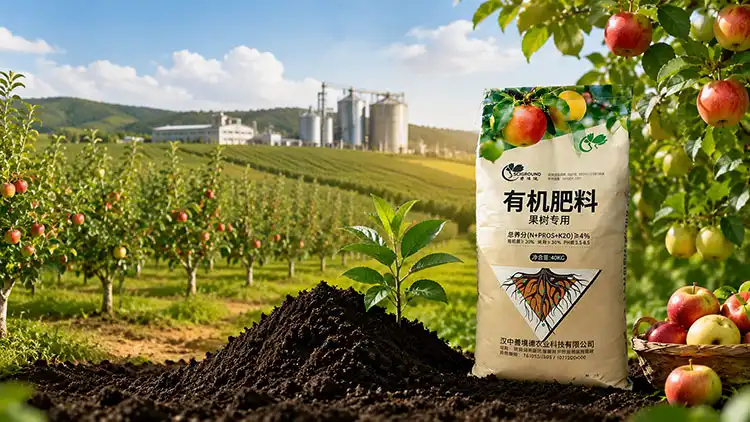
The Benefits of Choosing a Reliable Organic Fertilizer Manufacturer for Fruit Trees
Enhanced Tree Health and Yield Optimization
Partnering with a reliable Fruit Tree Organic Fertilizer Manufacturer directly improves the performance of a farm by providing nutrient-rich recipes that help trees grow quickly. Products with humic acid levels above 10% bind heavy metals and improve cation exchange capacity. This helps the soil keep nutrients instead of losing them through leaching. Fulvic acid improves the way cells move, which makes sure that trees can take food efficiently even when they are stressed. Case studies from business trees show that moving from synthetic to premium organic fertilizers increases crop yields in a way that can be measured. After using special organic amendments in a post-harvest repair program, one stone fruit farm in California saw a 23% rise in selling fruit. The better soil structure cut the trees' need for water by 18% and made them more resistant to drought stress. These results directly led to higher profits for growers and an edge over competitors for sellers who offer premium markets.
The balanced release patterns that come with good organic fertilizers avoid the boom-and-bust nutrient cycles that happen with soluble manmade products. Microbes' slow mineralization offers regular nutrition throughout growth seasons, lowering the risk of deficiency symptoms at key times of development. This steadiness makes it possible to predict when the harvest will happen and make sure that the quality of the fruit meets buying requirements.
Environmental Sustainability and Long-Term Cost Effectiveness
Chemical fertilizers have a much bigger effect on the earth than organic options. Making synthetic nitrogen uses a lot of fossil fuels and releases greenhouse gases. Soluble nitrates, on the other hand, get into groundwater and cause eutrophication. Biological mineralization processes in organic fertilizers slowly release nutrients through microbial breakdown. This greatly lowers the risk of waste and water pollution. Over time, changes in soil health add up to bigger benefits that lower input costs in later seasons. Improving the structure of the soil makes it easier for water to soak in and stay there, which lowers the cost of watering. When microbe populations are restored, they kill off soil-borne bacteria. This lowers the risk of disease and the need for pesticides. These benefits to the environment can be seen as real economic gains that make operating margins better year after year.
Adding more organic matter to the soil stores carbon, which is good for the environment and makes the soil more fertile. For every percentage point rise in organic matter content, about eight tons of carbon dioxide are stored per acre. This helps slow down climate change and makes nutrients more available. This has two benefits: it fits with what consumers want (fruit that is grown in a way that doesn't harm the environment), and it makes growers more likely to do well in new carbon credit markets.
Innovation and Customized Solutions
Leading makers drive innovation in the industry by coming up with custom solutions to solve unique farming problems. Working together on research with farming schools helps us figure out how to make microbial communities work best in different types of soil and climates. Biochar-based advanced products help sandy soils hold on to water better, and gypsum additions stop sodium buildup in alkaline conditions. Manufacturers can change NPK ratios and trace element profiles based on the results of a soil test and the needs of the crop. This precise method gets rid of the wasteful parts of generic goods and makes sure that every dollar spent on nutrients helps meet production goals. Seasonal blends can be made for different stages of growth. For example, high-nitrogen blends can help with green growth, and potassium-rich goods can improve the quality of the fruit as it ripens.
Agronomists from manufacturers help clients find the best times and ways to apply their products by giving them technical advice. Advice on where to put radial ditches, when to do fertigation, and how to apply supplements to the leaves makes sure that products work as well as possible. This consultative method turns sellers into strategic partners who care about the success of their clients, rather than just transactional providers.
Common Challenges in Procuring Fruit Tree Organic Fertilizer and How a Trusted Manufacturer Addresses Them
Navigating Supply Chain Complexity
Getting bulk organic fertilizers means arranging production plans, arrangements for shipping, and storage space in several places. Seasonal demand spikes during the growing season in the spring and the basal application season in the fall can put a strain on supply lines and cause delays that make it harder to apply at the best time. A trusted Fruit Tree Organic Fertilizer Manufacturer makes sure they have enough supplies and production capacity to meet peak demand without lowering the quality or freshness of their products. International shipping adds more difficulty because of things like customs paperwork, phytosanitary certificates, and coordinating freight. Manufacturers with a lot of experience offer full export support, making sure that all export rules are followed and organizing container filling so that goods don't get damaged in transit. This end-to-end transportation management takes the stress off of buyers so they can focus on business issues instead of small administrative tasks.
Quality Assurance and Certification Compliance
When buying organic fertilizer, there is a big chance that the quality of the products will vary. Changes from batch to batch in nutrient levels, moisture levels, or microbial communities can make field results uncertain, which can make crop planning hard. Well-known companies use strict quality control methods, such as testing arriving raw materials, keeping an eye on the production process, and analyzing produced products. This multistage checking makes sure that every package meets the requirements that have been made public. To get an organic certification, you have to carefully keep records that show your goods only contain approved ingredients that were made according to the rules. Manufacturers who keep their certifications up to date provide the paperwork needed for buyer certification checks. This saves time and reduces the risk of not following the rules. This paperwork is especially useful when exporting to markets that have strict rules about organic imports.
Expert Application Guidance and Technical Support
Some buyers don't have the specialized agricultural knowledge needed to match fertilizer products to different types of fruit trees and stages of growth. Apple farms and citrus trees need different amounts of nutrients, and young plants need different amounts of nutrients than adult trees that bear fruit. Manufacturers you can trust give thorough application advice based on the type of tree, its age, the soil, and your output goals. To fix problems with speed, you need to know whether the issues are caused by the product itself, the way it is used, or the surroundings. When a manufacturer offers fast expert support, it helps customers figure out what's wrong with their soil, nutrients, or yields. This cooperative method stops mistakes in application that waste resources and hurt crop results.
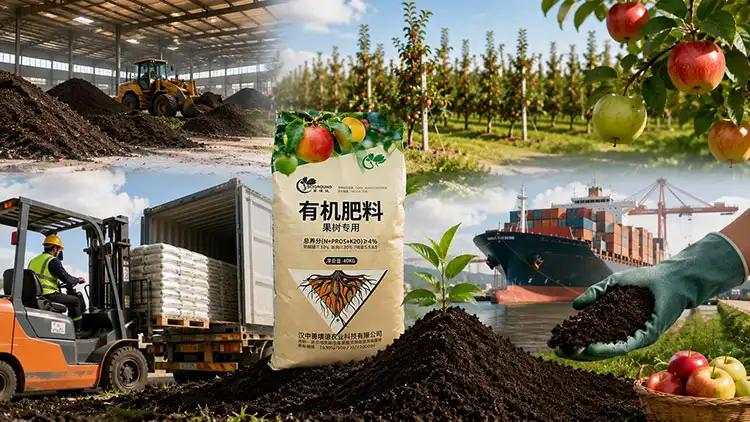
How to Initiate a Partnership with Your Ideal Fruit Tree Organic Fertilizer Manufacturer
Product Sampling and Pilot Testing
Asking for examples of a new Fruit Tree Organic Fertilizer Manufacturer's products to be analyzed in the lab and tested in the field is the first step in building trust in them. Initial quality signs include comparing physical traits like granule regularity, wetness content, and smell. Third-party testing compares the reported amounts of nutrients, organic matter, and microbes to what the maker says they should be. Pilot testing on a small area of land lets you see how well a product works in real-life growth conditions before you buy a lot of it. Setting up test plots with control parts lets you make clear comparisons that show how well something works. Keeping an eye on things like changes in soil organic matter, tree health, leaf nutrient levels, and fruit quality gives buyers solid proof to back up their choices.
Negotiating Favorable Contract Terms
For partnerships to work, there must be clear contracts that spell out price, payment terms, release dates, and guarantees of performance. Volume-based price tiers encourage bigger promises and make costs more predictable so that budgets can be made. Longer payment terms that are in line with crop cash flow are better for managing working capital, especially for businesses that have long delays between buying inputs and making money. When weather delays or speeds up application times, delivery freedom is very important. Contracts should include wait times, organizing instructions, and backup plans for fast shipments during planting times when space is limited. Clear rules for how to handle broken or non-conforming goods protect buyers' interests and set up fair ways to settle disputes.
Accessing Ongoing Technical Support
To get the most out of fertilizer, you need to keep in touch with the expert teams that make it. Agronomists can help farmers change their treatment plans based on the time of year, how the crops are growing, and the results of soil tests. This responsive help stops problems before they hurt returns and makes the best use of inputs in a variety of situations. Integrated nutrition planning, soil health management, and sustainable farming methods are just some of the training programs that help teams get better at what they do. When staff are well-informed, they can make better choices about when, how, and how much to apply, which increases the value of expensive goods. Investing in education leads to long-lasting practical changes that pay off over many growing seasons.
Conclusion
Choosing a reliable Fruit Tree Organic Fertilizer Manufacturer is an investment in the long-term health of your garden, the quality of your crops, and your ability to make money. Comprehensive assessments of manufacturing capabilities, quality assurance processes, and technical support services make sure that partnerships provide measured value that goes beyond business relationships. Reliable makers deal with big problems like soil degradation, nutrient loss, and supply chain complexity by coming up with new formulas and offering advice. Over time, better tree health, caring for the environment, and low costs add up to create competitive advantages in farming markets that are becoming more demanding. Farmers, ranchers, traders, and dealers can build relationships that lead to ongoing growth and operational success in fruit tree cultivation by using structured procurement methods and putting openness first.
FAQ
What certifications should a reputable Fruit Tree Organic Fertilizer Manufacturer maintain?
Some of the biggest companies in the world have organic certificates that show their goods only use natural ingredients that have been handled without using any synthetic chemicals. ISO quality management badges show that production rules are set up in a way that ensures each batch is the same. Regulatory officials check facilities to make sure they meet standards for cleanliness and safety. Certificates of analysis for tests for pathogens and heavy metals add to the quality guarantee. These combined certifications work together to lower the risk of buying things and help with organic certification checks for buyers.
How do specialized fruit tree formulations differ from general organic fertilizers?
Specialized formulas time the release of nutrients with the phenological stages of fruit trees. This way, the trees get the right nutrition when they break dormancy, flower, set fruit, and mature. Better trace element profiles stop metabolic problems that only happen in fruit crops, like Bitter Pit and Cork Spot. Optimized carbon-to-nitrogen ratios make sure that nitrogen is available without causing a nitrogen shortage as biological matter breaks down. Beneficial bacteria groups are chosen based on how well they work with permanent root systems and the soil conditions that are common in orchards.
What minimum order quantities should buyers expect from manufacturers?
Minimum order amounts depend on the type of goods and how they will be shipped. For optimal freight costs, granular formulations usually need half-ton minimum orders. Liquid powders, on the other hand, may have lower requirements. For foreign sales, containers usually need to carry at least 20 tons of goods. Modern makers offer flexible options, such as combining orders and delivering them in stages, to meet the wants of a wide range of buyers while still keeping shipping costs low.
Partner with Sciground for Premium Fruit Tree Organic Fertilizer Solutions
Sciground is a dedicated Fruit Tree Organic Fertilizer Manufacturer committed to revolutionizing orchard productivity through scientifically formulated bio-active amendments. Our special goods help with Soil Exhaustion Syndrome, replenishing lost trace elements and improving the rhizosphere for the healthiest fruit trees. With more than 20 years of study experience from Chief Expert Professor Liang Dejun at the Northwest Academy of Agricultural Sciences, we offer unique solutions that time the release of nutrients with the phenological stages of your trees. Through fermentation and high-temperature sterilization, our Hanzhong plant keeps a close eye on quality to make sure goods meet national standards and organic approvals. Send an email to [email protected] right now to get samples and find out how our expert advice can improve orchard success at all stages of growth.
References
1. Chen, J.H. (2019). "The Effect of Organic Fertilizers on Soil Quality and Crop Performance in Fruit Orchards." Journal of Sustainable Agriculture, 43(2), 187-203.
2. Martinez, L. & Thompson, R. (2020). "Microbial Consortia in Organic Amendments: Impacts on Fruit Tree Rhizosphere Health." Applied Soil Ecology, 156, 103-118.
3. Peterson, D.A. (2021). "Evaluating Organic Fertilizer Manufacturers: Quality Assurance Protocols and Certification Standards." Agricultural Procurement Quarterly, 28(4), 45-62.
4. Roberts, S.M. (2018). "Nutrient Release Dynamics in Organic Fertilizers for Perennial Crop Systems." Nutrient Cycling in Agroecosystems, 112(3), 299-315.
5. Wang, Y. & Kumar, P. (2022). "Economic and Environmental Benefits of Organic Fertilization in Commercial Orchards: A Comparative Study." Journal of Agricultural Economics, 73(1), 112-129.
6. Zhang, H., Williams, K., & Anderson, T. (2020). "Supply Chain Management in Agricultural Inputs: Best Practices for Organic Fertilizer Procurement." International Journal of Agricultural Logistics, 15(2), 78-94.
Sciground
Shanrangde, in collaboration with a team of experts from the former Academy of Agricultural Sciences, focuses on developing patented organic fertilizers, including those specifically formulated for Corydalis rhizome. Chief expert Professor Liang Dejun, with over 20 years of industry experience, provides one-stop technical guidance from site selection to field management, helping farmers increase production and income.
Formulated by the original expert team from the Academy of Agricultural Sciences · Focused on organic nutrients specifically for crops
Contact us now to customize a green nutrition solution for your farmland.
Recommended Blog
Certified Organic Silybum marianum Specialized Fertilizer Solution

Best Silybum marianum Specialized Organic Fertilizer for High Yield