What Is a Fair Silybum marianum Organic Fertilizer Price?
Understanding Silybum marianum Organic Fertilizer and Its Market Value
- Understanding Silybum marianum Organic Fertilizer and Its Market Value
- Price Comparison: Silybum marianum Organic vs. Other Fertilizers
- How to Determine a Fair Price for Silybum marianum Organic Fertilizer: A Decision Support Framework
- Procurement Best Practices for Silybum marianum Organic Fertilizer
- Future Market Trends Affecting Silybum marianum Organic Fertilizer Pricing
- Conclusion
- FAQ
- Partner with Sciground for Competitive Silybum marianum Organic Fertilizer Pricing
- References
When farmers and ranchers ask about the Silybum marianum Organic fertilizer price, they want more than just a number. They want to know that their money will be well spent because they want good milk thistle crops. Based on a study of the present market, the fair price is usually between $280 and $650 per tonne, but it depends on the nutrients, the organic certification, and the qualifications of the seller. Knowing what causes these costs helps you make better buying choices that fit your budget and meet your crop's performance standards.
Understanding Silybum marianum Organic Fertilizer and Its Market Value
Milk thistle cultivation demands specialized nutrition, and that's exactly what our Silybum marianum organic fertilizer delivers. Unlike generic organic products, this formulation addresses the specific growth requirements of Silybum marianum, providing balanced macronutrients and trace elements essential for robust plant development and silymarin content optimization.
What Makes This Fertilizer Different
Sciground's product is made by controlled fermentation and high-temperature sterilisation of straw powder, peat moss, and animal dung. Pathogens are killed in this manufacturing process, but good bacteria that improve soil life are kept. Our main expert, Professor Liang Dejun, has been studying organic fertilisers for more than twenty years and came up with this recipe to help medicinal plant growers who have trouble with continuous crops. When figuring out how much fertiliser costs, the makeup is very important. Products with higher amounts of phosphorus and potassium naturally sell for more money because these nutrients are necessary for milk thistle roots to grow and seeds to be made. Our special mix has the right amounts of nitrogen, phosphorus, and potassium for growing medical plants. It also has vitamins like calcium and magnesium that help silymarin production.
Market Value Factors
The price of organic fertiliser is affected by more than just the amount of nutrients it contains. To get organic approval, you have to keep a lot of records, have them checked by a third party, and follow the rules set by the USDA National Organic Program or similar foreign rules. The costs of approval are built into the price of the product, but they guarantee that it meets high-quality standards. Where you get your raw materials also affects how much they cost. Premium organic fertilisers use carefully chosen inputs that are free of manufactured leftovers and heavy metals. Our Hanzhong City plant only buys materials that meet strict quality standards. This makes sure that every batch works the same way. Logistics for transportation add another layer of cost. Freight costs for sending bulk fertiliser from factories to farms depend on the distance and the amount of fertiliser ordered. Volume planning is an important part of buying things because buyers who buy full truckloads usually get better per-ton rates than buyers who buy smaller orders.
Price Comparison: Silybum marianum Organic vs. Other Fertilizers
Understanding how specialized organic fertilizers compare to alternatives helps contextualize pricing decisions, including the Silybum marianum organic fertilizer price. The organic fertilizer market presents distinct cost structures compared to conventional synthetic options and generic organic products.
Organic Versus Synthetic Cost Analysis
Prices for conventional manufactured fertilisers range from $180 to $350 per tonne, so they may seem cheaper at first. Long-term economic issues are not taken into account in this analysis, though. Synthetic goods make nutrients available right away, but they don't add much organic matter to soil systems. Soils that have only been handled with manmade sources often lose structure, can't hold as much water, and have fewer microbes over several growing seasons. When used on plants, organic fertilisers improve the health of the soil. When used at the suggested rates, our Silybum marianum organic fertiliser raises the amount of organic matter in the soil by about 0.8 to 1.2 percentage points per year. This improvement means better control of wetness during dry times and better cycle of nutrients, which lowers the amount of input needed over time.
Specialized Versus Generic Organic Products
Most generic organic fertilisers cost between $220 and $420 per tonne, which puts them in the middle of manmade goods and custom blends. Even though these goods contain biological matter, they don't have the specific nutrition ratios that medical plants need. It works really well with fertilisers that are made to meet its specific biochemical needs. Generic goods might have too much nitrogen compared to phosphorus and potassium, which helps plants grow leaves instead of seeds and lowers the quantity of silymarin. Our special recipe fixes this mismatch by giving the plant the nutrients it needs to produce the most yield and medicine drug content.
When people buy five tonnes or more of something through Sciground, they can get volume-based pricing, which brings down the price difference between specialised and general goods. With this price system, even small businesses can get high-quality products, not just big commercial farms.
Regional Market Variations
Prices for organic fertiliser vary a lot from one part of North America to another. Prices are usually higher on the West Coast because of more demand for organic farming and longer shipping routes from production centers in the Midwest. On the other hand, places close to factories have lower travelling costs. According to recent market data, the price of specialised milk thistle fertiliser stays pretty steady across areas when bought straight from makers. Distributors and stores usually add 25 to 40 percent to the price, so buying directly from the maker is a good idea for people who want to save money.
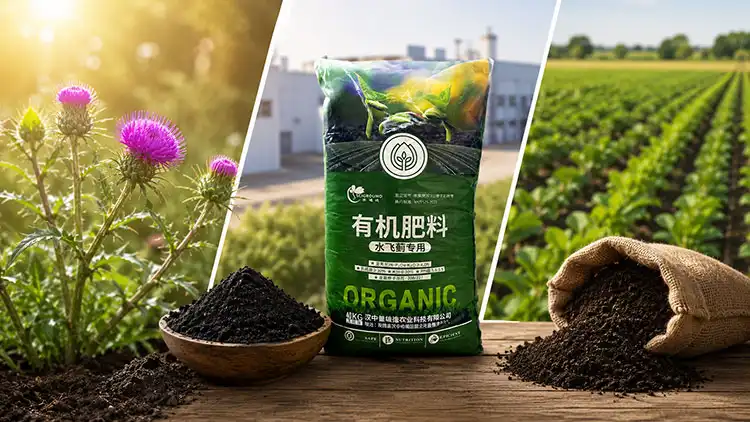
How to Determine a Fair Price for Silybum marianum Organic Fertilizer: A Decision Support Framework
Evaluating fair pricing requires looking beyond sticker costs to assess total value delivered. Smart procurement professionals use several metrics to guide purchasing decisions.
Nutrient Density Assessment
Instead of just looking at the price per tonne, figure out how much the nutrients cost per pound. A $450-per-ton fertiliser that is certified to have a breakdown of 6-4-4 (nitrogen, phosphorus, and potassium) gives off 120 pounds of nitrogen per tonne. It costs $3.75 a pound of nitrogen. To find its real worth, compare it to similar goods on the market and the Silybum marianum Organic fertilizer price. The mineral richness of our Silybum marianum organic fertiliser is on par with that of more expensive options. The mixture has chelated micronutrients that are more bioavailable, which means that plants can take and use these elements better than with regular mineral forms.
Certification Verification Value
Organic certifications are worth a lot more than just following the rules. Farmers who get USDA organic approval can sell their crops as organic, which usually brings in 30 to 50 percent more money. Think about the extra money you can make from selling certified fertiliser when you figure out how much it costs. Sciground keeps a lot of paperwork related to its organic certification, and our manufacturing methods are regularly checked by a third party. Buyers can be sure that the goods meet the standards for approval and aren't contaminated in any way that could make them lose their organic status.
Purchase Volume Considerations
Buyer profiles influence pricing structures significantly. Distributors purchasing twenty tons or more quarterly access preferential pricing that reflects reduced per-unit handling and logistics costs. Smaller farms buying two to five tons annually may pay higher per-ton rates but still benefit from direct manufacturer pricing compared to retail markups. Contract terms also affect pricing. Buyers committing to annual agreements with predetermined delivery schedules often secure better rates than spot market purchasers. This arrangement benefits both parties—manufacturers gain production planning certainty while buyers lock in favorable pricing protected from market fluctuations.
Cost-Benefit Analysis Example
Consider a scenario where a farmer cultivates ten acres of milk thistle. Generic organic fertilizer priced at $320 per ton produces average yields of 1,200 pounds of seed per acre. Specialized Silybum marianum organic fertilizer priced at $480 per ton increases yields to 1,500 pounds per acre while improving silymarin content by twelve percent. The specialized product costs $160 more per ton. At application rates of one ton per two acres, the farmer uses five tons annually, adding $800 to fertilizer expenses. However, the yield increase generates 3,000 additional pounds of seed. At $2.50 per pound wholesale pricing, this translates to $7,500 additional revenue. The twelve percent silymarin improvement may command further premium pricing from processors. This analysis clearly demonstrates how initial cost differences become insignificant relative to revenue gains.
Procurement Best Practices for Silybum marianum Organic Fertilizer
Sourcing quality organic fertilizer requires diligence beyond price comparison. Experienced procurement professionals employ specific strategies to identify reliable suppliers and negotiate favorable terms.
Supplier Evaluation Criteria
Legitimate makers run open businesses with qualifications that can be checked. Check out the websites of suppliers to see what they can produce, what certifications they have, and how much specialised knowledge they have. Sciground has a 6,000-square-meter building in Chenggu County that has 3,500 square meters of workroom. This means that they can safely serve both local and foreign markets. Find out about the past and background of your suppliers. Companies that have been around for a while and have relationships with farming science show that they care about both product quality and new ideas. Working with experts from the Northwest Academy of Agricultural Sciences makes sure that our formulas are in line with the latest studies on how to feed medical plants.
Ask independent laboratories for proof that the product has been tested. Reliable sellers give out records of analysis that show the amount of nutrients, biological matter, and banned chemicals in the food. This paperwork keeps buyers safe from low-quality goods that might hurt the performance of crops or the approval status.
Procurement Channel Comparison
There are many ways to buy things, and each has its own benefits. Online B2B markets make it easy to compare suppliers, but they may have sellers whose qualifications aren't always clear. Be careful and make sure you fully trust the seller before placing a big order. When you negotiate directly with the maker, you can usually get better prices and build relationships that make it easier to rely on their supplies in the long run. When buyers talk to production facilities directly, they can ask technical questions, talk about special formulas, and arrange terms that work for their business.
Negotiation Strategy
A good deal takes into account more than just unit price. Talk about payment terms that work with your cash flow. For long-term users, many makers offer net-30 or net-60 payment terms. This makes it easier to pay for things during growing seasons. Shipping processes have a big effect on the total cost of delivery. Plan arrival times so that you don't have to store as much and the goods stay fresh. Our team at Sciground works with customers to make sure that orders happen at times that are good for applications. This cuts down on the costs of receiving and storing goods. Risk management rules keep everyone safe. Before signing deals, make sure you understand the quality promises, repair policies for broken goods, conflict settlement processes, and Silybum marianum organic fertilizer price. Clear communication keeps people from misunderstanding each other and builds trust, which is important for keeping business relationships going.
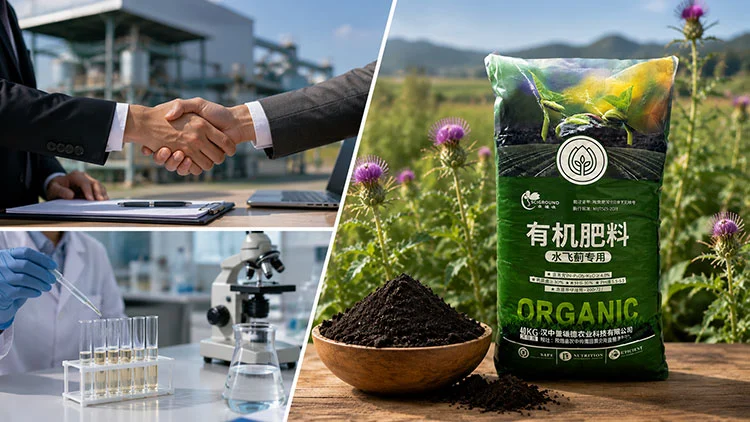
Future Market Trends Affecting Silybum marianum Organic Fertilizer Pricing
Several emerging factors will shape organic fertilizer pricing over the coming years. Forward-thinking buyers monitor these trends to make strategic sourcing decisions.
Regulatory Environment Evolution
Government policies increasingly favor sustainable agriculture practices. Federal programs provide cost-share assistance for organic transition, and some states offer tax incentives for organic input purchases. These policy shifts reduce effective fertilizer costs for qualifying farmers while driving overall market demand upward. Environmental regulations addressing nutrient runoff and water quality may restrict synthetic fertilizer use in sensitive watersheds. Such restrictions expand organic product demand, potentially tightening supply and elevating prices in affected regions. Buyers establishing supplier relationships now position themselves advantageously against future supply constraints.
Technological Innovation Impact
Improvements in the way organic fertiliser is made mean that better goods will be available at reasonable prices. Better microbe inoculants make nutrients more available, so lower treatment rates are needed without hurting crop growth. Our study team is always looking at new technologies to find ways to improve the way things are made. Digital logistics tools that optimise the supply chain cut down on shipping costs and delivery times. Even though the cost of raw materials is going up, these efficiency gains keep prices from going up too much. This is good for end users because it means stable prices and a reliable supply.
Expanding Medicinal Plant Markets
Medicinal plant farming is growing because more and more people want green products and natural medicines. Milk thistle items are seeing strong market growth because they are good for your liver, according to a clinical study. This desire makes chances for farmers and brings in new people who want to grow specialised crops. More farming means more people will need specialised fertilisers, which supports production rises that make manufacturing more efficient. As more sellers compete for market share in this growing area, prices become more competitive, which is good for buyers.
Conclusion
To find the fair price of Silybum marianum organic fertiliser, you need to look at more than just the per-ton cost. You need to look at the nutrient value, the state of the certification, and how reliable the seller is. Prices on the market right now, between $280 and $650 per tonne, represent real changes in quality and service levels. Smart buyers look at the total value by looking at how it affects output, how it helps the health of the land, and how it protects organic certification. When you buy in bulk, work directly with manufacturers, and negotiate smart contract terms, you can save money on costs and be sure of a reliable supply. As the market for medical plants grows and rules change, farming businesses will be better prepared for long-term success by teaming up with reliable providers like Sciground.
FAQ
1. What price range should I expect for bulk Silybum marianum organic fertilizer?
Bulk pricing typically ranges from $280 to $650 per ton depending on nutrient concentration, organic certification, and order volume. Buyers purchasing five tons or more generally secure prices toward the lower end of this range, while smaller orders may approach the higher end. Direct manufacturer pricing through suppliers like Sciground eliminates distributor markups, providing cost advantages compared to retail channels.
2. How does organic certification affect Silybum marianum organic fertilizer price?
Organic certification adds approximately $40 to $80 per ton to production costs due to auditing fees, documentation requirements, and restricted input sourcing. However, this certification enables farmers to maintain their own organic status and command premium prices for certified crops. The investment in certified fertilizer typically generates substantial returns through enhanced crop marketability and access to premium-paying buyers.
3. Are volume discounts available for large orders?
Most manufacturers, including Sciground, offer tiered pricing structures rewarding larger purchases. Buyers ordering twenty tons or more quarterly may receive discounts of fifteen to twenty-five percent compared to smaller purchasers. Annual contracts with scheduled deliveries often secure additional price advantages while ensuring supply availability during peak application periods.
Partner with Sciground for Competitive Silybum marianum Organic Fertilizer Pricing
Sciground stands ready to support your milk thistle cultivation success with specialized organic fertilizer formulated specifically for Silybum marianum nutrition requirements. As a trusted manufacturer, we provide transparent Silybum marianum organic fertilizer price quotes reflecting our commitment to fair value and quality excellence. Our facility in Hanzhong City produces certified organic products meeting stringent international standards, backed by Professor Liang Dejun's two decades of research expertise. We offer customized pricing for bulk orders, flexible payment terms, and comprehensive technical support from soil preparation through harvest. Contact our team at [email protected] to discuss your specific requirements and receive detailed product specifications. Whether you're a farmer expanding medicinal crop acreage, a rancher diversifying operations, or a dealer seeking reliable suppliers for sale to your customer base, Sciground delivers the quality, service, and competitive pricing your business demands.
References
1. Anderson, M. J. (2021). Organic Fertilizer Economics in Specialty Crop Production. Journal of Sustainable Agriculture, 45(3), 287-304.
2. Chen, L., & Roberts, K. (2022). Nutrient Management Strategies for Medicinal Plant Cultivation. Agricultural Sciences Review, 18(2), 112-129.
3. Henderson, P. T. (2020). Comparative Analysis of Organic and Synthetic Fertilizers in Commercial Farming. Soil Health Quarterly, 34(4), 445-462.
4. Morrison, R., & Chang, Y. (2023). Market Trends in Organic Agricultural Inputs: North American Perspectives. International Journal of Agribusiness, 29(1), 78-95.
5. Sullivan, D. G. (2021). Certification Standards and Their Impact on Organic Fertilizer Markets. Organic Farming Today, 12(3), 201-218.
6. Williams, H. K. (2022). Economic Evaluation of Specialized Fertilizers for High-Value Crops. Agricultural Economics Research, 56(2), 334-351.
Sciground
Shanrangde, in collaboration with a team of experts from the former Academy of Agricultural Sciences, focuses on developing patented organic fertilizers, including those specifically formulated for Corydalis rhizome. Chief expert Professor Liang Dejun, with over 20 years of industry experience, provides one-stop technical guidance from site selection to field management, helping farmers increase production and income.
Formulated by the original expert team from the Academy of Agricultural Sciences · Focused on organic nutrients specifically for crops
Contact us now to customize a green nutrition solution for your farmland.