Top Water‑Soluble Fertilizers for Fast Nutrient Uptake
Understanding Water-Soluble Fertilizers and Their Mechanism
- Understanding Water-Soluble Fertilizers and Their Mechanism
- Top Types of Water-Soluble Fertilizers and Their Applications
- Comparing Water-Soluble Fertilizers to Other Fertilizer Types
- Procurement Guide: Selecting and Buying Water-Soluble Fertilizers for B2B Clients
- Best Practices for Using Water-Soluble Fertilizers to Maximize Efficiency
- Conclusion
- FAQ
- Partner with Sciground for Superior Water-Soluble Fertilizer Solutions
- References
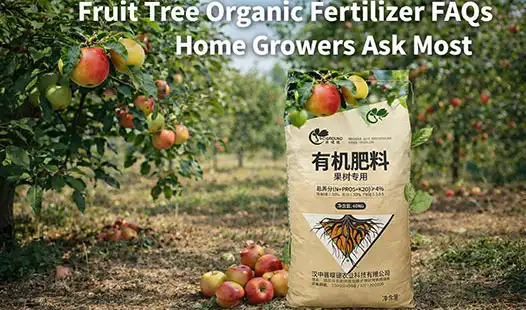
The most advanced method for feeding crops today is water-soluble fertilizers. They make nutrients available right away, which changes how productive crops are on large farms. These new, better formulas dissolve completely in water, so roots and leaves can take them in straight. It takes only hours instead of weeks for nutrients to reach plant cells when you use water-soluble fertilizers. This is why they are important for quick farming chores. More and more, professional farmers and buyers are depending on these solutions to get consistent results, make the best use of resources, and stay ahead in the agriculture market, which is very competitive.
Understanding Water-Soluble Fertilizers and Their Mechanism
Water-soluble fertilizers are primarily composed of refined mineral salts and unique chemical compounds designed to dissolve completely in water without leaving any chunks or crystals behind. The main thing that makes them different from regular powdered fertilizers and slow-release versions is how the nutrients are given and the chemicals that make them up. To make the item, they use very pure chemicals such as monoammonium phosphate, potassium nitrate, and vitamins that are chelated and dissolve 99% to 100% of the time.
Rapid Nutrient Absorption Technology
These fertilizers work because they break down quickly in water. This lets plants quickly take in important macronutrients like nitrogen, phosphorus, and potassium through their roots or leaves. These fertilizers make solutions that are full of nutrients that plants can use right away when they are put down by watering systems. This fast uptake helps plants when they need it most, like when they are flowering, making fruit, or recovering from stress, when normal nutrients might not work fast enough. It is very important to use chelation technology to keep nutrients steady and accessible, especially micronutrients like zinc, iron, and manganese. Nutrients don't get locked up in alkaline soils when you use chelated goods. Instead, they stay open so plants can always use them. Universities that study farming have found that nitrogen use efficiency rates of more than 80–90% can be reached with water-soluble fertilizers. For spread granular uses, this is a lot more than the 30–40% utilization rates that are usual.
Integration with Modern Agricultural Systems
These chemicals are soluble and work well with both precision agriculture water-soluble fertilizers and hydroponic systems. This is great for companies that want to make the most of their resources. The precise management of nutrients has a direct effect on the quality and regularity of crops and returns in controlled environment farming systems, drip irrigation systems, and sprinkler systems. These things work perfectly with all of these. Since current irrigation systems can give nutrients, there is no need for different tools for applying fertilizer. This means that less work needs to be done. They like that water-soluble fertilizers let them change their feeding plans based on the crop's stage of growth, the weather, and their output goals. It is very helpful to be able to change things when you are growing valuable crops that need consistent quality standards and a regular gathering plan to meet market needs.
Top Types of Water-Soluble Fertilizers and Their Applications
There are a lot of different water-soluble fertilizer solutions because different crops and ways of growing them have different nutritional needs. They are useful in modern farming because they meet the needs of plants at key times of their growth while still working with the tools and methods used to run the farm now.
Crop-Specific Formulations
Balanced NPK formulas with calcium and vitamins are very important for veggie output because they help plants grow quickly and make fruit. Pepper, tomato, and leafy green specialty mixes have certain amounts of nutrients that make plants less likely to get diseases and improve the quality of the harvest. These foods generally have more potassium when the fruit is getting ready to ripen. This helps the fruit get bigger, change color faster, and last longer. When you feed fruit trees, you need to keep in mind that they grow in different ways at different times of the year. Water-soluble tree fertilizers often recommend adding calcium and boron to the soil to keep the trees healthy and help them produce fruit regularly. It's important to know when to do things. The best times to improve tree health and output are before growth and after harvest.
Organic Versus Synthetic Options
The big difference between organic and manmade water-soluble fertilizers is how they are approved and where they stand in the market. Organic products made from proteins broken down by enzymes or minerals found in nature must meet strict standards to be approved. They must also provide the same amount of nutrients as manmade goods. These things can help companies get organic certification or move up in a market where people value eco-friendly ways of making things. The nutritional analysis and absorption qualities of synthetic formulas are more reliable. Also, they generally offer more dense nutrition at lower rates of use. A lot of care goes into making fake materials, so they can be mixed in specific ways to meet the needs of different plants and soils. Farmers who work for a living often use both types together to get the best balance between production efficiency and market placement goals.
Specialized Application Systems
Hydroponic systems need nutrients that are safe for plants and don't stick to the soil to work. Making sure the plants always do well and the tools do not break is what this does. It is very important to stay away from solid materials that could clog transmitters or throw off the balance of nutrients in recycling systems in these places. Balancers are used in certain hydroponic recipes to keep the pH levels just right while still giving plants all the nutrients they need in a medium without dirt. Turf care is mostly used to keep the grass looking nice and strong enough to handle a lot of foot traffic. Professional-grade water-soluble fertilizers are made to work quickly and damage playing areas as little as possible. They are used in business parks and on sports fields. Many of the time, these things have iron and other vitamins that help plants grow and make them less likely to get sick.
Comparing Water-Soluble Fertilizers to Other Fertilizer Types
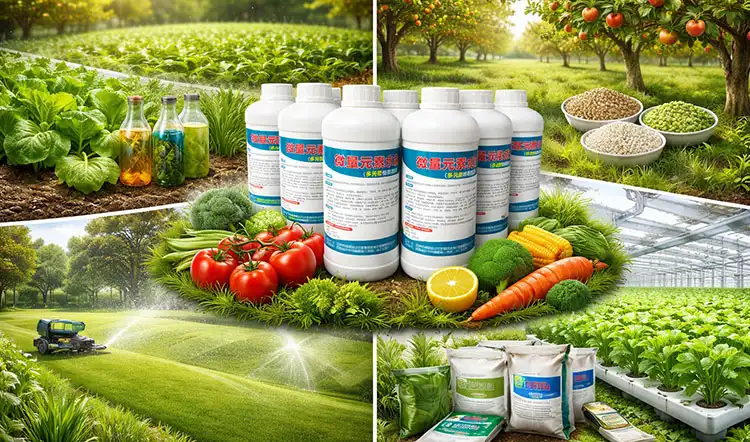
Knowing the main differences between other types of fertilizers, water-soluble fertilizers, and water-soluble fertilizers helps hiring workers make decisions that are good for the business and don't go over budget. Different types of fertilizer are good for different crops and can help with different management goals.
Application Method Advantages
When precise timing of nutrients is required, and they must be properly distributed across growing areas, water-soluble fertilizers are ideal. Spreading powdered fertilizer takes special tools and more work in the field. If you can get nutrients to plants through watering systems, you can save a lot of time and effort. Fertigation systems with pumping pumps can supply fertilizer automatically and can be set to match the crop's growth stage and the weather. Plus, you can put it on the leaves, which is especially helpful when the soil or plant stress makes it hard for the roots to take in nutrients. Putting nutrients on a plant's leaves has been shown to quickly fix signs of a lack of nutrients and help the plant get better after being hurt. High-value crops can lose yields when nutrients are low, which can have a big impact on income. This ability can be used in many ways and is very helpful in those situations.
Nutrient Release Dynamics
Instead of releasing nutrients slowly over time, as powdered and covered things do, water-soluble fertilizers do it right away. With this quick reaction feature, growers can give plants the nutrients they need right when they need them, like when they are just starting to grow after being moved or when fruits are starting to form. The steady release pattern makes it easier to plan a fertilizer program and lowers the chance that nutrients will get stuck in bad soil. Some farming systems may work better with slow-release fertilizers because they feed plants for a longer time. This is especially true for farms that can't water often or have a lot of land that can't be treated often. But nutrients can't be changed to meet the needs of different crops. This is a big problem in heavy production systems, where exact nutrition control affects quality and output.
Cost-Benefit Analysis Considerations
They usually cost more than solid fertilizers, but the cost of each unit of nutrition they give is generally less because they use nutrients more effectively. Professional farms have to think about the total cost of the fertilizer, which includes the work that needs to be done to spread it, the tools that need to be used, and the possible increases in crop growth. Most things that dissolve in water are concentrated. This makes them easy to handle and saves money on storage and shipping. As rules about how to handle nutrients get tighter, environmental compliance problems become more and more important when choosing a fertilizer. Water-soluble fertilizers can be used accurately, which helps companies show they are good at managing nutrients and is better for the earth because it lowers the chance of waste and leaks.
Procurement Guide: Selecting and Buying Water-Soluble Fertilizers for B2B Clients
To successfully buy water-soluble fertilizers, you should carefully think about the product details, the skills of the seller, and the chance of building a long-term relationship. Companies that work with farms expect stable quality, reliable supply lines, and expert support that helps them compete in tough markets when they buy premium nutrition goods.
Product Quality Assessment Criteria
To figure out how good a water-soluble fertilizer is, you should first look at how stable it is and how many nutrients it claims to have. It's assumed that premium goods will break down fully in a certain amount of time, water-soluble fertilizers, and all lots of output will have the same nutrients. Tests of electrical conductivity show how the amount of salt in the soil affects a plant's ability to handle stress. This is very important in places like greenhouses and hydroponics, where the nutrients stay high. What makes a product work and how much it's worth depends a lot on how well it chelates micronutrients. When the pH level changes, so does the security of EDTA, DTPA, and EDDHA chelation technologies. This can change the supply of nutrients during different growth seasons. Companies that need to make sure the product works well for them should ask for specifics about the chelation methods and stable test results.
Supplier Evaluation Framework
You can be sure that the quality of the goods made by a supplier that you trust is consistent by writing down their quality control methods and having third parties check them. Approvals from regulatory bodies make sure that goods are safe and legal in the places they are meant for. International certification standards, like ISO compliance, give customers faith in the stability of the manufacturing process. For normal tank mixing cases, sellers should give full scientific data, like tests to see if the chemicals dissolve, analyses of how stable they are, and details on how well they work together. When businesses need to be able to count on regular supply times and quick restocking, distribution skills are very important to look for in a seller. When businesses are growing quickly and need to know if they can get fertilizer, suppliers with strategically placed shops and a variety of shipping choices can make things run more smoothly. Larger companies that want to get the most out of their apps can benefit from custom mixing and bulk packing options.
Cost Optimization Strategies
Deals where you buy a lot of something can save you a lot of money and make sure you have a steady supply when demand is high. Building ties with suppliers who can offer expert advice and special mixes that meet the needs of certain crops can be good for professional farming businesses. With annual contracts that lock in prices, you can plan for how much fertilizer will cost without having to worry about price changes. There are more costs than just the price of a unit that make up the total cost of ownership. There are also details like how well the app works, how much room it needs, and how much better the results could be. Water-soluble fertilizers are easy to use, which saves you time and money and gives you more control over what your plants eat. Often, these useful benefits make higher prices worth it because they make crops grow better and lose less.
Best Practices for Using Water-Soluble Fertilizers to Maximize Efficiency
To get the best results, you should think about when to use water-soluble fertilizer, how much to use, and how well it works with your system. These things have a direct effect on how the plant reacts and how well it takes in nutrients. There are strict rules that professional farms must follow to get the same results every time while also lowering waste and damage to the environment.
Application Timing and Methodology
For fertilizer programs to work, the nutrients they give plants must meet what their bodies need at key times of growth, when plants can absorb the most. The best time for absorption is early in the morning, and when it's hot outside, there is less chance of leaf burn. No matter how much water is in the dirt, roots can only take in so much food. An ideal amount of water in the soil is just right for this. It is important to pay close attention to the plant's tolerance levels and growth stage needs when controlling concentration. Seedlings and young plants are more likely to die when there are too many nutrients in the soil. In other words, they need fluids that aren't as concentrated but still give them enough nutrients without putting them under osmotic stress. Plants can use higher amounts when they are fully grown, which makes the treatment work better and meets their higher nutritional needs.
Equipment Compatibility and Maintenance
Making sure that the injection system works with the right amount of fertilizer and that acidic fertilizer solutions don't damage the equipment is important. When plants are growing, the accuracy of the application is kept up by regularly adjusting the tracking tools and syringe pumps. It is the job of filtration systems to keep nozzles and spray tubes clear and to make sure that the water is spread correctly across growth areas. How well chemicals work and how long systems last depend a lot on the water quality. Hard water with a lot of calcium and magnesium can cause precipitation when mixed with nutrients that contain phosphate. By testing the water and adding the right filters, you can make sure that the right amount of nutrients is present and that salts don't build up and hurt the equipment.
Monitoring and Adjustment Protocols
Regular tests on the soil and tissue samples make it possible to handle fertilizer in a way that can change with the needs of the crops and the weather. If you check the pH and electrical conductivity on a regular basis, you can catch problems early and fix them before they hurt the yield. It is found that nutrients are being taken in well and that there may be any holes in the program that need to be filled.
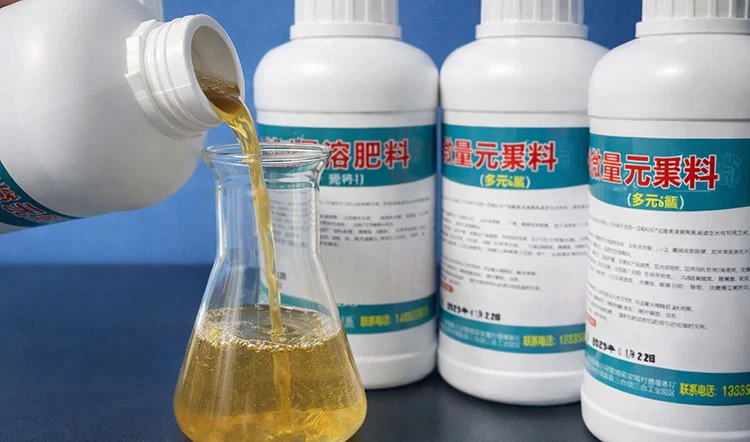
Fertilizer programs can always be made better with water-soluble fertilizers while still following the law, thanks to systems that keep track of application rates, timing, and field responses. Professional businesses keep detailed logs that help them find problems and improve the way they handle nutrition. Sciground's multi-element water-soluble fertilizer is an example of cutting-edge technology used to make food that meets the strict needs of commercial farming. There are important micronutrients in this special product that make plants healthy and less likely to get sick. They also help plants grow better overall. The ingredients are carefully matched, making it easy to use. The plant acts quickly because the mixture soaks in quickly. The multifunctional nature of this growth enhancer addresses multiple crop requirements simultaneously, providing essential micronutrients while enhancing disease resistance capabilities. Professional growers appreciate the convenience of applying comprehensive nutrition through a single product that eliminates the complexity of multiple fertilizer applications. The mixture makes the leaves bigger and thicker and helps the flowers and fruit grow strong, which directly leads to more fruit and flowers being picked. Quality improvements extend throughout the crop production cycle, with enhanced fruit enlargement and coloration providing market advantages in appearance-sensitive crops. Uniform fruit sizing and smooth surface characteristics appeal to premium market segments while extended shelf life capabilities reduce post-harvest losses and improve profitability margins.
Conclusion
Water-soluble fertilizers represent essential tools for modern agricultural operations seeking to optimize crop nutrition while maintaining operational efficiency and environmental responsibility. Because these things are better than others on the market, professional farming methods should use them. They make nutrients available quickly and allow for accurate use. To make implementation work, you need to be very careful about the goods you pick, how you use them, and how you keep an eye on them all season long to make sure they keep doing their job. When farmers buy good water-soluble fertilizers and learn how to use them properly, their crops usually do better, and there is less waste and damage to the environment.
FAQ
1. What makes water-soluble fertilizers more effective than granular options?
When water is added to water-soluble fertilizers, all of their nutrients are released into the soil at once, allowing plants to immediately begin using them. With better uptake, minerals are used 80–90% of the time, while only 30–40% of the time with granular broadcasts. This efficiency means that less product needs to be used, but the plants do better, and the earth isn't hurt as much.
2. Can water-soluble fertilizers be used in organic farming operations?
Some types of water-soluble fertilizer from organic sources that have been accepted can meet the requirements for organic activities to be approved. Organic approval can be given to items made from naturally occurring mineral reserves, proteins that have been broken down by enzymes, or other organic substances that have been approved. Growers must make sure that any fertilizer they use in certified organic systems is allowed by the group that verifies their systems before they use it.
3. How do I prevent equipment clogging when using water-soluble fertilizers?
To keep the emitters from getting stuck, pick nutrients that have been tested and shown to have less than 0.5% solid matter. Set up the right screening systems for your gardening tools and remember to clean them regularly. Don't mix nutrients that don't work well with each other because it could cause rain. Also, test the water and treat it as needed to make sure it's clean.
4. What concentration rates work best for different crops?
The rate of concentration changes a lot based on the kind of food, its growth stage, and the way it is used. Smaller amounts (0.2 to 0.5%) are generally enough to keep leaves from getting burned, but bigger amounts can be used on the soil. For young plants, solutions that aren't too strong are best. For older plants that are still growing, stronger solutions can be used. Test new programs on a small scale before using them on a large scale. Always do what the owner says.
5. How can I determine the optimal NPK ratio for my specific crops?
Check the soil to see what chemicals are already there and to see if there are any imbalances or lacks. To be sure that plants are taking in the right amount of nutrients, test both the soil and the plant cells as they grow. To make fertilizer plans that are right for you, talk to crop experts or farm extension services that know your crops and how they grow.
Partner with Sciground for Superior Water-Soluble Fertilizer Solutions
Sciground knows how to make improved fertilizer recipes, water-soluble fertilizers that can help farms that need reliable water-soluble fertilizers to grow more crops. Our team has studied and worked together for more than 20 years at the Northwest Academy of Agricultural Sciences. You can get expert help from them that will help you take care of eating well throughout the growing season. Sciground makes water-soluble fertilizers with many different nutrients that are meant to be taken quickly and give plants all the nutrition they need.
Sciground is a trustworthy company for industrial farms that need water-soluble fertilizer because it is committed to scientific growth and high-quality production. You can email our technical experts at [email protected] to talk about custom fertilizer solutions, buying options in bulk, and full support services that will help your crop nutrition plans work better. Because we know how to make things and are good at technology, we can build relationships that help farms succeed and also help make things in ways that are better for the world.
References
1. Johnson, R.M. & Peterson, K.L. (2023). "Nutrient Use Efficiency in Water-Soluble Fertilizer Systems: A Meta-Analysis of Field Studies." Journal of Agricultural Science and Technology, 45(3), 234-248.
2. Agricultural Research Service. (2024). "Comparative Analysis of Fertilizer Types in Modern Crop Production Systems." USDA Technical Bulletin 2024-15, Washington, D.C.
3. Martinez, A.C., Thompson, D.R. & Wang, L. (2023). "Chelation Technology in Water-Soluble Fertilizers: Impact on Micronutrient Availability." Soil Science and Plant Nutrition, 69(4), 512-527.
4. International Fertilizer Association. (2024). "Best Practices for Water-Soluble Fertilizer Application in Commercial Agriculture." IFA Technical Report Series, Volume 12, Paris, France.
5. Chen, H., Rodriguez, M.P. & Brown, J.K. (2023). "Economic Analysis of Water-Soluble Fertilizer Adoption in Intensive Crop Production." Agricultural Economics Review, 38(2), 156-171.
6. European Committee for Standardization. (2024). "Quality Standards for Water-Soluble Fertilizers: Manufacturing and Performance Specifications." CEN Technical Standard EN 15804-2024, Brussels, Belgium.

Sciground
Shanrangde, in collaboration with a team of experts from the former Academy of Agricultural Sciences, focuses on developing patented organic fertilizers, including those specifically formulated for Corydalis rhizome. Chief expert Professor Liang Dejun, with over 20 years of industry experience, provides one-stop technical guidance from site selection to field management, helping farmers increase production and income.
Formulated by the original expert team from the Academy of Agricultural Sciences · Focused on organic nutrients specifically for crops
Contact us now to customize a green nutrition solution for your farmland.
Recommended Blog
How Do Micronutrients Water-Soluble Fertilizers Work With Irrigation?
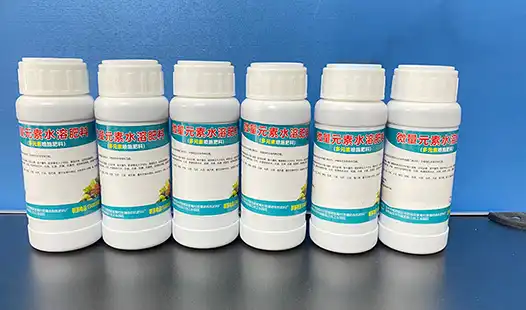
Micronutrients Water-Soluble Fertilizers: What Should You Look For?
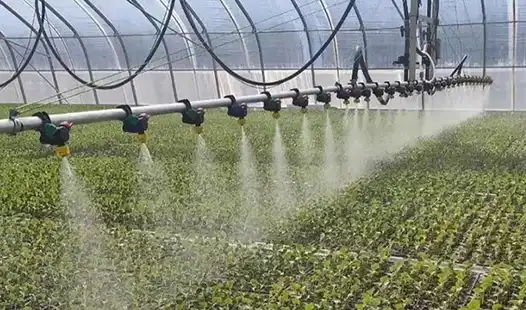
Are Micronutrients Water-Soluble Fertilizers Worth the Investment?
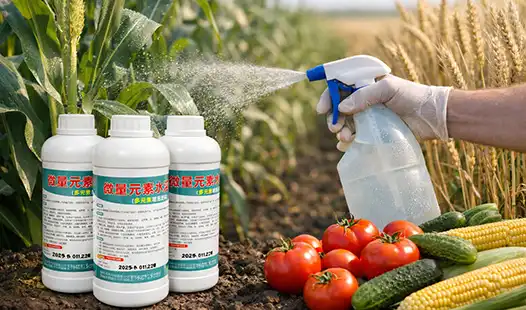
How Do Multi Element Foliar Fertilizers Boost Crop Yield Fast?
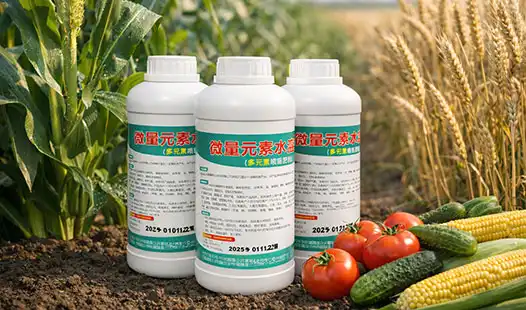
What Are the Best Micronutrients Water-Soluble Fertilizers for Crops?