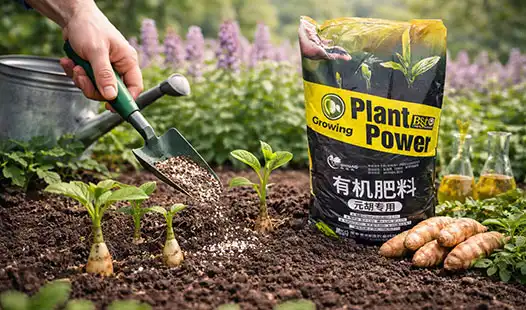
Professional Leaf Application Fertilizers for Gardeners
Understanding Leaf Application Fertilizers: Types, Benefits, and Working Principles
- Understanding Leaf Application Fertilizers: Types, Benefits, and Working Principles
- Leaf Application Fertilizers vs Other Fertilization Methods: A Comparative Decision Guide
- Best Practices & Application Guidelines for Leaf Application Fertilizers
- Procurement Insights: How to Choose, Source, and Evaluate Leaf Application Fertilizers
- Future Trends and Innovations in Leaf Application Fertilizers
- Conclusion
- FAQ
- Partner with Sciground for Premium Leaf Application Fertilizer Solutions
- References
Professional leaf application fertilizers for farmers are a completely new way to feed plants. They give important nutrients directly through the leaf surfaces so that plants can absorb them quickly and perform better. These special foliar spraying fertilizers don't need to be mixed with dirt as most other fertilizers do. Instead, they work quickly and effectively to improve plant health, growth, and food yield. Modern leaf application fertilizers have many benefits, such as balancing the pH, making plants more resistant to stress, improving soil structure, and producing higher-quality crops for business and specialized horticulture operations.
Understanding Leaf Application Fertilizers: Types, Benefits, and Working Principles
Leaf application fertilizers are a unique way to give nutrients that is very different from traditional methods of fertilizing the soil. These new products work by providing nutrients straight through the leaf surfaces, using the plant's own stomata and cuticular layers to absorb them quickly. Foliar applications give plants quick access to important nutrients during key growth stages, unlike traditional soil fertilizers that need to be taken up by the roots and moved through the plant's vascular system.
How Leaf Application Fertilizers Work
Transcuticular uptake and stomatal absorption are at the heart of leaf application of fertilizers. When used properly, these fertilizers don't go through the complicated soil-root contact at all. Instead, they go straight to the photosynthetic tissues, where they can be used right away by the plant's metabolism. This direct delivery method is especially helpful when natural factors like drought, temperature extremes, or soil pH imbalances make it hard for roots to take in nutrients.
Multi-element foliar spraying fertilizers are very good at fixing nutritional deficiencies quickly—within hours instead of days or weeks like soil applications need. The fast reaction is because nutrients go straight into the leaf tissue, skipping the time-consuming steps of breaking down the earth, being absorbed by the roots, and being moved through the plant's transport system.
Types and Classifications of Foliar Fertilizers
Modern leaf application products come in a variety of formulas that are made for different farming situations. Organic spray fertilizers that come from natural sources feed plants for a long time and increase the organic activity of the soil over time. Often, these mixtures have amino acids, seaweed extracts, and good bacteria that help plants handle stress and fight off diseases.
Chemical-based foliar fertilizers have exact nutrient levels and are available right away, which makes them perfect for fixing serious nutrient deficits or helping systems that grow a lot of food. Formulations high in nitrogen help plants grow leaves and make proteins, while formulas high in phosphorus help plants grow roots and flowers. Micronutrient mixes make up for specific lacks of iron, zinc, manganese, and other minor elements that plants need to grow and thrive.
In terms of foliar nutrition, specialty peptide fertilizers are at the cutting edge of technology. They use low molecular weight chemicals that get deeper into leaf surfaces than standard formulas. These high-tech goods work especially well in places with a lot of stress, where crops need to quickly recover their metabolism in order to keep producing.
Leaf Application Fertilizers vs Other Fertilization Methods: A Comparative Decision Guide
To understand the strategic benefits of leaf application fertilizers, you need to carefully compare them to other ways of fertilizing. Each way has its own benefits that depend on the needs of the crop, the surroundings, and the goals of the business.
Speed and Efficiency Comparisons
Leaf application fertilizers work great when nutrients need to be delivered right away. When plants are suddenly stressed out because of bad weather, disease, or not getting enough nutrients, spray treatments can get their metabolism back to normal within hours. Fertilizers that are mixed into the soil provide longer-lasting nutrition, but it may take days or weeks for nutrients to reach the plant's roots.
When the dirt is hard to work with, the benefits of speed stand out even more. Micronutrients like iron and zinc are often locked up in alkaline soils, so roots can't get them even when there are enough soil stores. Leaf application completely gets around these problems with the soil, making sure that plants get the nutrients they need even when the soil chemistry is limited.
Environmental Impact and Sustainability Considerations
Organic foliar fertilizers are better for the environment than standard soil treatments because they lower the risk of nitrogen runoff and groundwater pollution. Nutrients are applied straight to leaf surfaces and are taken right away. This means that very little product gets to the soil, where leaching could happen. This targeted method helps reach goals for sustainable farmland while keeping production high.
Foliar feeding works better with smaller amounts of fertilizer, which also makes fertilization plans better for the earth. Foliar programs often only need a few pounds of active ingredients to get the same effects as soil treatments, which can need hundreds of pounds per acre.
Integration Strategies for Maximum Effectiveness
For fertilization programs to work best, they use both leaf application fertilizers and soil-based feeding methods that work together. Applications to the soil provide basic nutrition and long-term nutrient stores. Applications to the leaves, on the other hand, meet instant needs and fix specific deficiencies as they happen. This unified method improves both the efficiency of nutrient use and the success of crops in a wide range of growing situations.
Growers can mix spray nutrients and pest control products in tanks, which lowers the cost of application and the amount of work that needs to be done in the field. But proper compatibility testing makes sure that the product is stable and stops crop damage from formulas that don't work together.
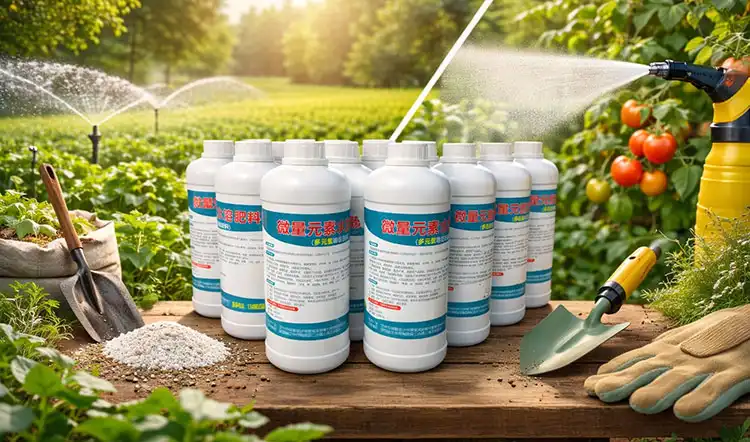
Best Practices & Application Guidelines for Leaf Application Fertilizers
To get the best results from leaf application fertilizers, you need to pay attention to the right time, the right circumstances, and the needs of the crop. Professional application procedures make sure that the plant absorbs nutrients as much as possible while reducing the risk of leaf burn and other problems.
Timing and Environmental Considerations
Conditions in the environment have a big effect on how well foliar treatments work. When you apply in the early morning or late evening, you escape the strong heat and low humidity that can dry things out quickly and make them less absorbent. High humidity levels help nutrients get into plants better by keeping leaf surfaces wet for longer, which gives plants more time to absorb them through their stomata and cuticles.
The wind conditions need to be carefully thought out to make sure even spread and stop drift to places that aren't the goal. Light winds help spread the spray widely across the leaf surfaces. Strong winds, on the other hand, can make the coverage uneven and could damage crops from concentrated deposits.
Crop-Specific Application Protocols
Foliar fertilizer needs to be done in a way that is specific to each crop. Calcium-rich mixtures are good for fruit trees because they keep them healthy during fruit growth and stop problems like bitter pit in apples and blossom end rot in tomatoes. These uses happen at the same time as fast fruit growth, a time when calcium needs are highest, and roots may not be able to provide enough.
Adding nitrogen and micronutrients to cereal crops works well during the flag leaf stage, which is when the protein content of the grains and their possible output are found. Aerial tools can be used for broadacre applications, which cover big areas quickly and evenly across the crop canopy.
Greenhouse production systems let you precisely control the application conditions. This means that you can do treatments more often and at lower concentrations, which keeps the plants' nutrition at its best without having to deal with the weather changes that make field applications more difficult. In high-humidity greenhouses, ratios need to be changed to keep stomata from burning and to get the most absorption.
Common Mistakes and How to Avoid Them
Application mistakes can hurt crops or make them less effective. Too much of something can burn leaves, especially when it's hot and dry, and water evaporates quickly, concentrating salts on the leaves' surfaces. Most issues with concentration can be avoided by following the manufacturer's instructions for reduction rates and working conditions.
When spray coverage isn't good, some parts of the crop top don't get treated, which leads to uneven plant reaction and different yields. Calibration of spray equipment makes sure that the spray is spread evenly while reducing waste and damage to the environment.
Procurement Insights: How to Choose, Source, and Evaluate Leaf Application Fertilizers
To choose the right leaf application fertilizers, you need to look at the quality of the products, how reliable the suppliers are, and how much they cost. When professionals make decisions about what to buy, they have to weigh the current nutritional needs against the long-term business reliability.
Quality Assessment and Certification Standards
Manufacturers with a good reputation give full product analyses that include promised vitamin content, pH stability, and shelf life details. Products that meet foreign quality standards have uniform safety and performance traits that are needed for business use. Getting certification from a known farming authority backs up what a product says and makes sure it follows the rules in your area.
The results of lab tests should include information on the types and amounts of nutrients, detergent packages that help the plants absorb the chemicals better, and compatible details for mixing in tanks. These technical details make it possible to compare goods and sellers smartly.
Supplier Evaluation Criteria
Reliable sellers give professional support in addition to selling products. This includes help with application, troubleshooting, and agronomic issues. Companies with skilled technical teams can help growers figure out the best way to use fertilizer plans based on the needs of each crop and the weather in the area.
Reliability in the supply chain makes sure that products are always available during key application times. When suppliers have strong delivery networks and enough supplies, they can avoid delays that cost a lot of money and hurt crop performance. When you work with the same supplier for a long time, you can often get better prices, better technical help, and faster access to new goods.
Cost-Benefit Analysis for Commercial Operations
When figuring out how much leaf application fertilizers cost, you have to look at both their direct costs and the increase in output. Even though foliar products may cost more per unit than soil nutrients, their effectiveness often means cheaper overall program costs when labor, equipment, and increased yields are taken into account.
When you figure out the return on your investment, you should include things like higher yields, better quality, and less crop loss due to disease or worry. When you charge more for better quality food, it's usually worth it to put more money into advanced plant nutrition programs.
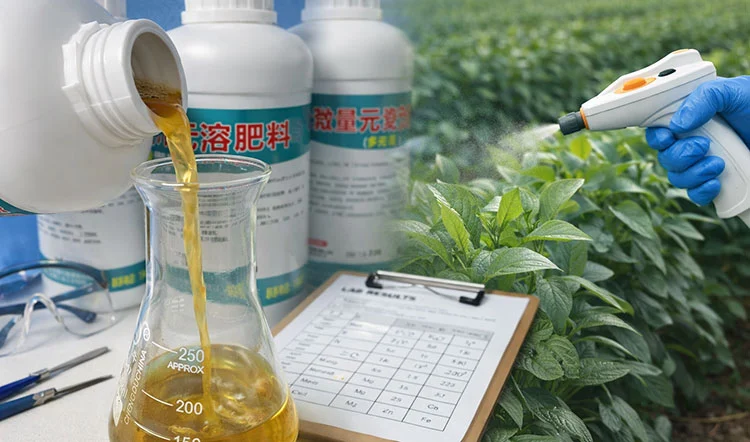
Future Trends and Innovations in Leaf Application Fertilizers
As technology improves and market needs change, the leaf application fertilizer business also changes. Procurement experts can set their businesses up for future success by understanding new trends and taking advantage of current possibilities.
Technological Innovations and Advanced Formulations
Nano-fertilizer technology is a big step forward in how efficiently nutrients are delivered. The very small bits in these formulas are better at penetrating leaf surfaces than larger ones, and they release nutrients slowly over long periods of time. Nano-enhanced goods have better uptake rates and lower application counts, according to research.
Bio-stimulant integration mixes normal nutrients with chemicals that help plants handle stress better and use their energy more efficiently. These improved products make crops more resistant to damage and keep them productive even when the environment is tough. Growers looking for all-around crop management options, like the benefits of diet and plant health.
Regulatory and Market Developments
More rules about the environment are driving the need for long-lasting fertilizer mixes that are better for the environment. As rules change to support environmentally friendly farming methods, organic and bio-based goods gain market share. Companies that invest in formulas that are safe for the environment set themselves up well for future market situations.
Product supply and prices are affected by international trade, especially for specialized formulas that need specific raw materials. Diversified supply lines help lower the risks that come with regional supply problems or changes in regulations that affect where to get ingredients.
Strategic Recommendations for Stakeholders
For leaf application fertilizers programs to work, they need to keep adapting to new technologies and changes in the market. Partnering with sellers who are always coming up with new ideas gives you access to new technologies while keeping your operations flexible. Investing in teaching staff ensures the right way to apply fertilizer and gets the best return on those investments.
Working together on research and development with farming and university institutions helps us figure out the best ways to fertilize different crops and environments. Because of these connections, custom solutions are often made possible, giving businesses in certain niches an edge over their competitors.
Conclusion
Professional leaf application fertilizers have a lot of benefits for modern farms that want to feed their crops effectively and precisely. The straight delivery method gets around the problems that dirt has while still letting plants respond quickly during important growth stages. Multi-element foliar spraying fertilizers are especially useful for meeting crops' current nutritional needs while also helping them reach their long-term goals for quality and growth. As technology keeps getting better at making formulations that work better and are safer for the environment, foliar nutrients will likely become more important in sustainable farming systems. To be successful with these goods, you need to pay close attention to how they are used, which suppliers you choose, and how they work with complementary fertilization methods.
FAQ
What makes leaf application fertilizers different from regular fertilizers?
Leaf application fertilizers get nutrients to plants through their leaves instead of the soil, so the plants can use them right away and get around any problems that might be caused by the soil's chemistry. Compared to traditional soil-applied fertilizers, this direct delivery method lets plants respond faster and use nutrients more efficiently.
When should I apply foliar fertilizers for best results?
Foliar nutrients should be applied in the early morning or late evening, when humidity is high and temperatures are mild. Avoid applying during the hottest parts of the day or when it's windy, as this can make soaking less effective and could damage the leaves.
Can organic foliar fertilizers work as effectively as chemical ones?
Organic spray fertilizers work very well and have extra benefits like better soil biology and longer-lasting effects on the environment. Absorption rates may be different depending on the formulation, but both organic and chemical products can supply nutrients effectively if they are used at the right time and with the right methods.
How often should I apply leaf application fertilizers?
How often you apply it relies on the type of food, its stage of growth, and the weather. During busy growth periods, most crops do better with applications every two to three weeks. However, exact plans should be changed based on how the plants respond and how the nutrients are being monitored.
Are there any safety considerations for using foliar fertilizers?
To keep leaves from getting burned, always follow the manufacturer's instructions for concentration rates and how to use the product. Wear the right safety gear while applying, and make sure there is enough air flow in enclosed growing spaces like greenhouses.
Partner with Sciground for Premium Leaf Application Fertilizer Solutions
Sciground offers advanced multi-element foliar spraying fertilizers made for professional farming companies that need their crops to perform at their best. Our improved formulations help plants quickly absorb nutrients, handle stress better, and produce more. They are backed by over 20 years of study from the Northwest Academy of Agricultural Sciences. As a reliable company that makes leaf application fertilizers, we mix cutting-edge science with tried-and-true farming methods to make goods that balance the pH of the soil, boost plant health, and raise the quality of crops grown in a range of conditions. Get in touch with our expert team at [email protected] to talk about unique foliar nutrition plans that will help your business run more smoothly and make more money.
References
1. Thompson, R.L., and Johnson, M.K. "Foliar Nutrition in Modern Agriculture: Principles and Practices." Journal of Applied Agricultural Science, Vol. 45, No. 3, 2023.
2. Institute for Agricultural Research. "Comparative Study of Nutrient Delivery Systems in Commercial Horticulture." Annual Review of Agricultural Technology, 2023.
3. Lopez, C.E., Davis, P.J., and Lee, S.H. "Advanced Formulations in Leaf Application Fertilizers: A Technical Assessment." International Fertilizer Technology Quarterly, Vol. 28, No. 2, 2023.
4. Smith, A.R., and Chen, L.W. "Economic Analysis of Foliar Fertilization Programs in Commercial Agriculture." Agricultural Economics and Management Review, Vol. 31, No. 4, 2023.
5. Brown, K.M., Wilson, D.T., and Garcia, M.A. "An Analysis of the Environmental Effects of Foliar vs. Soil-Applied Fertilization Systems." Environmental Agriculture Journal, Vol. 19, No. 1, 2024.
6. Taylor, J.S., Anderson, B.K., and Kumar, R.P. "Innovation Trends in Foliar Fertilizer Technology: Market Analysis and Future Projections." Global Agricultural Technology Report, 2024.

Sciground
Shanrangde, in collaboration with a team of experts from the former Academy of Agricultural Sciences, focuses on developing patented organic fertilizers, including those specifically formulated for Corydalis rhizome. Chief expert Professor Liang Dejun, with over 20 years of industry experience, provides one-stop technical guidance from site selection to field management, helping farmers increase production and income.
Formulated by the original expert team from the Academy of Agricultural Sciences · Focused on organic nutrients specifically for crops
Contact us now to customize a green nutrition solution for your farmland.
Recommended Blog
Which Multi Element Foliar Spray Is Best for Fruit & Vegetable Crops?
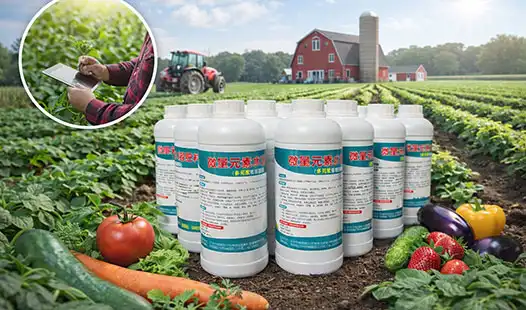
How to Choose a Multi Element Foliar Fertilizer for Your Farm?
What Are the Key Benefits of Gastrodia Specialized Fertilizer?