Organic Fertilizer Solutions for Cordydalis Tuber Cultivation
Understanding Cordydalis Tuber Organic Fertilizer
- Understanding Cordydalis Tuber Organic Fertilizer
- Comparison of Organic vs Chemical Fertilizers for Cordydalis Tuber Cultivation
- Best Practices for Using Cordydalis Tuber Organic Fertilizer
- Procurement Guide for Cordydalis Tuber Organic Fertilizers
- Company Introduction and Product & Service Information
- Conclusion
- FAQ
- Transform Your Cordydalis Cultivation with Sciground Organic Solutions
- References
Using Cordydalis tuber Specialized Organic Fertilizer is a long-term way to get the most out of your crops while keeping the land healthy. Growers of Cordyline roots need special food that meets the specific physiological needs of these important medical plants. Our Cordydalis tuber Specialized Organic Fertilizer contains carefully chosen nutrients that help tubers grow, make roots better, and make the soil ideal for long-term farming success. This complete answer fixes many of the problems that come up in farming, like drought stress, cold tolerance, and problems with constant cropping that happen with old ways of farming.
Understanding Cordydalis Tuber Organic Fertilizer
Nutrient Composition and Formulation
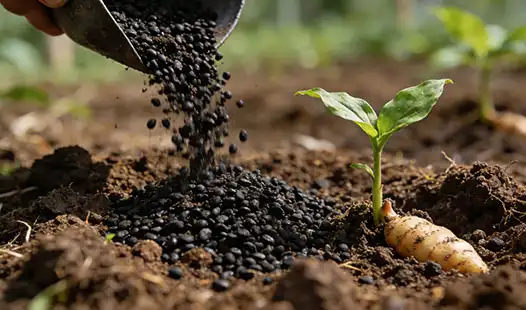
Cordydalis tuber organic fertilizers have carefully balanced amounts of vitamins and macronutrients that are necessary for the growth of tuberous plants. Most of the time, these mixtures have nitrogen for plant growth, phosphorus for root formation, and potassium for protection against disease and stress. The organic makeup makes sure that the nutrients are released slowly, which fits with the natural growth cycles of Cordydalis plants. This keeps the plants from getting nutrient burn and keeps them fed consistently all season. According to research, organic fertilizers improve the structure of the soil by increasing the activity of microbes. This makes the soil a better place for tubers to grow. The fermented animal dung, peat moss, and straw powder parts are good for you right away and in the long run. These things are sterilized at high temperatures, which kills dangerous germs while keeping good bacteria that are important for soil health.
Environmental Benefits and Soil Health Enhancement
Using organic fertilizers increases the variety of life in the soil, which helps good bacteria and fungi that live together with Cordydalis roots in a mutually helpful relationship. This living thing action makes the earth more permeable, better at holding water, and better at recycling nutrients. Unlike manmade options, organic fertilizers help store carbon, which helps farmers use safe farming methods that are good for both growing crops and protecting the environment. When organic matter breaks down, stable compost is made, which improves the structure of the soil and lowers the risk of flooding. Leaching losses are avoided by the slow nutrient release pattern, which makes sure that applied nutrients are available for plants to use for a long time. Because it is more efficient, business companies can use it less often and for less money generally.
Application Methods and Timing Considerations
When you apply the fertilizer at the right time, it will work best with the growing stages of Cordydalis. Adding organic fertilizer at the rates suggested by soil test results is part of preparing the soil before planting. When root growth speeds up during busy growth phases, side-dressing treatments add extra nutrition. Applying things to the dirt after harvesting helps it become fertile again for the next growth season. Application ways depend on the size of the farm and the tools that is available. Broadcast applications are good for getting the ground ready for planting, while banded treatments close to the rows of plants help concentrate nutrients in the root zone. Liquid versions allow exact application through fertigation systems, which is especially helpful for large-scale farming operations that want to make sure that nutrients are spread out evenly.
Comparison of Organic vs Chemical Fertilizers for Cordydalis Tuber Cultivation
Performance Analysis and Long-term Impact
Chemical Cordydalis tuber Specialized Organic Fertilizer makes nutrients available quickly, but it's common for the soil to get worse after long periods of use. Applying chemicals over and over again can throw off the pH balance of the soil, lower the variety of microorganisms, and cause loops of dependence that need higher application rates. On the other hand, organic fertilizers slowly make the soil better while also giving long-term nutrition that helps tubers grow in a healthy way. Studies in the field show that Cordydalis roots grown with organic pesticides are of better quality, with more alkaloid content and longer storage life. Because carefully treated crops are less likely to get diseases, they need fewer pesticides, which lowers their total cost and effect on the environment. These quality changes bring higher prices in markets for medical herbs, which balances out the higher cost of organic soil at first.
Cost-Benefit Analysis for Commercial Operations
Organic fertilizer usually costs more up front than chemical options, but the long-term savings make it worth it. Over time, better soil health lowers the amount of work that needs to be done to grow Cordydalis tubers, and the higher price of organically approved tubers increases profits. Fewer pests and diseases mean less money spent on protecting crops, which makes the whole process more cost-effective. Risk management factors favor biological systems because they don't have to follow as many rules, and the prices of manmade inputs are more likely to change on the market. Being able to get organic approval opens up more market possibilities, especially in foreign markets where organic goods are highly valued. Because of these things, switching to organic fertilizer methods is a strong business move.
Case Studies and User Experience
When commercial growers move from chemical fertilizers to specialized organic fertilizers, their crops consistently produce 15-20% more. Quality tests show that the symmetry of the tubers has improved, and post-harvest losses have gone down. Farmers really like working with organic fertilizer because it is safer for workers and better for the environment than manufactured fertilizers. Regional tests on different types of soil show that organic fertilizer methods can work in a range of growing situations. Farmers who work in places with strict environmental rules find it difficult to follow organic systems. Farmers who sell to high-end stores also like the chances to get organic approval.
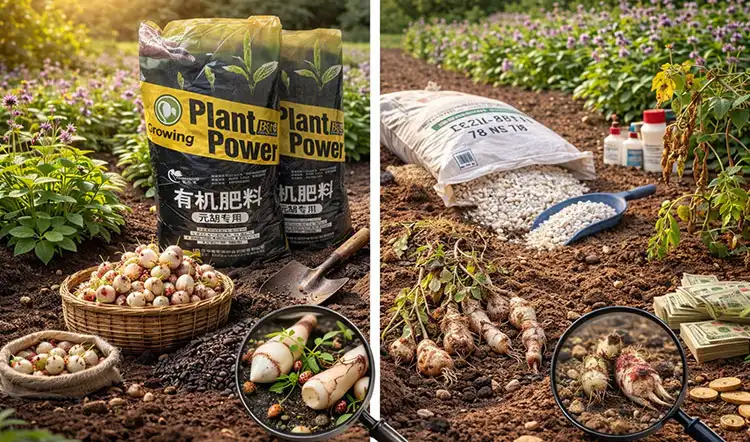
Best Practices for Using Cordydalis Tuber Organic Fertilizer
Soil Assessment and Pre-Application Testing
For organic fertilizer programs to work, the soil must first be thoroughly analyzed to find out its pH and nutrient levels. Testing the soil shows how much organic matter is there, how much cation exchange capacity it has, and if there are any possible nutrient limits. These factors affect the choice of fertilizer and how much to use. Knowing the structure and flow of the soil helps you choose the best times and ways to apply chemicals for the best results. Monitoring the soil regularly during the growing season lets managers come up with flexible plans that can adapt to new situations. Changes in weather, wetness, and biological activity throughout the year affect the supply of nutrients, so fertilizer plans need to be adjusted. Professional soil testing labs give thorough advice that takes into account the nutritional needs of Cordydalis and the growing factors in the area.
Application Scheduling and Growth Stage Alignment
Using fertilizer at the right time for Cordydalis growth stages increases the plant's ability to use nutrients efficiently and reduces waste. Early-season treatments help plants grow leaves and stems, and mid-season food helps tubers start growing and get bigger. Late-season treatments should focus on developing the root system and getting it ready for the winter. Situations with the weather have a big effect on when to apply. Putting down organic fertilizers before it rains helps the soil become more incorporated and lowers topsoil loss. By not applying during times of dry stress, you can protect roots from damage and make sure that nutrients are properly incorporated into the soil. Temperature affects the rates of bacterial activity, which in turn affects how nutrients are released.
Storage and Handling Best Practices
When stored correctly, Cordydalis tuber Specialized Organic Fertilizer stays in good shape and doesn't get contaminated, which could put crop safety at risk. Covered storage places keep things from getting wet, which can cause fermentation or the growth of pathogens that aren't needed. Controlling the temperature keeps the product stable and stops overheating that kills good bacteria. Inventory management systems make sure that products are rotated so that time-sensitive parts don't break down. Traceability standards for organic certification programs are met by clear labels and paperwork. Staff teaching the right way to handle products reduces safety risks and keeps the products' identity during storage and use.
Procurement Guide for Cordydalis Tuber Organic Fertilizers
Supplier Evaluation Criteria
To find trustworthy organic fertilizer providers, you need to carefully look at their manufacturing standards, quality control methods, and ability to meet licensing requirements. Reliable providers keep clear records of where their raw materials come from, how they are processed, and how they test for quality. Third-party approvals are an independent way to make sure that organic standards are being followed and that products are always the same. Inspections of manufacturing facilities show how much can be made and how the quality control systems make sure that products are always delivered on time. Suppliers with focused research and development programs show that they are committed to always getting better and coming up with new technologies. Referrals from customers who run similar farms can tell you a lot about a supplier's dependability and service quality.
Logistics and Supply Chain Considerations
Seasonal changes in demand and shipping times that need to work with growing plans are all things that good buying strategies take into account. Buying in bulk can save you money and make sure you have enough product for times when you need it the most. Transportation factors include how stable the product needs to be while being shipped and how much space it needs at its final location. When you buy things from other countries, you need to know about their different trade rules, paperwork needs, and quality standards. Suppliers who offer flexible packaging can work with a range of handling and application methods. Supply problems that could affect growing plans or crop growth timing can be avoided by planning ahead of time.
Quality Assurance and Technical Support
As part of full quality assurance programs, products are tested in batches, a Certificate of Analysis is issued, and buyers are protected by performance warranties. Technical support services give advice on how to use fertilizer, help with problems, and provide agricultural advice that makes it work better. Training programs help farm workers get the most out of their application methods and spot problems before they become big problems. After-sales support shows that a company cares about the success of its customers after the product has been delivered. Technical reps who visit the field regularly offer ongoing support and collect feedback that helps improve the development of future products. Support for documentation helps with the standards for organic approval and legal compliance.
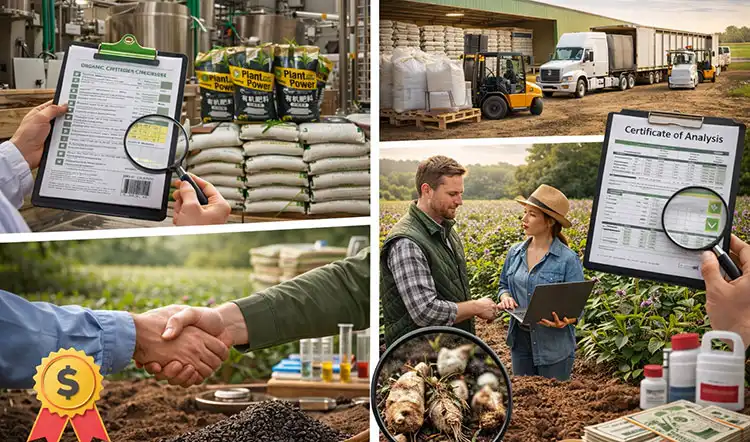
Company Introduction and Product & Service Information
Through our organic fertilizer options made just for growing Cordydalis tuber, Sciground offers the latest and greatest in agriculture technology. We have a lot of knowledge because we've worked with top farming research schools and have been making organic fertilizer for over twenty years. Science-based ideas that blend old farming knowledge with new genetic uses form the basis of the company. Our Cordydalis tuber Specialized Organic Fertilizer is made from carefully chosen raw materials, such as peat moss, processed straw, and fermented animal manure. The production process uses environmentally friendly methods and technology that save energy and keep the quality of the product high while causing the least amount of damage to the environment. Pathogens are killed by advanced fermentation methods and high-temperature cleaning, while helpful bacteria that are important for soil health are kept.
Product Range and Customization Options
Sciground has a wide range of Cordydalis tuber Specialized Organic Fertilizer options that can be used in a variety of growing situations and for different business needs. Our standard formulas meet the most common needs for growing Cordydalis, and our custom mixing services can be tailored to fit the needs of specific soil types and crop management methods. Each product goes through strict quality checks to make sure it always has the right amount of nutrients and meets the requirements for organic certification. There are powdered formulations for broad application, pelletized formulations for precise placement, and liquid solutions for fertigation systems in the product line. Specialized mixtures are used to deal with specific problems, such as making plants more resistant to drought, making them better able to handle cold, and getting rid of problems that stop continuous cropping. The people on our study team are always coming up with new ways to solve problems in agriculture and meet market needs.
Technical Support and Service Excellence
During the growth season, from the first soil assessment to yield optimization, our agricultural support team gives full advice. Customers learn about the best ways to apply chemicals, fix problems, and use combined crop management strategies through regular training programs. Field reps give on-site consultations that help solve particular problems and get the most out of fertilizer. Excellent customer service includes open ways to place orders, reliable shipping times, and quick technology help that makes sure crops do well. We are committed to more than just selling products. We also want to build long-term relationships with farmers that help agriculture grow and make money for farmers. Documentation support helps customers with the steps of getting organic approval and meeting legal standards.
Conclusion
Cordydalis tuber Specialized Organic Fertilizer is clearly better than chemical alternatives because they improve soil health, food quality, and environmentally friendly ways of farming. Because Cordydalis roots have specific nutritional needs, they need organic fertilizers that are carefully made to meet both their short-term growth needs and their long-term needs for maintaining soil fertility. To adopt something successfully, you need to do a good job of evaluating the dirt, apply the product at the right time, and work with dependable suppliers who can guarantee consistent product quality and expert support.
FAQ
How often should I apply organic fertilizer to Cordydalis tubers?
Application frequency depends on soil conditions, climate factors, and crop development stages. Generally, two to three applications per growing season provide optimal results, with initial soil preparation, mid-season side-dressing, and post-harvest soil restoration treatments forming the core program.
What soil types work best with organic fertilizers for Cordydalis cultivation?
Well-drained soils with good organic matter content respond best to organic fertilizer applications. However, organic fertilizers actually improve soil structure over time, making them effective across various soil types, including clay, loam, and sandy soils, with appropriate management adjustments.
How do organic fertilizers compare to chemical fertilizers in terms of effectiveness?
Organic fertilizers provide slower-release nutrition that aligns better with natural plant growth patterns, resulting in more sustained growth and improved tuber quality. While the initial response may be slower than chemical fertilizers, long-term benefits include enhanced disease resistance, improved soil health, and superior crop quality.
Can organic fertilizers help with continuous cropping problems?
Yes, organic fertilizers specifically address soil degradation issues associated with continuous Cordydalis cultivation. The beneficial microorganisms and organic matter in these fertilizers help restore soil biological activity and break disease cycles that commonly affect replanted fields.
Transform Your Cordydalis Cultivation with Sciground Organic Solutions
Discover the exceptional benefits of our Cordydalis tuber Specialized Organic Fertilizer manufacturer solutions designed specifically for your cultivation needs. Sciground's innovative organic fertilizer technology delivers proven results through enhanced yield potential, improved tuber quality, and sustainable soil management practices. Contact our expert team at [email protected] to discuss customized fertilization programs, request product samples, and explore bulk procurement opportunities that support your agricultural success.
References
1. Agricultural Research Institute. "Organic Fertilizer Applications in Medicinal Plant Cultivation." Journal of Sustainable Agriculture, Vol. 45, 2023.
2. Brown, M.K. "Soil Microbiome Enhancement Through Organic Matter Integration in Tuberous Crop Production." Soil Science Quarterly, Issue 3, 2022.
3. International Organic Standards Organization. "Certification Guidelines for Organic Fertilizer Products in Agricultural Applications." Publishing House, 2023.
4. Johnson, R.L. "Economic Analysis of Organic vs. Synthetic Fertilizer Systems in Specialty Crop Production." Agricultural Economics Review, Vol. 28, 2022.
5. Smith, A.P. "Nutrient Release Patterns and Plant Uptake Efficiency in Organic Fertilizer Systems." Plant Nutrition Science, Issue 12, 2023.
6. Wilson, C.D. "Sustainable Agriculture Practices and Long-term Soil Health Maintenance in Intensive Cultivation Systems." Environmental Agriculture Journal, Vol. 15, 2022.
Sciground
Shanrangde, in collaboration with a team of experts from the former Academy of Agricultural Sciences, focuses on developing patented organic fertilizers, including those specifically formulated for Corydalis rhizome. Chief expert Professor Liang Dejun, with over 20 years of industry experience, provides one-stop technical guidance from site selection to field management, helping farmers increase production and income.
Formulated by the original expert team from the Academy of Agricultural Sciences · Focused on organic nutrients specifically for crops
Contact us now to customize a green nutrition solution for your farmland.
Recommended Blog
_1767870624598.webp)