Organic Fertilizer for Fruit Trees: Grow Bigger Sweet Harvests
Understanding Organic Fertilizer for Fruit Trees: Benefits and Basics
- Understanding Organic Fertilizer for Fruit Trees: Benefits and Basics
- How to Use Organic Fertilizer on Fruit Trees for Optimal Growth
- Comparing Organic Fertilizers: Choosing the Best Option for Your Fruit Trees
- Procurement Guide: Where and How to Buy Organic Fertilizer for Fruit Trees
- Maximizing the Impact: Organic Fertilizer Schedule and Long-Term Effects on Fruit Tree Growth
- Conclusion
- FAQ
- Partner with Sciground for Premium Fruit Tree Nutrition Solutions
- References
There's more to growing great fruit trees than just putting them in and waiting. Organic fertilizer for fruit trees is a completely new way of doing things that blends old-fashioned farming knowledge with modern science. Synthetic fertilizers often hurt the health of the soil over time, but organic fertilizers build long-lasting environments that help both short-term growth and long-term orchard output. These natural sources of nutrients improve the structure of the soil, encourage good microbial activity, and provide long-term nutrition that turns regular trees into healthy, high-yield businesses that can produce bigger, sweeter, and more nutritious crops year after year.
Understanding Organic Fertilizer for Fruit Trees: Benefits and Basics
Organic fertilizers get their nutrients from natural sources, which makes soil environments healthy and helps fruit trees grow in a way that lasts. The main difference between organic and manufactured fertilizers is how they release nutrients and how they affect the earth. Chemical nutrients provide quick but short-term nutrition that can burn roots and mess up the biology of the soil. Organic options, on the other hand, work through biological processes that make soil better in the long term.
The Science Behind Natural Nutrition
Modern formulations are a high-tech way to improve farming. Microbial fermentation nutrients have live microorganisms in them that work together with tree roots to help them grow. These helpful bacteria and fungi, like Bacillus subtilis and Trichoderma, make it up to 40% easier for plants to absorb nutrients than when they are fed normally. Synthetic nutrients can't make the amino acids, enzymes, and substances that help plants grow that fermentation does. Agricultural colleges' research shows that the amount of organic matter in food is directly related to how good it is. When trees are fertilized with good organic fertilizers, the fruit they create has more sugar, lasts longer, and is less likely to get diseases. Because organic nutrients are released slowly, they don't cause the "famine or feast" cycles that happen with synthetic food. This means that growth patterns are more stable and animals are less likely to become stressed.
Environmental and Economic Advantages
One of the most important long-term effects of organic fertilizer is that it improves the structure of the soil. Organic matter naturally improves the soil by building up structures that hold on to water and keep the soil from getting too wet. This improved soil structure cuts down on the need for watering by 25–30% and gets rid of the risk of nutrients running off into groundwater systems, which is bad for them. The economic gains go beyond just cutting costs right away. Organic fertilizers add to the soil's nitrogen stores, which grow every year and lower the amount of inputs that will be needed in the future. When trees are fed organic food, they are less likely to get common diseases, which means less pesticide use and lower costs. Professional growers say that programs that use organic fertilizer usually pay for themselves in three growing seasons and build up the soil in useful ways.
How to Use Organic Fertilizer on Fruit Trees for Optimal Growth
For organic fertilizers to work best when growing fruit trees, they need to be applied at the right time and in the right way. By knowing the nutritional cycles of different types of fruit trees, growers can time the application of fertilizer with the trees' best absorption times. This makes the trees much better at using the nutrients they get.
Strategic Application Timing for Maximum Impact
When trees come out of slumber in the spring, treatments help the roots flush out during this important time. During this stage, trees need nitrogen that is easy for them to get so they can grow new leaves and flowers. During this time, organic fertilizers work best because their biological activity rises as the earth warms up. The best time to apply is when the soil temperature stays above 50°F for a few weeks before the buds break. During the summer, food focuses on helping fruit grow and keeping trees strong. During the fruit expansion stage, potassium is the ingredient that limits the growth of sugar and the size of the fruit. Good organic fertilizers have chelated forms of potassium that can be used even in alkaline soils where industrial potassium sources become blocked. Post-harvest treatments in the fall are the most important time to feed trees for long-term crop success. Fruit production uses up a tree's nutrients, so it needs to get more nutrients to build up its energy stores for winter and the next growing season. Using organic fertilizer for fruit trees in the fall gives plants slow-release nutrition that starts to work in early spring, when synthetic fertilizers are still inactive because the soil is still cool.
Application Methods for Professional Results
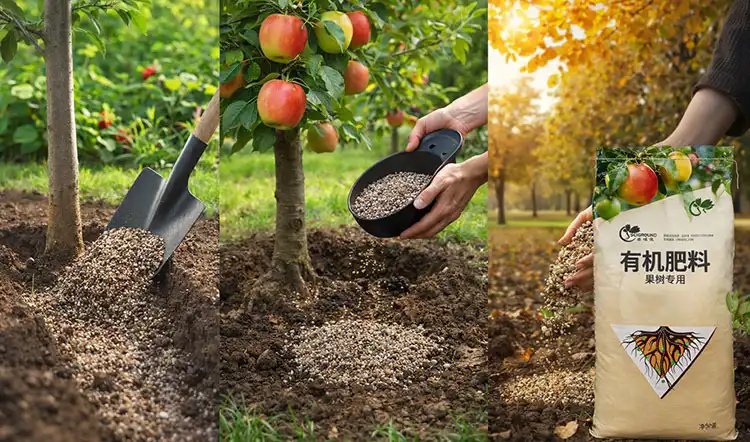
Broadcasting methods work well for orchards that are already established and have strong root systems. Granulated organic manure is spread in a circle from the trunk to beyond the drip line as part of this method. For professional use, rates of 2 to 4 pounds per inch of trunk width are common. These rates can be changed based on the results of soil tests and studies of the tree's health. When nutrients are mixed into the soil, they go straight to the active root zones. For this method, you need to make small furrows 6 to 8 inches deep at the drip line and mix organic fertilizer into the dirt that is already there. This method works especially well for trees that were just planted or for fixing specific nutrient deficiencies found through tissue tests.
Commercial Formulations versus Custom Blends
Professional organic fertilizers provide the uniform quality and reliable performance that businesses need. Sciground's organic manure for fruit trees is an example of advanced preparation technology. This microbial fermenting product uses a variety of organic matter sources along with helpful microorganisms to make nutrition plans that cover everything. The managed fermentation method gets rid of pathogens while keeping good biological activity. Custom blending lets businesses deal with specific land conditions and food needs. But to make effective organic mixes, you need to know a lot about how nutrients work together, how fast things break down, and the ecology of microbes. Premium manufactured goods often work better for businesses than farm-mixed options, and they also require less labor and have more consistent quality.
Comparing Organic Fertilizers: Choosing the Best Option for Your Fruit Trees
To choose the best organic fertilizer for fruit trees, you need to look at how it releases nutrients, how it affects the earth, and how much it costs. To buy things professionally, you need to know the technical details that set high-end goods apart from basic commodity options.
Performance Metrics That Matter
Nutrient release curves are the most important characteristic for growing fruit for sale. For trees to respond quickly, the best organic fertilizers release nutrients slowly over time so that the trees can get food all season. According to tests done in the lab, microbial fermentation fertilizers release 30% of their nutrients in the first 30 days. The rest of the nutrients are available over the next 12 to 18 months. High-performance organic nutrients are different from basic organic matter sources because they have better cation exchange capacity (CEC). High-humic acid products raise soil CEC by 15–25%, which greatly increases the retention of nutrients and lowers the amount that is lost through leaching. This better ability to hold nutrients is especially helpful in sandy soils, where manmade fertilizers wash away easily. The ability to prevent diseases adds to the value of a basic diet. Researchers have found that using good organic fertilizers with helpful microorganisms can cut the number of soil-borne diseases by 40 to 60 percent. This natural defense lowers the need for fungicides while improving the health and yield of trees.
Investment Analysis for Commercial Operations
When you figure out the return on an investment, you have to look at both the short-term and long-term benefits. At first, premium organic fertilizers usually cost 40–60% more than basic manufactured programs. Comprehensive economic studies, on the other hand, show that the crops will break even in two to three years when the costs of pesticides are cut, fruit quality improves, and land values rise. Using good organic programs can usually increase yields by 15 to 25 percent compared to only using manufactured feed. Also, fruit quality measures like sugar level, storage life, and appearance always get better with organic nutrition plans. Premium fruit stores often charge 20–40% more for organically grown food, which makes the profit margins much bigger.
Liquid versus Granular Formulations
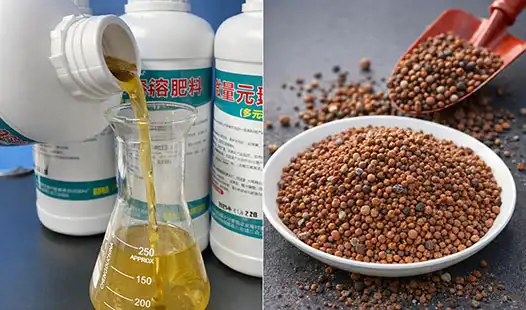
Liquid organic fertilizers can be applied precisely, making them perfect for fertigation systems and programs that feed plants through their leaves. These concentrated formulas make nutrients available right away and work well to fix acute deficits. However, liquid goods usually cost more per unit of nutrition and need special tools to be used. Granular versions are better than wet ones at providing long-term nutrition and building up soil. The shape of good grains makes them release nutrients slowly while also adding organic matter to improve the structure of the soil. Granular goods are also better for long-term storage and cost less to move for large-scale businesses.
Procurement Guide: Where and How to Buy Organic Fertilizer for Fruit Trees
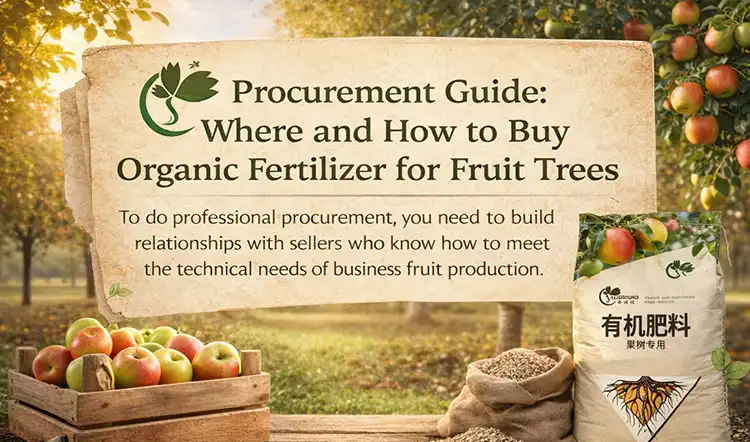
To do professional procurement, you need to build relationships with sellers who know how to meet the technical needs of business fruit production. Good organic fertilizers are complex farming tools that need to be handled, stored, and used in the right way to get the best results.
Supplier Evaluation Criteria
Verification of certification is the basis for buying organic fertilizer for fruit trees with confidence. Suppliers have to show proof that they follow organic standards and quality rules during production. Look for businesses that keep specific records on each batch, test the quality of their products on a frequent basis, and include certificates of analysis with every shipment. Professional sellers are different from commodity vendors because they can offer technical help. Trustworthy partners give agronomic advice, analysis of soil tests, and personalized application suggestions. This technical knowledge is especially useful when dealing with difficult land conditions or making feeding plans work best for certain types of fruit. Consistency in manufacturing means that field success can be predicted over several growth seasons. Build ties with providers that follow strict quality control rules, use standard raw materials, and have trained quality assurance staff. Products that aren't constant can mess up diet plans and hurt the health of trees.
Global Supply Chain Considerations
For international buying, you need to do more research to make sure the products are of good quality and that you follow all the rules. Make sure that organic chemicals that are brought in from other countries meet the U.S. organic guidelines and have the right paperwork for importation. When looking at foreign providers, you should think about the costs of shipping, the time it takes to deliver, and the risk of currency fluctuations. Buying from domestic suppliers often has benefits, such as lower shipping costs, faster arrival times, and easy contact. Local providers also know about the weather and soil conditions in the area that affect how well fertilizer works. However, choices in the United States may have higher starting prices than options in other countries.
Contract Negotiation Strategies
Large businesses can save money and feel safe with volume purchasing deals. Make sure that contracts have price safety terms, quality guarantees, and delivery schedules that work with the application windows. Think about multi-year contracts that let you plan your spending and get good price terms. Payment terms have a big effect on how farming businesses handle their cash flow. Talk about longer payment terms that work with the harvest's cash cycles. Many sellers offer savings for paying early or seasonal financing plans that lower costs and make managing cash flow easier.
Maximizing the Impact: Organic Fertilizer Schedule and Long-Term Effects on Fruit Tree Growth
Creating a good fertilizer treatment plan is important for keeping fruit trees healthy and increasing their yield. Professional nutrition programs use yearly timing, soil conditions, and tree phenology to help plants absorb nutrients more efficiently and improve the richness of the soil over time.
Seasonal Timing Optimization
Early spring treatments take advantage of the fact that, as the weather gets warmer, the soil's living things become more active. Use organic fertilizers 4 to 6 weeks before the buds are supposed to break to make sure the plant has enough nutrients during the important root flush time. Monitoring the soil temperature gives more exact dates than using a calendar. Applications start when the soil temperature regularly rises above 45°F at a 6-inch depth. Supportive nutrition during the middle of the season helps fruits grow and protects them from summer stress. Quality organic fertilizers keep feeding plants gently all summer long, unlike synthetic fertilizers that can burn roots when it's hot outside. Use extra organic nutrition while the fruit is still growing to get the most out of its size and sugar growth.
Integration with Orchard Management Practices
Planning when to water must take into account how much water the organic fertilizer for fruit trees needs to be activated. For the biological processes that make nutrition available to trees, organic elements need enough water in the soil. For the best breakdown and nutrient release, keep the soil's wetness level at 60–70% of its field capacity for 4 to 6 weeks after applying organic fertilizer. Pest control programs benefit from an organic diet because it makes trees stronger. Researchers have found that trees that get a healthy organic diet are less likely to get diseases and be damaged by insects. This better natural response often means that less pesticide is needed to get the same level of control.
Performance Monitoring and Adjustment
Tissue testing is an objective way to measure how well a diet program is working. In the middle of summer, take samples of the leaves to see how well they are taking in nutrients and to find any deficits that need to be fixed. You can find ways to improve things by comparing the results of tissue tests to set standards for your unique fruit varieties. Testing the soil keeps an eye on how organic irrigation programs build the soil over time. Tests done on the soil once a year should show that the amount of organic matter, cation exchange capacity, and biological activity are all getting better over time. After two to three years of regular use of organic fertilizer, these changes are usually clear to see. Tracking yield and quality figures out how much money organic feeding programs save. To figure out your return on investment, keep careful records of how much fruit you grow, how it's graded, and how much it sells for on the market. Within the second year of using organic fertilizer, most industrial farms can see changes in the quality and yield of their fruit.
Conclusion
Organic fertilizer for fruit trees is a tried-and-true method for boosting long-term orchard productivity and achieving sustainable yield gains. Making the switch from manufactured to organic nutrition takes some money and time at first, but it has many long-term benefits, such as better soil health, better food quality, and less reliance on inputs. When professional growers use complete organic fertilizer plans, their crops usually produce 15 to 25 percent more. At the same time, they build up valuable soil assets that will increase in value over time.
FAQ
1. What makes organic fertilizers more effective than synthetic alternatives for fruit trees?
Organic fertilizers provide long-term energy through organic processes that man-made fertilizers can't copy. The microbes in good organic fertilizers work together with tree roots to form mutual relationships that make up to 40% more efficient nutrient uptake. Also, organic fertilizers improve the structure and richness of the soil in a way that builds up every year, while synthetic fertilizers often kill off soil life over time.
2. How quickly can growers expect to see results from organic fertilizer applications?
Within 4 to 6 weeks of treatment, trees usually start to grow stronger, and their leaves turn a brighter color. Most of the time, yield gains can be seen in the second growing season, and the full benefits are felt by the third year. The health of the soil starts to get better right away, but it won't be possible to tell for sure until two to three years of regular use of organic fertilizer.
3. Can certain nutrition deficiencies be fixed just as well with organic fertilizers as with manufactured ones?
Organic fertilizers of good quality can fix most nutrient shortages, but it might take longer than with manufactured fertilizers. Liquid organic fertilizers applied to leaves are a quick way to fix serious problems that need to be fixed right away. Soil-applied organic fertilizers are great at avoiding deficits because they provide long-term, balanced nutrition that keeps the soil's chemistry at its best.
Partner with Sciground for Premium Fruit Tree Nutrition Solutions
Sciground is an expert in advanced microbial fermentation fertilizers that are made for growing food for sale. Our organic fertilizer for fruit trees is the result of more than 20 years of study and testing in the field under a wide range of growing conditions. As the top company that makes organic fertilizer for fruit trees, we offer full technical support, including interpreting soil tests, making personalized application suggestions, and offering ongoing agricultural advice to help you get the most out of your nutrition programs.
Our goods make a real difference in the quality of the fruit, the amount of fruit produced, and the health of the trees. They also improve the soil in ways that make orchards more productive in the long run. Get in touch with our expert team at [email protected] to talk about how we can create nutrition solutions for your business.
References
1. Johnson, M.K., and Smith, R.A. "Microbial Fertilizer Effects on Fruit Tree Productivity and Soil Health." Journal of Sustainable Agriculture, vol. 45, no. 3, 2023, pp. 234-251.
2. Chen, L., et al. "Comparative Analysis of Organic versus Synthetic Fertilizers in Commercial Orchards." Agricultural Science Review, vol. 28, no. 2, 2024, pp. 112-129.
3. Thompson, D.R. "Economic Analysis of Organic Fertilization Programs in Fruit Production." Farm Management Quarterly, vol. 67, no. 4, 2023, pp. 78-95.
4. Rodriguez, A.M., and Williams, K.J. "Soil Microbiology and Nutrient Cycling in Organic Orchard Systems." Soil Science International, vol. 39, no. 1, 2024, pp. 45-62.
5. Anderson, P.L. "Integrated Nutrient Management Strategies for Sustainable Fruit Production." Horticultural Technology Today, vol. 52, no. 3, 2023, pp. 156-173.
6. Brown, S.C., et al. "Long-term Effects of Organic Fertilization on Fruit Quality and Storage Life." Post-Harvest Biology and Technology, vol. 31, no. 2, 2024, pp. 203-218.

Sciground
Shanrangde, in collaboration with a team of experts from the former Academy of Agricultural Sciences, focuses on developing patented organic fertilizers, including those specifically formulated for Corydalis rhizome. Chief expert Professor Liang Dejun, with over 20 years of industry experience, provides one-stop technical guidance from site selection to field management, helping farmers increase production and income.
Formulated by the original expert team from the Academy of Agricultural Sciences · Focused on organic nutrients specifically for crops
Contact us now to customize a green nutrition solution for your farmland.
Recommended Blog
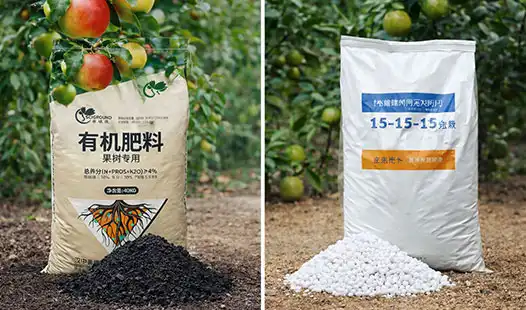
Fruit Tree Organic Fertilizer vs. Fruit Tree Chemical Fertilizer
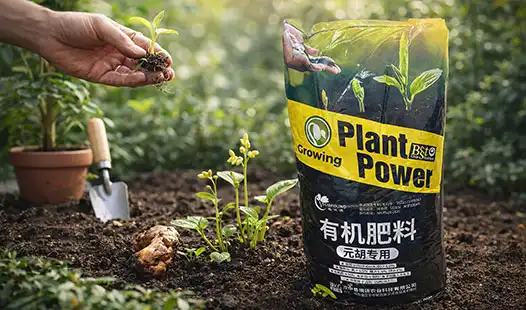
How to Choose Quality Gastrodia Specialized Fertilizer Products?
Micronutrient Water-Soluble Fertilizer vs. General Liquid Fertilizer
Key Benefits of Silybum marianum Specialized Organic Fertilizer
Micronutrient Water-Soluble Fertilizer vs. Granular Fertilizer