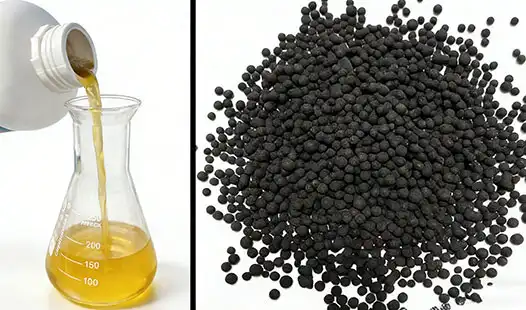
How to Choose the Right Organic Fertilizer for Your Fruit Trees?
Understanding Fruit Tree Nutrient Requirements Before Choosing Fertilizer
- Understanding Fruit Tree Nutrient Requirements Before Choosing Fertilizer
- Match fertiliser selection with different growth stages.
- Compare Different Types of Organic Fertilisers for Orchards
- Evaluate Cost, Supply Stability, and Supplier Capability
- Apply Organic Fertilizer According to Orchard Management Practices
- Why Choose Sciground for Fruit Tree Organic Fertilizer Solutions?
- Conclusion
- FAQ
- Partner with Sciground for Premium Fruit Tree Organic Fertilizer Solutions
- References
There are many things you can do to help your plants stay healthy, your fruit taste better, and your land grow food for a long time with the right Fruit Tree Organic Fertilizer. Trees need different amounts of minerals at different stages of growth and in various types of soil.
Most fertilisers add nutrients quickly, but good organic fertilisers build up the soil, encourage good bacteria, and keep nutrients for longer. This is better for the plants to grow in. If you buy good compost for your business trees, the soil will stay in good shape for longer.
More and more, microbial fermentation is being used in organic gardens to improve the performance of nutrients and fertilizer. Mixed with high-tech organic solutions are microorganisms that are good for plants. This helps roots grow, makes the earth more naturally active, and boosts plants' natural defenses.
Understanding Fruit Tree Nutrient Requirements Before Choosing Fertilizer
At different times of their growth, fruit trees need different kinds of food. Don't just give your tree a lot of one thing it needs to grow. Give it healthy food that is right for its size and stage of growth instead.
NPK, phosphorus, and potassium are still the most important things for fruit trees to grow. Calcium, magnesium, iron, zinc, and boron are some of the other nutrients that plants and food need to stay healthy and grow.
Essential Nutrients Required by Fruit Trees
| Nutrient | Function | Example Trees |
|---|---|---|
| Nitrogen (N) | Leaf and branch growth | Citrus, Apple |
| Phosphorus (P) | Root development, flowering | Apple, Peach |
| Potassium (K) | Fruit quality & disease resistance | Stone fruits |
| Calcium, Magnesium, Boron | Cell health & fruit firmness | Cherry, Peach |
| Iron, Zinc | Chlorophyll synthesis & enzyme function | Citrus, Apple |
Pro Fruit Tree Fertiliser should give these nutrients to the tree in a healthy way and also add more nutrients to the soil. This gives the fruit everything it needs to stay fresh.
Match fertiliser selection with different growth stages.
Fruit trees need different amounts of food at different times of the year. If you use the same soil mix over and over, the minerals might not work as well.
In order to grow, the roots of young trees need more food. But fruit trees that are already fully grown need more potassium and phosphorus to make their fruits bigger, better, and better able to handle stress from the environment.
Growth Stage Applications
| Stage | Recommended Nutrition | Purpose |
|---|---|---|
| Seedlings / Newly Planted | Phosphorus-rich blends | Root establishment |
| Vegetative Growth | Balanced NPK | Leaf & flower growth |
| Fruiting / Mature | Phosphorus & Potassium-focused | Fruit size, quality & disease resistance |
| Dormancy (Fall) | Slow-release NPK | Early spring nutrient reserve |
By knowing what plants need at different stages of growth, growers can avoid using too much fertiliser and get better results from the nutrients they use.
Compare Different Types of Organic Fertilisers for Orchards
By knowing what plants need at different stages of growth, growers can avoid using too much fertiliser and get better results from the nutrients they use.
Check out the different kinds of organic fertilisers for orchards.
There are differences in how well different organic fertilisers work. Traditional organic materials, products made from compost, and microbial fermentation fertilisers all have their own benefits that depend on the size and management goals of the crop.
Compost and dung from the past Pros:
It makes the soil's structure and organic matter content better.
offers a wide range of nutritious foods
Helps improve the land over time
Not so good:
-
Levels of nutrients can be different between batches.
-
Less can be predicted about nutrient release.
-
Commercial orchards may need to use more of the product.
Vermicompost
Traditional compost can still help improve the soil, but growers on a large scale often need more consistent nutrient solutions.
Pros of vermicompost:
-
Offers helpful chemical compounds
-
It makes the soil softer and better at holding water.
-
Contains nutrient components that are pretty stable
Not so good:
-
More expensive to make
-
It's harder to scale up for big farming businesses.
Vermicompost can help with speciality crops and smaller trees, but it might not always be enough for industrial farms.
Microbial Fermentation Fertilisers (Recommended)
Microorganism-based fermentation fertilisers are a more advanced way to handle renewable nutrients with Fruit Tree Organic Fertiliser.
Some important benefits are the following:
-
Controlled fermentation makes nutrients more consistent.
-
Microorganisms that are good for the dirt increase its organic activity.
-
Aids plant roots in absorbing nutrients better
-
Over time, it helps the earth become more fertile in
-
Lessens the need for frequent fertiliser applications
-
Organic fruit tree fertiliser based on microbial fermentation is a more reliable option for business fruit growers because it improves the soil environment while also providing nutrients.
According to tests done in commercial apple farms, microbial fermentation fertiliser improved the use of nutrients and decreased the need for extra fertiliser when compared to regular organic materials.

Evaluate Cost, Supply Stability, and Supplier Capability
It's important to choose the right organic fruit tree fertiliser based on both how well it works and how much money it will make over time. Before they buy something, people who run business orchards should think about how well it works, how much work it will take, how stable the supply is, and how much help is available from experts.
More modern organic materials might cost more at first, but they might be worth it because they make it easier to work with in fields, help plants use nutrients better, and need to be used less often.
When tree owners choose a manure seller, they should think about:
-
Quality of the goods that doesn't change from batch to batch
-
Ability to consistently meet changing needs
-
Making sure the product is good and writing up a review
-
Help with business apps and making diet plans that are specific to each crop
For big farms, buying in bulk can have extra benefits, like making it easier to plan their supplies, keep track of their stock, and keep costs down.
Key Procurement Factors for Commercial Orchards
| Consideration | Why It Matters |
|---|---|
| Product consistency | Ensures stable nutrient supply throughout different planting seasons |
| Production capacity | Supports large-volume orders and long-term cooperation |
| Quality control | Helps maintain fertilizer safety and performance |
| Technical support | Provides guidance for different soil and crop conditions |
| Customized solutions | Matches fertilizer programs with specific orchard requirements |
Farmers should get clear information about their goods, proof that their quality has been checked, and professional help to help them do better when they buy from a dealer they can trust.
Apply Organic Fertilizer According to Orchard Management Practices
You need to use organic fertilisers in the right way to get the most out of them. If you use good fertilisers in the wrong way, at the wrong time, or in the wrong place, they might not work well.
You should look at the plants and the dirt if you grow food. Watch how they grow at different times of the year.
Recommended Application Methods
For spring, fill out the form.
Use fertilizer to make sure the plant has enough nutrients for green growth, blooming, and the early stages of fruit creation before it starts to grow.
Getting ready for fall
After the leaves fall off, you can feed the trees. That way, they can store food better and get ready for good growth next year.
How to use it in different ways:
-
Young trees can give you transmission and union.
-
Use for tree root zones that are fully grown in
-
To feed plants when you need to, you can use drip irrigation or spray systems.
How to Keep an Eye on Things:
For fertiliser programs to work better, they need to be checked on often. This helps figure out where food isn't going to the right places. The following Fruit Tree Organic Fertilizer application steps should be taken:
-
Every year, they test the dirt.
-
Check out the leaves or cells at important times for growth.
-
See what colour the leaves are, how fast they grow, and how the fruit turns out.
Farmers can get more nutrients from their fertilizer and keep the soil healthy at the same time with a plan based on science.

Why Choose Sciground for Fruit Tree Organic Fertilizer Solutions?
Farmers should get clear information about their goods, proof that their quality has been checked, and professional help to help them do better when they buy from a dealer they can trust.
Care for your garden the right way when you use organic manure.
You need to use organic fertilisers in the right way to get the most out of them. If you use good fertilisers in the wrong way, at the wrong time, or in the wrong place, they might not work well.
You should look at the plants and the dirt if you grow food. Watch how they grow at different times of the year.
Sciground’s Agricultural Advantages
Sciground, a branch of Hanzhong Shanrangde Agricultural Technology Co., Ltd., creates microbial fermentation-based fruit tree organic fertilizer solutions for modern farming.
Through professional fertiliser research and organic fermentation technology, the company's main goal is to improve the health of the soil and the nutrition of crops.
Sciground's Benefits for Farmers
Works together with the Northwest Academy of Agricultural Sciences to improve farming techniques
Professor Liang Dejun is in charge. He has been researching organic fertilisers for more than 20 years.
It runs a 6,000-square-meter production center with strict quality control rules.
offers customized fertilizer programs based on the type of crop and the conditions of cultivation
Helps industrial farmers with treatment advice and planning monthly deliveries
Sciground not only sells fertilizer but also full nutrient management systems for farms, farming groups, and professional farmers.
Sciground helps customers improve soil nutrition, make Fruit Tree Organic Fertilizer work better, and support long-term tree growth by mixing microbial technology with production know-how and farming experience.
Conclusion
To pick the correct Fruit Tree Organic Fertilizer, you need to know a lot about the tree, the soil, the tree's growth stages, and the farm's management goals. There is more to the best fertiliser than just having a lot of nutrients. It also needs to feed plants well and make the soil healthier.
Compost and vermicompost are still good organic choices, but microbial fermentation fertilisers are better because they have more good bacteria, nutrients that stay fixed longer, and better long-term soil management.
If a fruit farmer wants to make a better plan for fertilising, they should buy from someone who has done this before. Picking the right organic fertilizers, using them at the right times during growth, and running farms in a scientific way can help trees stay healthy, fruit taste better, and farming systems last longer.
There are still professional fruit tree organic fertiliser options on Sciground that can help farms get steady crop yields and improve the soil for a long time.
FAQ
1. What makes microbial fermentation fertilizers superior to traditional organic options?
Microbial fermentation fertilizers undergo controlled processing that standardizes nutrient content while eliminating harmful pathogens. The fermentation process concentrates beneficial microorganisms that enhance nutrient uptake and disease resistance. Unlike variable traditional composts, fermentation fertilizers provide consistent analysis and predictable performance essential for commercial operations.
2. How do organic fertilizers compare to synthetic alternatives in terms of cost-effectiveness?
Fruit Tree Organic Fertilizer typically requires a higher initial investment but delivers superior long-term value through improved soil health and reduced input requirements. The slow-release nature reduces application frequency while enhanced soil biology decreases disease pressure and supplemental treatment needs. Total cost analysis often favors organic programs when considering multi-year productivity and soil sustainability.
3. What certification standards should commercial operations prioritize when selecting organic fertilizers?
OMRI certification ensures compliance with organic production standards required for premium market access. Additional quality certifications verify nutrient analysis consistency and contamination testing protocols. Operations targeting export markets may require specific regional certifications that validate product safety and quality standards.
Partner with Sciground for Premium Fruit Tree Organic Fertilizer Solutions
Sciground offers advanced microbial fermentation Fruit Tree Organic Fertilizer technology that is made to help industrial fruit production succeed. Our specially made mixtures give plants complete organic nutrition and improve soil health and disease protection for long-term production. Email our technical experts at [email protected] to talk about buying in bulk, getting feeding plans, and application instructions that are made just for your crop. As a reputable company that makes organic fertilizer for fruit trees, we mix cutting-edge research with real-world business solutions that get the best return on investment while also helping to meet environmental responsibility goals.
References
1. Brady, Nyle C., and Ray R. Weil. "The Nature and Properties of Soils: Global Edition." 15th Edition. Pearson Education, 2016.
2. Fageria, Nand Kumar, Virupax C. Baligar, and Charles Allan Jones. "Growth and Mineral Nutrition of Field Crops." 3rd Edition. CRC Press, 2010.
3. Havlin, John L., Samuel L. Tisdale, Werner L. Nelson, and James D. Beaton. "Soil Fertility and Fertilizers: An Introduction to Nutrient Management." 8th Edition. Pearson, 2013.
4. Troeh, Frederick R., and Louis M. Thompson. "Soils and Soil Fertility." 6th Edition. Blackwell Publishing, 2005.
5. Marschner, Petra. "Marschner's Mineral Nutrition of Higher Plants." 3rd Edition. Academic Press, 2012.
6. Wild, Alan. "Soils and the Environment: An Introduction." Cambridge University Press, 1993.

Sciground
Shanrangde, in collaboration with a team of experts from the former Academy of Agricultural Sciences, focuses on developing patented organic fertilizers, including those specifically formulated for Corydalis rhizome. Chief expert Professor Liang Dejun, with over 20 years of industry experience, provides one-stop technical guidance from site selection to field management, helping farmers increase production and income.
Formulated by the original expert team from the Academy of Agricultural Sciences · Focused on organic nutrients specifically for crops
Contact us now to customize a green nutrition solution for your farmland.
Recommended Blog
Why Should You Use Balanced Liquid Fertilizer for Your Plants?
Which Micronutrient Fertilizer is Best for Healthy Plant Growth?