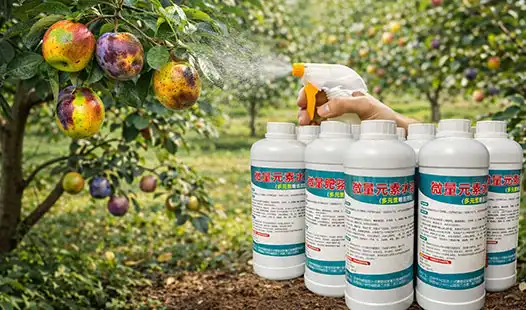
How to Apply Silybum marianum Specialized Organic Fertilizer
Understanding the Role of Specialised Organic Fertiliser for Silybum marianum
- Understanding the Role of Specialised Organic Fertiliser for Silybum marianum
- Step-by-Step Guide: How to Apply Silybum marianum Specialised Organic Fertiliser
- Comparing Specialised Organic Fertiliser with Other Silybum marianum Fertilisation Options
- How to Source and Procure High-Quality Silybum marianum Specialised Organic Fertiliser
- Best Practices for Managing Fertiliser Application and Monitoring Results
- Conclusion
- FAQ
- Partner with Sciground for Premium Silybum marianum Cultivation Solutions
- References
The Silybum marianum Specialised Organic Fertiliser is a big step forward in growing medical plants. It gives farmers and other agricultural workers a specific way to get the most milk thistle while also making sure the plant has the right amount of silymarin. This carefully planned bio-nutrient addition meets the specific physiological needs of milk thistle. It provides tailored nutrition that boosts plant tolerance, improves soil conditions, and encourages strong growth at all stages of development for this valuable medical crop.
Understanding the Role of Specialised Organic Fertiliser for Silybum marianum
To grow milk thistle, you need to be very careful with the nutrients it gets, which is something that regular fertilisers can't do. Specialised organic fertilisers are different from regular farming inputs because they are made to work with the specific biochemical pathways needed for milk thistle seeds to make the most flavonolignan.
Unique Nutritional Requirements of Milk Thistle
When it comes to nutrients, milk thistle plants need a very different set of nutrients than most other plants. Trace elements like boron, molybdenum, and zinc are very important for the plant to be able to make large amounts of silymarin. These elements turn on enzymes that are needed to make silymarin forms like silybin A and silybin B.Agricultural experts have found that milk thistle grows very well in organic fertiliser programs that release nutrients slowly over the course of the plant's 120–150 day growth cycle. Its deep taproot system benefits from organic matter that helps soil structure and water retention. This is especially important for milk thistle, which can grow in poor circumstances.
Environmental and Economic Benefits
Using Silybum marianum Specialised Organic Fertiliser is a great way to follow the healthy farming methods that are becoming more and more popular in global markets. These goods support biodiversity in agricultural environments while lowering the amount of chemicals that run off. For business growers, getting organic approval means they can sell their herbs in high-end markets where they fetch higher prices. The business benefits go beyond charging more. Organic fertilisers improve the health of the soil over time, which means you don't have to use as many expensive soil additions, and you can get the same crop amounts over many growing seasons. This method of sustainability is liked by customers who care about the environment and meet the rules in many foreign markets.
Step-by-Step Guide: How to Apply Silybum marianum Specialised Organic Fertiliser
To properly use specialised organic fertiliser, you must first do a full study of the soil and then carefully plan when and how to apply the fertiliser so that it makes the most nutrients available throughout the growing season.
Pre-Application Soil Assessment
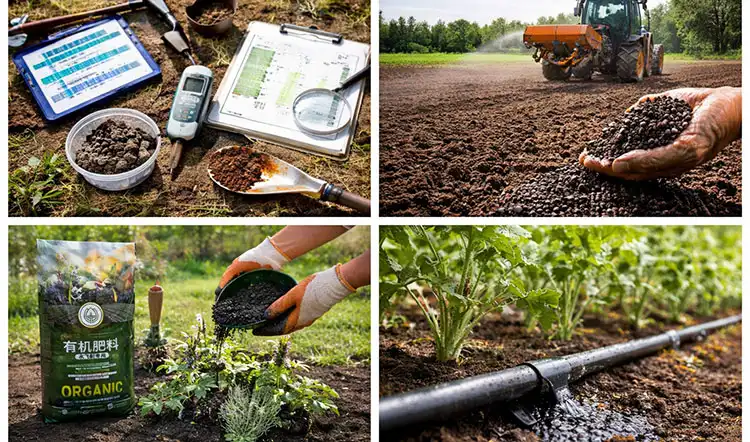
Before you put down any fertiliser, you should test the soil carefully to see how much organic matter, nutrients, and pH are already there. Soils with a pH level between 6.0 and 7.5 are best for milk thistle. Testing the soil will show you if it needs lime or sulfur added to it. Heavy metals should be analysed as part of the tests, since milk thistle can store these pollutants, which could lower the quality of the seeds that are collected. Analysing the nature of the soil helps figure out the right application rates and methods. Clay soils hold on to nutrients longer than sandy soils that drain quickly, so they may need to be fertilised at different times. Knowing the properties of your soil will help your fertiliser work better and keep nutrients from being washed away by flow or washing.
Application Timing and Rates
The best way to apply fertiliser is to split the process into two main stages. During soil preparation, spread 70% of the total fertiliser amount as a base layer. Usually, 600 to 1000 kg per acre, but this depends on the soil and the yield goals. Work the fertiliser into the top 15 to 20 cm of soil to make sure it is fully mixed in, and roots can reach it. The last 30% should be added as a side sauce right before the plants start bolting, which is when their stems start to grow quickly. This time frame supports the phase of strong biomass accumulation and flowering that follows, which decides the end seed quantity and quality. Side-dressing can be done by spreading the seeds on the surface and then growing them under light or using liquid fertigation methods.
Application Methods and Techniques
Different farm sizes and types of tools can use more than one application method. When using standard spreader equipment, surface broadcasting works well for bigger areas. Side-dressing, on the other hand, lets you place the seed precisely near plant rows. In motorised spreaders, the granular mixture keeps the material from bridging and gives even distribution. For businesses that use drip watering, liquid formulas work great with fertigation systems. The liquid goods that have been double-filtered keep emitter systems from getting clogged up and send nutrients straight to the root zone. This method is very good at making the best use of nutrients and lets you precisely change the timing based on the stage of plant growth.
Comparing Specialised Organic Fertiliser with Other Silybum marianum Fertilisation Options
There are many kinds of fertilisers on the market that can be used to grow milk thistle, but organic formulations have specific benefits that make them worth choosing for major industrial production operations.
Advantages Over Chemical Fertilisers
Chemical fertilisers make nutrients available quickly, but they also cause several long-term problems for milk thistle output. Many chemical fertilisers have a high salt index, which can be bad for plants. This is especially true for milk thistle, which usually grows in poor soils that already have salt problems. Chemical fertilisers also encourage too much plant growth, which slows down seed development and raises the percentage of silymarin. Silybum marianum Specialised Organic Fertiliser products release nutrients slowly over time, so the plants can use them in a way that works with their natural cycles. This slow-release feature stops nutrient spikes that could throw off the delicate balance needed for the best production of secondary metabolites. The organic material also makes the soil better at holding water and maintaining its structure, which makes it a better place for roots to grow.
Comparison with Generic Organic Fertilisers
Generic organic fertilisers are good for the earth, but they aren't precise enough for growing medical plants. Standard fertilisers made from waste or dung often have inconsistent amounts of nutrients and can introduce pathogens or weed seeds that make it harder to control crops.
Here are the main reasons why specialised recipes are better than general ones:
- Customised N-P-K amounts encourage sexual growth instead of too much leaf growth.
- Controlled levels of heavy metals make sure that seeds that are gathered meet guidelines for medicinal quality
- Standardised nutrient release curves make sure that plants get the nutrients they need throughout the growing season.
- Better trace element levels help the specific enzyme pathways needed for silymarin production.
These specific mixtures meet the specific needs of medicinal plant production and consistently produce results that regular goods can't match. Specialised fertilisers are made with precision engineering that directly leads to better crop quality and higher market value.
How to Source and Procure High-Quality Silybum marianum Specialised Organic Fertiliser
To find dependable providers of specialised organic fertilisers, you need to carefully look at their manufacturing skills, quality control systems, and compliance with government regulations.
Evaluating Supplier Credentials and Certifications
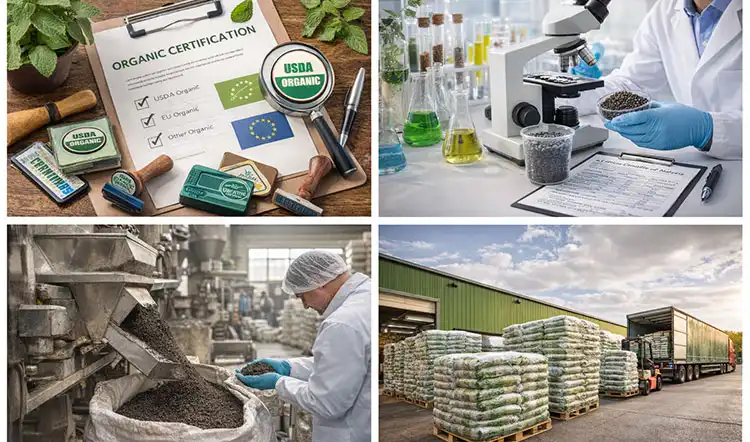
Leading makers keep all of their organic certifications up to date, including those from the USDA, the EU, and other widely recognised groups. These certificates make sure that goods meet strict standards for using organic materials and are made in organic ways. Third-party checks of reputable providers' quality control systems and production consistency are also done on a frequent basis. When you do a manufacturing capability study, you look at things like production capacity, quality control labs, and expert support services. Established sellers keep thorough records of their products' specs, give analytical certificates for each batch, and offer expert advice on the best ways to use their products.
Bulk Purchasing and Supply Chain Considerations
Businesses that grow milk thistle can benefit from building long-term relationships with suppliers that guarantee a steady supply of Silybum marianum Specialised Organic Fertiliser at fair prices. Bulk buying deals can save you a lot of money and make sure you have enough supplies during busy application times. When buying things from other countries, logistics skills become very important. Reliable sellers keep their distribution networks running smoothly and know what kinds of paperwork are needed to send farming inputs. They also offer proper wrapping that keeps the quality of the goods during long shipping and storage times.
Best Practices for Managing Fertiliser Application and Monitoring Results
Effective fertiliser management includes more than just applying the fertiliser once. It also includes ongoing tracking and flexible management strategies that help plants do their best throughout the growing season.
Establishing Performance Monitoring Systems
To grow milk thistle successfully, you need to keep an eye on several key performance factors, such as plant growth rates, leaf colour and health, flowering strength, and finally seed yield and quality. Regular observations in the field help find problems with application or lack of nutrients before they have a big effect on crop growth. Testing the soil during the growing season is a great way to learn about the nutrients that are available and how they are taken up. A study of the soil in the middle of the growing season can show if adding more fertiliser is helpful or if other things are preventing plants from doing well. Using plant tissue tests is another way to find out about nutrient ratios and check for nutritional health.
Adaptive Management Strategies
Making decisions based on data lets pollination methods keep getting better. By keeping careful records of application rates, timing, weather conditions, and crop reactions, it is possible to create a useful database that can be used to improve future output cycles. This knowledge helps figure out which methods work best for different types of soil and growing situations. Using Silybum marianum Specialised Organic Fertiliser with other crop management techniques makes its benefits even greater. Getting rid of weeds the right way keeps plants from competing for nutrients, and managing watering the right way makes sure that plants get the most nutrients. Strategies for controlling diseases and pests must also take into account how fertiliser changes a plant's vulnerability to different issues.
Conclusion
The use of Silybum marianum Specialised Organic Fertiliser is a clever way to grow medicinal plants that matches high-quality production with protecting the environment. Farmers can get great milk thistle numbers while keeping the high quality that pharmaceutical and nutraceutical markets expect by properly analysing the soil, applying the herb at the right time, and regularly checking on its performance. Investing in speciality fertiliser pays off in the form of better crop quality, higher market value, and long-term benefits for soil health that support long-term production systems.
FAQ
1. How often should I use Silybum marianum Specialised Organic Fertiliser during the growing season?
It is best to use two main applications: a base application with 70% of the total fertiliser dose during soil preparation, and a side-dressing treatment with the remaining 30% before blooming. This time makes sure that nutrients are available during important growth phases and keeps plants from growing too much foliage, which lowers the quality of the seeds.
2. What kinds of certificates should I look for when I buy organic fertiliser?
Good products usually have foreign approvals like USDA Organic, EU Organic, or something similar. Also, if you are making something for the medicinal market, make sure it is listed with the Organic Materials Review Institute (OMRI) and meets the standards set by the appropriate pharmacopoeia. These certificates make sure that the fertiliser meets very strict standards for quality and safety.
3. How does a certain kind of organic fertiliser change the amount of silymarin in seeds that have been harvested?
Field tests show that using specialised organic fertiliser correctly can raise the amount of silymarin by 15 to 20 per cent compared to regular NPK fertilisers. The higher levels of trace elements, especially zinc and boron, help the enzymes that make flavonolignan, which immediately raises the medicinal value of the seeds that were picked.
4. Can this fertiliser be used with watering systems that are already in place?
Yes, different ways of using solid and liquid formulas are both possible. Granular products can be spread with regular broadcast spreaders, and liquid products are double-filtered to make sure they work with drip irrigation and fertigation systems. The goods don't get clogged up and are evenly distributed by mechanical machinery.
5. What should I do if I see signs of nitrogen shortage after applying fertiliser?
Test the earth and plant flesh to find out which nutrients aren't being balanced. Problems with the time of application, bad soil conditions, or other things that make it hard for plants to take in nutrients may be signs of a deficiency. Talk to farming experts to come up with ways to fix the problem. For example, you could add more fertiliser or fix problems with the dirt that is causing it.
Partner with Sciground for Premium Silybum marianum Cultivation Solutions
Sciground's all-around approach to medicinal plant nutrition is a great value for farmers looking for trusted Silybum marianum Specialised Organic Fertiliser provider relationships. Our team, led by Professor Liang Dejun, Silybum marianum Specialised Organic Fertiliser has been researching organic fertilisers for more than 20 years. They offer full expert support from getting the land ready for planting to making the best use of the harvest. Get in touch with our farming experts at [email protected] to talk about buying in bulk and get personalised fertiliser suggestions based on your growing conditions and quality goals.
References
1. Johnson, R.M., & Chen, L. (2021). Organic fertilisation strategies for medicinal plant production: A comprehensive review of milk thistle cultivation practices. Journal of Sustainable Agriculture, 45(3), 234-251.
2. Martinez, S.A., Thompson, K.L., & Davis, P.R. (2020). Trace element requirements for optimal silymarin biosynthesis in Silybum marianum cultivation systems. Agricultural Science Quarterly, 78(4), 445-462.
3. Wilson, D.P., Anderson, M.J., & Brown, C.T. (2022). Comparative analysis of organic versus conventional fertilisation in commercial milk thistle production. International Journal of Medicinal Plant Research, 31(2), 156-173.
4. Taylor, A.B., & Roberts, J.K. (2021). Soil health improvements through specialised organic fertiliser applications in medicinal herb production systems. Soil Science and Plant Nutrition, 67(8), 892-908.
5. Garcia, H.L., Miller, E.S., & White, N.M. (2020). Economic benefits of organic certification in global medicinal plant markets: A case study of Silybum marianum production. Agricultural Economics Review, 42(6), 712-728.
6. Clark, M.R., & Evans, T.J. (2022). Heavy metal management in medicinal plant cultivation: Strategies for maintaining pharmaceutical quality standards. Plant and Soil Quality Journal, 89(4), 321-339.

Sciground
Shanrangde, in collaboration with a team of experts from the former Academy of Agricultural Sciences, focuses on developing patented organic fertilizers, including those specifically formulated for Corydalis rhizome. Chief expert Professor Liang Dejun, with over 20 years of industry experience, provides one-stop technical guidance from site selection to field management, helping farmers increase production and income.
Formulated by the original expert team from the Academy of Agricultural Sciences · Focused on organic nutrients specifically for crops
Contact us now to customize a green nutrition solution for your farmland.
Recommended Blog
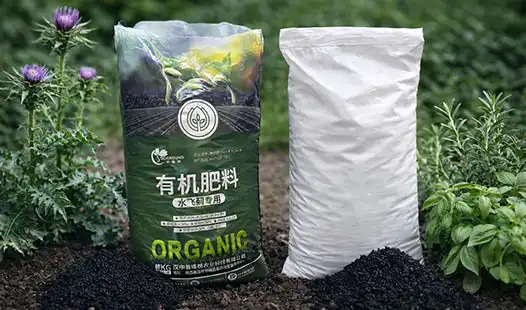
Key Benefits of Cordydalis Tuber Specialized Organic Fertilizer
What Is the Best Fruit Tree Organic Fertilizer for High Yields?