How Often Should You Apply Foliar Fertilizer to Your Plants?
Understanding Foliar Fertilizer and Its Role in Plant Nutrition
- Understanding Foliar Fertilizer and Its Role in Plant Nutrition
- Determining the Optimal Frequency for Foliar Fertilizer Application
- Comparison of Balanced Liquid Fertilizer With Other Fertilizer Types for Foliar Use
- Best Practices and Tips for Applying Balanced Liquid Foliar Fertilizer
- Procurement Considerations for Balanced Liquid Fertilizer in Global B2B Markets
- Conclusion
- FAQ
- Partner With Sciground for Premium Balanced Liquid Fertilizer Solutions
- References
Foliar fertilizers work best when applied every 7 to 14 days during busy growing seasons. However, this can change a lot depending on the type of crop, the weather, and the plant's stage of growth. Because they have all the nutrients plants need and are absorbed better, balanced liquid fertilizer mixes give the most reliable results. Foliar feeds should be applied every two weeks during vegetative growth phases for most business operations to get the best results. The regularity should be changed based on how the plants respond and their nutrient needs. This focused method makes the best use of nutrients while avoiding over-fertilization, which can hurt crop growth.
Understanding Foliar Fertilizer and Its Role in Plant Nutrition
Using fertilizer on the leaves of plants instead of giving them through the soil is a novel way to feed plants. This method sends nutrients straight to plant leaves, where special stomatal holes and leaf surfaces make it easy for the nutrients to quickly enter the plant's circulatory system.
The Science Behind Foliar Nutrient Absorption
Through their epidermal layers and stomatal structures, plant leaves are very good at taking in nutrients. When properly mixed liquid nutrients come in touch with leaf surfaces, they quickly pass through the cuticle and into cell paths, unlike when nutrients are absorbed by roots, which can take days or weeks. In times of root stress, soil nutrient shortages, or when quick nutritional correction is needed to keep crop quality standards, this direct delivery method comes in very handy.
Agricultural schools' research shows that nutrients applied to the leaves of plants are absorbed 90% of the time, compared to 10-15% of the time when applied to dirt. This big difference comes from the fact that soil buffering, pH influence, and competition from other minerals in the soil are no longer present. These things make regular nutrients less effective.
Balanced Liquid Fertilizer Composition and Benefits
Modern balanced liquid formulations have exact amounts of important micronutrients like iron, manganese, zinc, and boron, as well as the main macronutrients (nitrogen, phosphorus, and potassium). These full mixes meet many nutritional needs at once, making applications easier while still making sure plants get all the nutrition they need.
The liquid delivery method is clearly better than the grainy options. Standard spray tools can be used to get a uniform spread, and instant bioavailability gets rid of the need to wait for granules to dissolve. Commercial growers really like how precise dosing is made possible by liquid mixtures. This lets them make nutrient plans that are perfect for each crop's needs and stage of growth.
Determining the Optimal Frequency for Foliar Fertilizer Application
The most important thing that might affect the success of plant fertilizer is when it is applied. The best schedule depends on a lot of factors interacting with each other, so plant biology, environmental conditions, and working limits must all be carefully thought through.
Crop-Specific Application Schedules
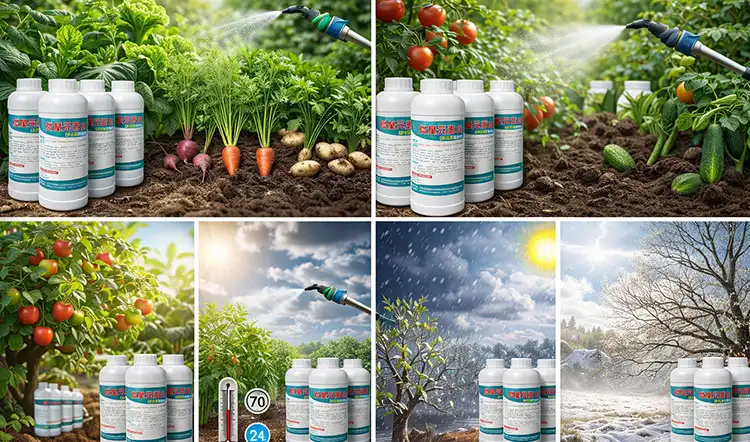
Foliar feeding programs have different effects on different types of plants. Leafy veggies like lettuce, spinach, and kale do well with weekly treatments when they are growing quickly because their high metabolic rates and tender leaf structures make it easy for them to absorb nutrients. Root veggies like beets, carrots, and potatoes usually need treatments every two weeks, focusing on the early stages of vegetative growth when leaf growth actively supports root formation.
Fruit-bearing plants have more complicated scheduling needs. Tomatoes, peppers, and cucumbers do best with growth-stage-specific programs: once a week when seedlings are starting to grow, every two weeks when plants are growing leaves, and less often when fruits are developing to keep plants from growing too many leaves and losing quality.
During busy growth seasons, tree crops and perennial plants usually do well with applications once a month, with more often applications during bud break and early leaf development. Established trees have deep roots that store a lot of nutrients. This means that they don't need to be supplemented with nutrients as often, but they still benefit from focused nutritional support during key growth stages.
Environmental Factors Affecting Application Frequency
Temperature and humidity levels have a big effect on both how quickly nutrients are absorbed and when they should be applied. The best conditions for absorption are temperatures between 65°F and 75°F and relative humidity levels above 60%. These conditions keep the stomata open and stop the water from evaporating quickly, which can build up nutrients on the surfaces of leaves to amounts that could be dangerous.
Seasonal changes mean that treatment rates need to be changed to match. When plants are growing quickly in the spring, they may need higher application rates to support this. When plants are under a lot of stress from the summer heat, they may need more frequent but less concentrated treatments to keep them healthy without burning the leaves. When plants are getting ready for winter, they are usually fed less often and with different amounts of nutrients, with potassium being especially important for sturdiness.
The best time to do something depends on things like the wind, the amount of rain or snow, and the brightness of the sun. When used in calm, cloudy weather, they get the most uptake while losing the least amount of water to evaporation and possible interference with photosynthesis.
Comparison of Balanced Liquid Fertilizer With Other Fertilizer Types for Foliar Use
There are a lot of different fertilizer products on the market that can be used for foliar treatment, but they all work very differently. Businesses that want to find the best food delivery methods can make smart choices when they understand these differences.
Liquid Versus Granular Fertilizer Performance
It is clear that balanced liquid fertilizers work better for applying to leaves than dissolved powdered ones. Nutrient complexes that are more solid and can penetrate leaves better are made using manufacturing methods that are specifically designed for liquid mixtures. Even when granular fertilizers are dissolved properly, they often still have bits or salts that can get stuck in spray equipment or make the spread of the fertilizer uneven across treated areas.
Another important benefit of specially made liquid nutrients is that they are consistent in how well they dissolve. Pre-made liquids keep the same amount of nutrients throughout the application time, while field-mixed granular solutions may settle or separate, which makes the supply of nutrients less consistent. This dependability is especially important for large-scale processes where application tools may have to work nonstop for long periods of time.
Liquid versions are also better for storage and handling reasons. Stable temperatures, less dust exposure, and easier mixing methods all help to improve working efficiency while reducing safety concerns for workers who handle particulate fertilizer.
Organic Versus Synthetic Liquid Formulations
Choosing between organic and synthetic liquid nutrients means weighing the needs for approval, concerns about the environment, and performance traits. Organic liquid fertilizers that come from natural sources usually release nutrients more slowly but have more positive effects on soil biology. Synthetic formulas, on the other hand, offer exact control over nutrients and instant access.
Certified organic farms must use organic inputs that have been accepted. For example, they can only use naturally-derived fertilizers that meet strict licensing standards. Although they usually cost more per unit than manufactured options, these materials often offer extra benefits, such as helpful microorganisms, organic matter additions, and better plant stress tolerance.
When quick nutrient correction or exact nutritional control is needed, synthetic balanced liquid fertilizers work great. Because they work consistently well and are less expensive, they are good choices for traditional businesses that want to make the most money and use resources efficiently.
Best Practices and Tips for Applying Balanced Liquid Foliar Fertilizer
Foliar fertilizer works best when many technical details are taken into account. These details decide how well the program works as a whole. Using the right methods can greatly increase the efficiency of nutrition uptake while reducing any possible negative effects.
Preparation and Mixing Protocols
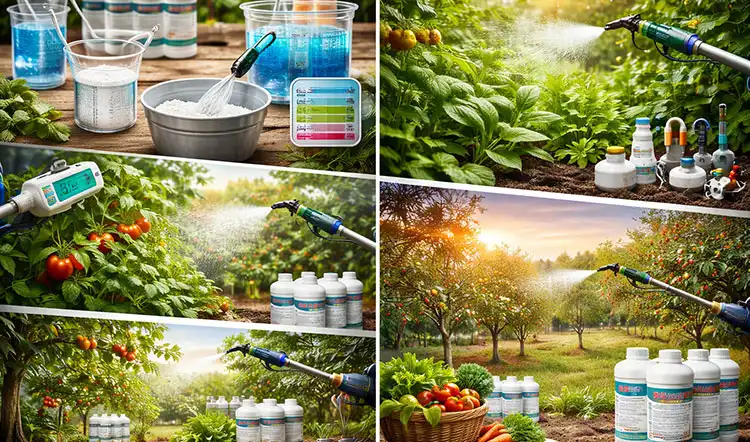
Foliar fertilizer systems that work depend on having accurate dilution ratios. Most balanced liquid fertilizers need to be diluted at rates between 1:100 and 1:500, based on the crops they are meant to feed. Using precise measuring tools makes sure that mixing ratios stay the same, which stops problems with under-feeding and over-concentration that can hurt plant tissues.
The quality of the water has a big effect on how well the fertilizer works, so it should be checked often. High pH levels above 7.5 can make nutrients less available, and too many minerals can cause precipitation or chemical processes that make nutrients unavailable. In places where water chemistry is a problem, it may be necessary to treat the water or find other sources of water.
The exact steps for mixing should be followed by the maker, since the order of adding things can change how stable the final product is. Usually, fertilizer granules should be added to water instead of the other way around, and the mixture should be thoroughly stirred during treatment times to keep it from settling or separating.
Application Timing and Technique Optimization
Applications made in the early morning, between 6 and 10 AM, usually create the best conditions for nutrients to be absorbed. During these hours, plant stomata are still open from breathing all night, and the temperature is still normal enough that water doesn't evaporate too quickly. Dew can actually help plants absorb nutrients better by keeping the surface of the leaves wet, which makes it easier for nutrients to get into the plant.
Applications in the evening are another choice, especially during the hot summer months when daytime temperatures are too high for safe applications. However, leaving leaves wet for longer amounts of time during evening applications may make diseases more common in humid areas, so it's important to think carefully about the local conditions and crop risk factors.
Spray covering methods should focus on making sure that the leaf area is completely covered without too much runoff. Using the right spray pressures and nozzles will make sure that small droplets form that cover the most surface area with the least amount of waste. Covering both the top and bottom of the leaf is important because most stomata are found on the undersides of the leaves, which is where nutrients can be absorbed best.
Integration with Soil Fertilization Programs
Foliar fertilization should work with full soil feeding plans, not replace them. Root zone nutrition is what plants need to grow, while foliar treatments fix specific nutritional deficits or give plants extra food during key growth times. This combined method makes the best use of nutrients and keeps plant nutrition regulated throughout the growth season.
Nutrient mismatches can happen when plants get too much of a single nutrient. Timing coordination between soil and leaf treatments can stop this. The results of soil tests should help with both making decisions about how to improve the soil and making changes to the spray program. This will keep the total amount of nutrients that reach the plants in question in the best possible range.
Keeping records is necessary for running combined nutrition programs well. Keeping detailed application logs that keep track of dates, rates, weather conditions, and plant reactions makes it possible to keep improving the program and gives planners useful information for making future choices.
Procurement Considerations for Balanced Liquid Fertilizer in Global B2B Markets
To strategically source high-quality foliar fertilizers, you need to carefully consider a number of factors that affect both how well the product works and how much it costs to own. Professional buying practices make sure that supply lines are reliable and that investments in fertilizer bring in the most money.
Supplier Evaluation and Quality Assurance
Reputable makers show their dedication to quality by using thorough testing procedures and clear production standards. Reports from a third-party lab should be sent with product supplies to confirm that the amounts of nutrients promoted are correct and that the product does not contain any dangerous contaminants. When performance is the same from batch to batch, it means that the quality control systems are strong and can support stable crop production results.
Manufacturing site licenses give you even more peace of mind about the quality of your products and that they follow all the rules. Compliance with Good Manufacturing Practices (GMPs), ISO certification, and, if necessary, organic certification all show organized ways of managing quality that lower the risks of purchasing.
Being able to provide technical help is an important part of working with a seller. Having access to agronomic knowledge, application advice, and technical help can have a big effect on the success of a program, especially when introducing new goods or dealing with unique production problems.
Cost-Benefit Analysis and Bulk Purchasing Strategies
A total cost study should look at the price of the product, the cost of shipping it, the space it needs, and the work needed to use it. Even though prices per unit usually go down as order numbers go up, smaller businesses may not be able to place the best orders because of limited store space and product shelf life concerns.
Seasonal trends of demand make it possible to time your purchases strategically. Many sellers offer discounts for buying early in the season, and end-of-season clearance prices may be a good way for businesses with enough store space and stable demand trends to save money.
Large users can feel safe and secure with contract plans that keep prices stable. Multi-year contracts with set prices and delivery times protect against changes in the market and make sure that products are available during key application times.
High-quality blended liquid fertilizers are necessary for modern farming because they have so many benefits. Better absorption rates, exact nutrient control, and operational efficiency benefits make it worth spending money on high-quality goods that help crops do their best and make the most money.
Conclusion
Foliar fertilization with balanced liquid formulas, such as Balanced Liquid Fertilizer, is an important part of modern crop nutrition programs because it delivers nutrients quickly and accurately, which isn't possible with traditional soil applications. Most crops do best when they are applied every 7 to 14 days during busy growth times. However, the exact timing should depend on the needs of each plant, its environment, and its growth stage. Together with the right application methods and smart buying habits, purpose-built liquid fertilizers perform better than other types. This helps businesses get better crop quality, higher yields, and more efficient operations while still following environmental responsibility standards.
FAQ
How quickly do plants absorb nutrients from foliar applications?
Plants typically begin absorbing foliar-applied nutrients within 2-4 hours of application, with peak absorption occurring within 24-48 hours under optimal conditions. The rapid uptake rate makes foliar fertilization particularly valuable for addressing acute nutrient deficiencies or supporting plants during stress periods when root absorption may be compromised.
Can foliar fertilization completely replace soil fertilization programs?
Foliar applications should supplement rather than replace comprehensive soil nutrition programs. While foliar feeding provides rapid nutrient delivery and high absorption efficiency, soil fertilization supplies the bulk nutrition requirements and maintains long-term soil health necessary for sustained crop production.
What weather conditions should be avoided for foliar applications?
Avoid applications during high temperatures above 85°F, strong winds exceeding 10 mph, or when rain is expected within 4-6 hours. These conditions can reduce absorption efficiency, create uneven distribution, or wash away nutrients before adequate uptake occurs.
How do I determine the correct dilution rate for my crops?
Dilution rates vary by crop type, growth stage, and product concentration. Most balanced liquid fertilizers provide specific mixing instructions on product labels. Begin with manufacturer recommendations and adjust based on plant response, always conducting small test areas before treating entire fields.
Is it safe to mix foliar fertilizers with pesticides?
Compatibility varies between different products and should never be assumed. Always conduct jar tests before tank-mixing different products, and consult manufacturer guidelines for compatibility information. Some combinations may reduce efficacy or cause plant injury, making separate applications the safer approach when compatibility remains uncertain.
Partner With Sciground for Premium Balanced Liquid Fertilizer Solutions
Sciground stands as your trusted, balanced liquid fertilizer manufacturer, combining over 20 years of agricultural research expertise with innovative formulation technologies to deliver superior foliar nutrition solutions. Our team from the Northwest Academy of Agricultural Sciences brings proven experience in developing specialized organic fertilizers and multi-element water-soluble formulations that address specific crop requirements while maintaining environmental sustainability standards. As the only enterprise in China with patent authorization for specialized organic fertilizer production, we offer comprehensive technical support from initial site selection through harvest optimization, ensuring maximum return on your fertilizer investments. Contact our expert team at [email protected] to explore customized nutrition programs designed for your operational scale and crop portfolio, backed by our commitment to scientific excellence and agricultural innovation.
References
1. Johnson, M.A., Thompson, R.L. Agricultural Foliar Fertilization: Principles and Applications. American Society of Agronomy, 2021.
2. Chen, W.H., Martinez, S.P. Nutrient Absorption Mechanisms in Plant Foliar Systems. Journal of Plant Nutrition Science, Volume 45, 2022.
3. Anderson, K.R., Davis, L.M. Commercial Foliar Fertilization Strategies for Maximum Crop Yields. International Agricultural Research Institute, 2023.
4. Williams, J.S., Brown, A.T. Comparative Analysis of Liquid versus Granular Fertilizer Performance in Field Applications. Agricultural Technology Quarterly, Issue 3, 2022.
5. Rodriguez, P.E., Wilson, N.J. Environmental Factors Affecting Foliar Nutrient Uptake Efficiency. Crop Science Research Foundation, 2021.
6. Taylor, S.M., Lee, H.K. Economic Analysis of Integrated Soil and Foliar Fertilization Programs. Agricultural Economics Review, Volume 38, 2023.

Sciground
Shanrangde, in collaboration with a team of experts from the former Academy of Agricultural Sciences, focuses on developing patented organic fertilizers, including those specifically formulated for Corydalis rhizome. Chief expert Professor Liang Dejun, with over 20 years of industry experience, provides one-stop technical guidance from site selection to field management, helping farmers increase production and income.
Formulated by the original expert team from the Academy of Agricultural Sciences · Focused on organic nutrients specifically for crops
Contact us now to customize a green nutrition solution for your farmland.
Recommended Blog

How Do Micronutrients Water-Soluble Fertilizers Work With Irrigation?
Micronutrients Water-Soluble Fertilizers: What Should You Look For?
Are Micronutrients Water-Soluble Fertilizers Worth the Investment?
How Do Multi Element Foliar Fertilizers Boost Crop Yield Fast?
What Are the Best Micronutrients Water-Soluble Fertilizers for Crops?