How Do Natural Fertilizers Enhance Plant Growth?
Understanding Natural Fertilizers and Their Role in Plant Growth
- Understanding Natural Fertilizers and Their Role in Plant Growth
- Comparing Natural Fertilizers with Chemical Fertilizers: Benefits and Trade-Offs
- How to Select and Procure the Best Natural Fertilizer for Your Needs
- Implementing Natural Fertilizers in Your Operations: Best Practices and Case Studies
- Future Outlook and Trends in Natural Fertilizer Use for B2B Clients
- Conclusion
- FAQ
- Partner with Sciground for Premium Natural Fertilizer Solutions
- References
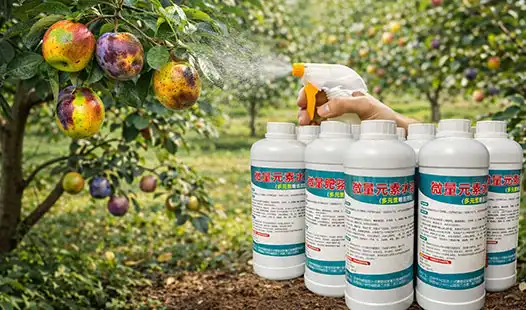
Foliar fertilizers help plants grow much faster by delivering Natural fertilizer nutrients directly through the leaf surface. They do this by skipping over the soil barriers that slow down other fertilization methods. This way of feeding plants through their leaves lets them take in important nutrients much faster—within hours instead of days—than when they are only fertilized in the soil. As a result, growth speeds up by 15 to 30 percent, which can be seen and measured. Stomata and cuticles let nutrients enter directly, which makes the plant more efficient at taking them in. This lets them quickly get to the plant's blood vessels and metabolic processes that make it grow faster.
Understanding Natural Fertilizers and Their Role in Plant Growth
More and more, foliar nutrition systems are important in modern farming because they bring nutrients directly to plant leaves. Their changes have affected how we feed plants and help them grow. The old ways of feeding plants through the soil were very different from these new fertilizers. You can decide when to apply nutrients and how well they are absorbed better than ever before.
The Science Behind Organic Matter Enhancement
Plants take in foliar fertilizers in two main ways: through stomatal uptake and cuticular penetration. Stomata are the small holes on the leaves' surfaces that connect directly to the plant's system for moving things around. These pores open up during active photosynthesis so gases can flow through. This makes the best conditions for taking in nutrients. Foods get into the cuticular pathway through tiny holes in the leaf's waxy surface. So, even when the stomata are closed, the plant can still get food. It takes 3 to 10 days for nutrients applied to the soil to reach metabolic centers, but nutrients applied to the leaves get there 30 minutes to 6 hours faster. Because of this fast delivery system, farmers can see changes in the plants 24 to 48 hours after applying the chemical, especially when the plants are going through important growth stages like flower and fruit development.
Beneficial Microorganisms and Root Zone Ecology
As far as farming goes and crop needs go, there are different kinds of leaf application fertilizers. Since they are easy to mix and absorb quickly, liquid concentrates are great for large-scale commercial use. Usually, surfactants lower the surface tension of these mixtures. It's easier for the product to cover and get into the leaves this way. When you buy in bulk, powdered formulations are cheaper and can be kept for longer. When you transport nutrients, powders that dissolve completely in water keep them stable and keep the nozzles on your spray equipment from getting clogged. Vegan farming uses organic formulas that are made from amino acid complexes, seaweed, Natural fertilizer, and plant extracts. Artificial formulas, on the other hand, have exact amounts of nutrients for plants that need them.
Comparing Natural Fertilizers with Chemical Fertilizers: Benefits and Trade-Offs
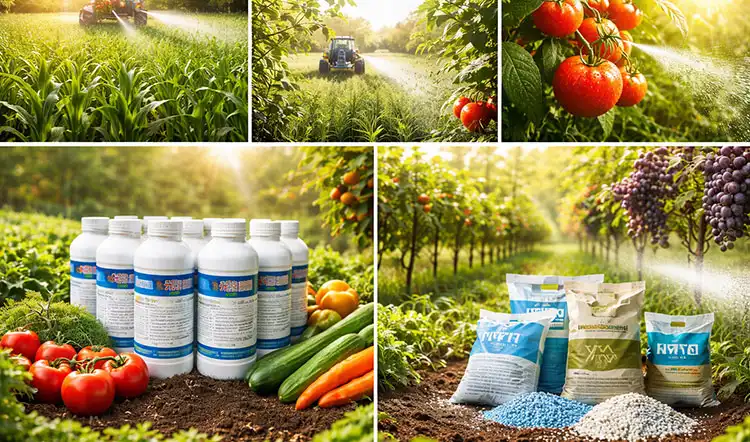
It's good for crops to have nutrition programs that are tailored to their specific needs and how they grow. Foliar nitrogen works very well when applied to cereal crops like corn and wheat during the flag leaf stage. This makes the grains heavier and higher in protein. Sprays on the leaves of vegetable plants, especially peppers and tomatoes, that are high in calcium help keep blossom end rot away and make the fruit better.
Nutrient Release Dynamics and Soil Health Impact
Different foliar programs are used on fruit trees and vineyards at key points in their growth. To stop bitter pits during fruit sizing, apple orchards use calcium sprays. During veraison, vineyards use potassium-rich sprays to help sugar build up and color develop. Foliar nutrition works with soil fertilization programs, not instead of them. This article shows some specific ways it can be used.
Environmental and Economic Considerations
Numerous studies have shown that regular soil nutrition programs and fertilizers that go on top of plants work very well together. Their effect is to speed up plant growth. If farmers and procurement professionals know the effects that can be measured, they can use facts to decide if they want to use these technologies in their businesses.
How to Select and Procure the Best Natural Fertilizer for Your Needs
University studies have shown that applying fertilizer to the leaves at the right time can boost growth rates by 20–35% compared to fertilizing only the soil in some growing areas. The Agricultural Research Service did a big study that showed corn leaves came out 28% faster when foliar nitrogen was used at the V6 growth stage. The same thing was shown with tomatoes: foliar sprays high in potassium that were used during fruit set sped up fruit development by 25%.
Matching Fertilizer Characteristics to Operational Requirements
Foliar feeding avoids nutrient problems in the soil, such as pH changes, compaction, and competition between microbes, which is why it improves growth. The plants can get the nutrients they need right away, which keeps their metabolism at its best even when they are stressed and can't take in as much through their roots. This food insurance policy, natural fertilizer, comes in handy during droughts, cold snaps, natural disasters, or times when a lot of people need food.
Supplier Evaluation and Quality Assurance
Feeding plants through their leaves will only work if it is done at the right time, based on their stage of growth and the environment they are in. The stomata are fully open, and the humidity is high enough to keep the leaves wet for longer when the chemicals are applied early in the morning, between 6 and 9 AM. Applying after 5 p.m. in the evening has the same benefits, but it avoids the heat stress that can close stomata in the middle of the day.
Implementing Natural Fertilizers in Your Operations: Best Practices and Case Studies
For most speed gains, timing during the growth stage is also very important. For vegetative growth stages, mixtures high in nitrogen work best, while for reproductive stages, mixtures high in phosphorus and potassium work best. Different amounts of nutrients are needed at different stages of root growth. It is very important to get enough phosphorus and micronutrients that help cells divide and grow.
Application Techniques and Timing Strategies
Foliar feeding can sometimes speed up growth more than soil applications when we look at them side by side. When the soil is cold, and the roots can't do much, the leaves can still help the plant stay healthy by taking in nutrients. Foliar micronutrient programs that work well in alkaline soils that bind micronutrients like iron and zinc are a good way to get around problems with the soil's chemistry.
Real-World Success Stories and Measured Results
For less money, foliar fertilizers work just as well or better than other types of fertilizers, according to a cost-effectiveness analysis. For most soils, 50 to 100 pounds of nitrogen per acre is enough. For foliage programs, 5 to 15 pounds of nitrogen per acre spread out over the growing season can get the same growth results.
Future Outlook and Trends in Natural Fertilizer Use for B2B Clients
You need to carefully think about a number of things that will directly affect how well the crops do and how much money the business makes when you choose the right foliar fertilizers. It is important to think about long-term business goals along with the nutrient content, formulation compatibility, natural fertilizer, and crop-specific needs when making a choice.
Technological Innovations and Product Development
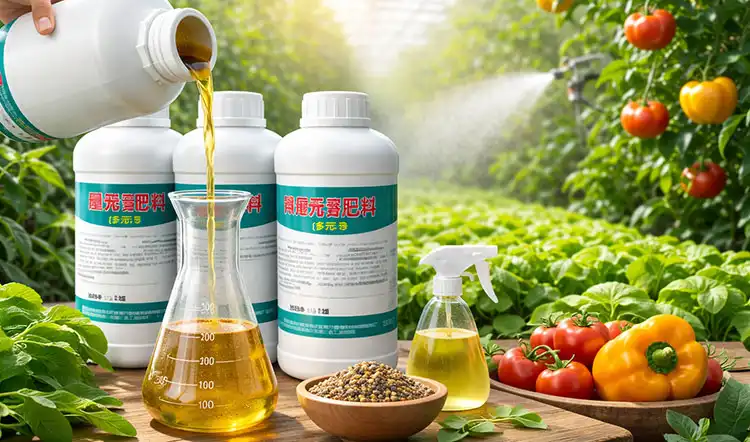
These days, leaf application fertilizers have just the right amount of nutrients to help plants grow and react in certain ways. Monounsaturated fats (mainly nitrogen, phosphorus, and potassium) make up most formulations. These nutrients are added at different rates depending on the type of crop and when it is done. High-nitrogen (20-5-5) formulas help plants make new stems and leaves, and balanced (15-15-15) formulas give plants all the nutrients they need when they are going through changes.
Market Dynamics and Regulatory Environment
The main difference between basic and premium formulations is that premium formulations have more micronutrients. Because they keep cells running and enzymes active, iron, zinc, manganese, and boron play a big role in how quickly plants grow. It costs more to get chelated micronutrients because they work better and don't need to be used as often, but they are worth it because they are more stable and are absorbed better.
Conclusion
Foliar fertilizer is made by both well-known companies and new, specialized companies that are coming up with cutting-edge recipes. Some of the best suppliers offer a lot of technical help, like tips on when to apply, services for testing compatibility, and nutrition plans that are made just for each crop. For the best return on investment, especially in specialty crops that are worth a lot, you need these services that add value.
FAQ
1. What makes natural fertilizers more effective than synthetic alternatives?
ISO quality certifications and listing by the Organic Materials Review Institute (OMRI) are two examples of certification standards that show that manufacturing processes are reliable and product quality is consistent. Big buyers are less likely to run into problems when suppliers keep these certifications. This shows that they are serious about following the rules and making great products.
2. How do natural fertilizers improve soil health over time?
Depending on your market, the rules, and your crop quality goals, you should use either organic or synthetic foliar fertilizers. People want products that are good for the environment, and organic formulas made from plant extracts and natural sources help farms stay in business. These products tend to work more slowly but for a longer time than synthetic alternatives.
3. Can natural fertilizers provide adequate nutrition for high-yield crops?
It is possible to precisely control nutrients and get plants to respond quickly with chemical formulations, which is helpful during key growth windows. Farmers have more choices for how to solve certain crop problems when they can change the amounts of nutrients and add special ingredients like plant growth regulators. Using both organic and synthetic products together can be good for many businesses. Organic products are good for basic nutrition, and synthetic products are good for specific interventions.
4. What factors should guide natural fertilizer selection for specific crops?
With a good procurement strategy, you can always get the products you need while keeping costs low and quality high. For buyers to get good deals and build strong supply chains that keep things running smoothly, they need to know how the market works and what suppliers can do.
5. How do storage and handling requirements differ for natural fertilizers?
When you buy in bulk, the best prices, technical support, and supply security come from dealing directly with manufacturers. As part of these partnerships, you can expect customized formulations, options for bulk packaging, and priority allocation during supply shortages. Regional distributors help small businesses by giving them access to local stock, a variety of products, and growing tips that are tailored to the conditions in the area.
Partner with Sciground for Premium Natural Fertilizer Solutions
Online stores have become useful for buying things, especially Natural fertilizer, when you need standard items or need to buy something quickly. However, people who want to buy something should make sure that it is real and that it was stored correctly, since handling nutrients incorrectly can make them less stable and less useful. Older businesses that have both a physical and an online presence often offer the best mix of ease of use and dependability.
References
1. Brady, N.C., & Weil, R.R. (2017). The Nature and Properties of Soils, 15th Edition. Pearson Education, Inc.
2. Gyaneshwar, P., Kumar, G.N., Parekh, L.J., & Poole, P.S. (2002). Role of soil microorganisms in improving P nutrition of plants. Plant and Soil, 245(1), 83-93.
3. Havlin, J.L., Tisdale, S.L., Nelson, W.L., & Beaton, J.D. (2014). Soil Fertility and Fertilizers: An Introduction to Nutrient Management, 8th Edition. Pearson Education, Inc.
4. Laird, D.A., Fleming, P., Davis, D.D., Horton, R., Wang, B., & Karlen, D.L. (2010). Impact of biochar amendments on the quality of a typical Midwestern agricultural soil. Geoderma, 158(3-4), 443-449.
5. Schimel, J.P., & Bennett, J. (2004). Nitrogen mineralization: challenges of a changing paradigm. Ecology, 85(3), 591-602.
6. Zhai, Z., Ehret, D.L., Forge, T., Helmer, T., Lin, W., Dorais, M., & Papadopoulos, A.P. (2009). Organic fertilizers for greenhouse tomatoes: productivity and substrate microbiology. HortScience, 44(3), 800-809.

Sciground
Shanrangde, in collaboration with a team of experts from the former Academy of Agricultural Sciences, focuses on developing patented organic fertilizers, including those specifically formulated for Corydalis rhizome. Chief expert Professor Liang Dejun, with over 20 years of industry experience, provides one-stop technical guidance from site selection to field management, helping farmers increase production and income.
Formulated by the original expert team from the Academy of Agricultural Sciences · Focused on organic nutrients specifically for crops
Contact us now to customize a green nutrition solution for your farmland.
Recommended Blog
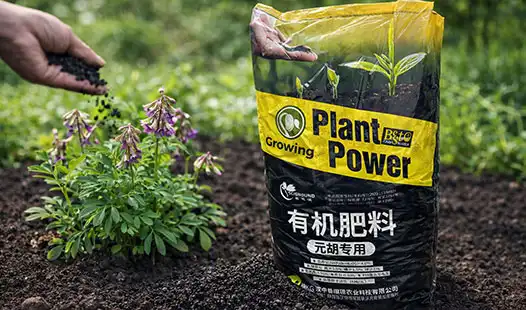
Key Benefits of Cordydalis Tuber Specialized Organic Fertilizer
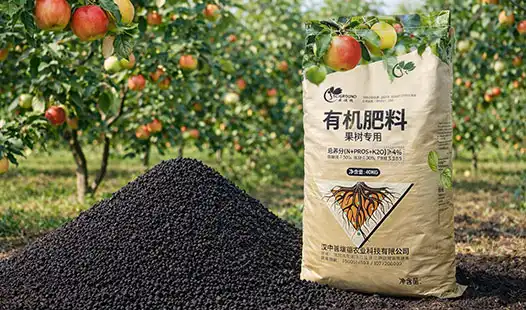
What Is the Best Fruit Tree Organic Fertilizer for High Yields?