Why Is Wholesale Fruit Tree Organic Fertilizer Ideal for Tuber Crops?
Understanding Wholesale Fruit Tree Organic Fertilizer and Its Relevance to Tuber Crops
- Understanding Wholesale Fruit Tree Organic Fertilizer and Its Relevance to Tuber Crops
- Core Benefits of Using Wholesale Fruit Tree Organic Fertilizer for Tuber Crops
- How to Effectively Use Wholesale Fruit Tree Organic Fertilizer for Tuber Crops
- How to Choose the Best Wholesale Organic Fertilizer for Your Tuber Crop Needs
- Future Trends and Sustainability in Organic Fertilizer for Tuber Crop Production
- Conclusion
- FAQ
- Partner with Sciground for Premium Organic Fertilizer Solutions
- References
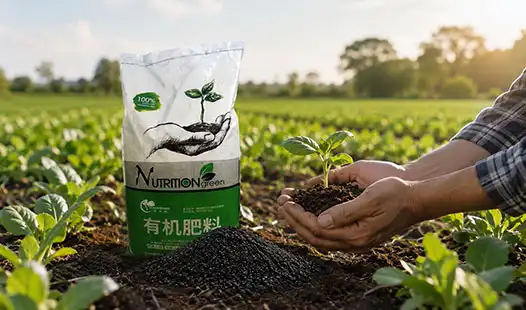
Wholesale Fruit Tree Organic Fertilizer offers tuber crops like potatoes, yams, and sweet potatoes a scientifically balanced nutritional profile, superior soil conditioning properties, and sustained-release mechanisms that align perfectly with tuber development cycles. Unlike conventional fertilizers, these bio-active formulations deliver humified organic matter and beneficial microbial consortia that improve soil structure, enhance moisture retention, and prevent common tuber disorders such as hollow heart and scab. This makes them exceptionally well-suited for large-scale tuber production where soil health directly impacts yield quality and market value.
Understanding Wholesale Fruit Tree Organic Fertilizer and Its Relevance to Tuber Crops
What Makes Fruit Tree Fertilizers Suitable for Tubers
Compost-based, manure-based, and bio-organic mixes designed for permanent fruit-bearing systems are all included in Wholesale Fruit Tree Organic Fertilizer. These mixtures deal with complicated nutritional cycles by slowly releasing nutrients at the right time for each stage of a plant's life cycle. The same things that help fruit crops grow over multiple years also help yearly tuber crops do very well because they both need the right mix of macro and micronutrients. Most of the time, these specialized fertilizers have more than 45% humified organic matter, which comes from soybean meal, fermented animal dung, or leonardite. The carbon-to-nitrogen ratio stays in the best range of 15:1 to 20:1. This makes sure that nitrogen is available without immobilizing nitrogen, which can stop root development during important growth windows.
Nutritional Synergies Between Applications
Tuber crops like potatoes, yams, and sweet potatoes need certain conditions for good soil health, like keeping water in the soil and having a lot of organic matter in it. These benefits are provided by the powdered forms of Wholesale Fruit Tree Organic Fertilizer, which break down slowly and improve the structure of the soil over time. Unlike chemical options that quickly increase nutrients and then decrease them, organic fertilizers allow nutrients to be released through mineralization processes that are controlled by bacteria in the soil. This biological activity helps the earth stay healthy and the environment last, and it also lowers the salt levels that make it hard to grow tubers in places with bad water quality.
Addressing Soil Degradation Challenges
Intensive tuber production often causes soil exhaustion syndrome, which happens when constant cropping takes away minor elements like iron, boron, and zinc while breaking down the structure of the soil. These problems can be solved with Wholesale Fruit Tree Organic Fertilizer, which delivers chelated vitamins and humic substances that improve cation exchange capacity all at the same time. By restoring the functionality of the soil, buying clients can make smart choices that improve food performance across multiple growing cycles and encourage environmentally friendly practices in their supply chains.
Core Benefits of Using Wholesale Fruit Tree Organic Fertilizer for Tuber Crops
Enhanced Tuber Development and Yield Quality
To understand the economic benefits, we need to look at how organic products affect the physiological processes of tubers as they grow. Bulk organic fertilizers have many known benefits for growing industrial tubers that have a direct effect on both the amount of tubers grown and the quality of the potatoes that are sold. Wholesale Fruit Tree Organic Fertilizer is full of nutrients that help tubers grow faster by delivering important macro and micronutrients slowly over time, which works with the stages of crop development. During the tuber swelling phase, potassium-rich versions (like 4-3-8 NPK ratios) are especially helpful because they help cells grow without too much vegetative growth, which takes resources away from making tubers.
Field tests in different potato-growing areas show that using organic fertilizer raises the potatoes' specific gravity and dry matter content, which are important factors that affect how well they are processed and how long they last in storage. The steady flow of phosphorus helps roots grow strong during establishment and stops zinc shortage caused by phosphorus, which can make tubers less regular.
Soil Health and Environmental Performance
In addition to improving nutrition right away, organic sources change the growing environment in many basic ways. Beneficial microbial groups, such as Bacillus subtilis and Trichoderma species, form mutual relationships in the rhizosphere. These groups reduce soil-borne pathogens that cause common scab and black scurf while improving the efficiency of nutrient use. Adding a lot of organic matter to the soil boosts the activity of microbes, lowers the amount of chemicals that run off, and stops soil breakdown patterns that hurt long-term land production. Creating aggregates in heavy soils improves both drainage and moisture retention in sandy profiles. This solves the problem of keeping the soil's wetness level steady, which is important for avoiding growth cracks and tuber shapes that aren't straight.
These changes in the biological activity of the soil make it less reliant on fungicides and bactericides. This lowers the cost of inputs while supporting integrated pest management practices that are being asked for more and more by big export markets and retailers.
Economic Advantages for Large-Scale Operations
Through economies of scale, buying in bulk can save you a lot of money, which has a direct effect on your business margins. When wholesalers and big growers buy Wholesale Fruit Tree Organic Fertilizer in bulk, they can usually get 20–35% off the retail price. This lowers their total input costs and helps their farming businesses grow. The long-lasting residue fertility effect means that organic treatments keep helping later crops by making the soil better and turning stable organic nitrogen pools into minerals. This carryover effect lowers the amount of fertilizer needed in cycle crops, which makes the main tuber crop more valuable. When dealers have a lot of different clients, having a versatile organic product that can be used in both fruit and veggie production makes handling inventory easier and cash flow more efficient.
How to Effectively Use Wholesale Fruit Tree Organic Fertilizer for Tuber Crops
Timing Applications to Growth Stages
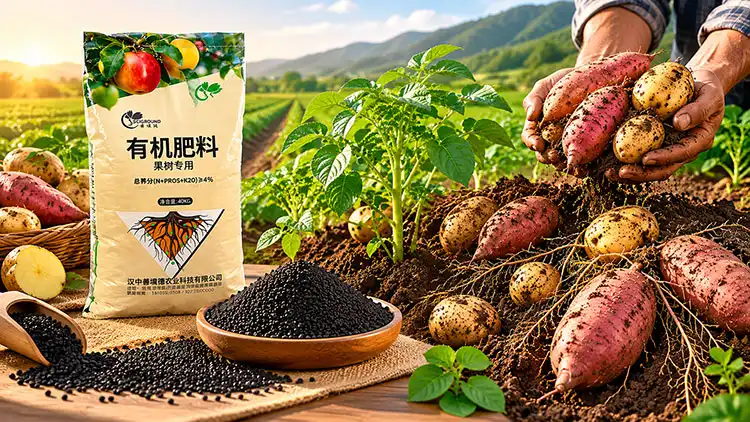
To get the most out of using Wholesale Fruit Tree Organic Fertilizer on root crops, you need to know about their growth stages and how they need nutrients. Strategic planning makes the most of how well nutrients are taken in and how healthy the food is throughout the production cycle. The most basic way to use substances in root production methods is to mix them before they are planted. Spreading grainy mixtures at rates of 800 to 1200 pounds per acre and mixing them into a depth of 6 to 8 inches through tilling makes sure that nutrients reach the active root zone. In trees, nutrients are concentrated near feeder root density peaks, which is similar to how this deep planting is used. Because organic nitrogen doesn't break down quickly, it's best to apply it two to three weeks before planting so that the plant has plenty of nutrients when it starts to grow quickly and make stolons. This time avoids a nitrogen shortage early in the season that can slow tuber set and an overabundance of nitrogen late in the season that delays maturity and lowers storage quality.
Application Methods and Dosing Guidelines
Different output scales and types of tools have big effects on how well fertilizer works, depending on how it is delivered. Broadcast application followed by inclusion works best for large-scale automated operations. On the other hand, banded placement, along with seed pieces, concentrates nutrients near growing roots in precision planting systems. Adding Wholesale Fruit Tree Organic Fertilizer to established plants or as a side-dressing during early tuber start through cultivation or hilling operations gives extra nutrition when tuber demand is high. Liquid formulas that are dissolved by enzymes allow fertigation delivery through drip systems, which gives farmers more options for growing high-value crops while watering them.
By recognizing the signs of a vitamin shortage, you can treat it quickly with supplements. Pale leaves and less vigorous growth are signs of not getting enough nitrogen, while scorched edges on the leaves show that the plant is not getting enough potassium while the tubers are growing.
Integration with Complementary Agronomic Practices
To get the most out of organic fertilizer, it needs to be coordinated with related management practices that work together to produce benefits. Precise watering control keeps the soil consistently wet, which helps microbes do their job and makes it easier for nutrients to be mineralized from organic sources. By not switching wet and dry cycles, you can stop the hormonal stress that leads to growth cracks and secondary growth, even if the plant is getting enough food. Crop rotation with small grains or legumes breaks the cycles of pests and adds nitrogen to the air through organic fixation, which lowers the need to buy nitrogen. Cover crops grown during fallow times stop soil loss, build organic matter, and keep soil life busy, all of which improve the performance of organic fertilizer later on. Implementing these combined methods will make sure that crops are healthy all around and that the dirt is well taken care of on a large scale. Wholesale Fruit Tree Organic Fertilizer boosts biological activity, which makes the soil work better over time.
How to Choose the Best Wholesale Organic Fertilizer for Your Tuber Crop Needs
Evaluating Supplier Credentials and Product Quality
To choose the best organic fertilizer for growing potatoes for sale, you need to carefully look at the supplier's licenses, the nutrients it contains, and where it came from. To make sure that accepted organic standards are met and that quality is always the same, third-party certifications like OMRI listing or USDA organic approval must be checked to make sure that the inputs are okay for certified production systems. Documentation for nutrient analyses should include not only confirmed NPK values, but also the amount of organic matter, the amount of wetness (below 20% to stop pathogens from spreading), and any helpful additives, such as humic acid concentrations above 10%. By looking into how things are made, you can tell big differences in quality between sources. High-temperature composting methods that reach thermophilic conditions above 131°F for at least three days are needed to kill pathogens and destroy weed seeds.
Packaging and Logistics Considerations
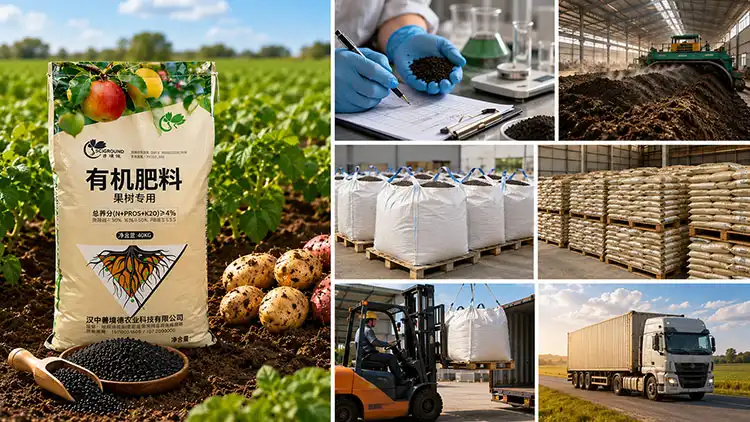
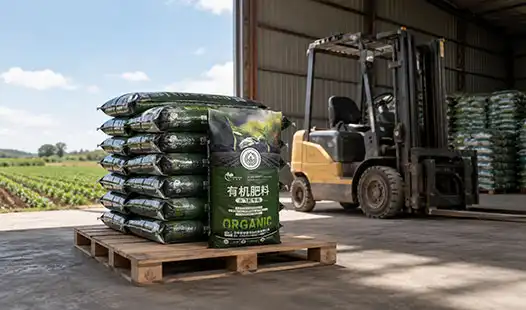
Whether you use bulk or bagged packaging has big effects on how you plan your operations, how you store your goods, and how much it costs to send everything. Wholesale Fruit Tree Organic Fertilizer is usually sent in boxes of 50-pound bags, bulk supersacks with 1000–2000 pounds of fertilizer, or free bulk loads for businesses that have the right tools to handle them. Bulk truck or rail delivery is the most cost-effective way for large growers with enough storage space and spreading equipment that can handle loose material. For mid-sized businesses, supersacks are often the best option because they save money and are easy to move with normal trucks or skid steers. Knowing the minimum order quantity lets you make realistic plans for buying things that work with your application's schedule and storage needs.
Building Reliable Supplier Partnerships
Recognized sellers with full technical help, flexible shipping options, and verified performance records make it easier to buy things and keep the supply chain running smoothly. When judging a supplier's skills, you should make sure that their production ability is enough to keep up with demand during peak times, which are usually in the spring for growing areas in the north and the fall for production areas in the south. Access to agricultural consulting services adds a lot of value to the product itself, especially for businesses that are switching from standard to organic farming methods. Long-term contract choices with price protection terms give budgets peace of mind when commodity prices are volatile and make sure that supplies are distributed evenly when demand is high. These relationship methods give business-to-business clients useful ways to get high-quality, dependable organic fertilizers specifically suited to diverse tuber crop production requirements across varied operational scales.
Future Trends and Sustainability in Organic Fertilizer for Tuber Crop Production
Regulatory Developments and Market Dynamics
The future of organic fertilization for tuber crops will be shaped by how government rules, customer standards about sustainability, and new technologies all work together. Certified organic and environmentally friendly fertilizers are moving from being niche goods to being required by most farming markets. More and more states in the US are putting limits on using regular fertilizer near rivers that are sensitive rivers. This makes it easier for organic systems to follow the rules because they naturally have less leaking potential. These changes in regulations make it more likely for regular growers who aren't approved to use Wholesale Fruit Tree Organic Fertilizer. They want to keep their business flexible as environmental standards change.
Technological Advances in Formulation
New bio-organic mixes and controlled-release formulas offer better nutrient efficiency that is suited to the needs of tuber crops. Better mixes with polymer coats or inhibitor technologies make it possible for nutrients to be available for longer periods of time while still meeting the requirements for organic certification as standards change. Research into microbe inoculants that target specific nutrient mobilization functions makes it possible to make formulas that are specific to the needs of a region's soil. Precision application technologies, such as variable-rate spreading led by mapping of soil electrical conductivity or images collected by remote sensing, allow for targeted placement that takes into account differences within the area. These methods make the best use of the inputs for Wholesale Fruit Tree Organic Fertilizer.
Strategic Procurement for Long-Term Success
Using global supplier networks and strategic relationships to build strong supply chains ensures security, cost predictability, and alignment with environmental goals. B2B clients who are on the cutting edge are building relationships with manufacturers that last for years and offer clear sourcing paperwork and uniform quality standards. Diversifying your supplier bases across different areas lowers the chance of disruptions caused by problems with local manufacturing, shipping, or raw material shortages. Keeping in touch with two or three qualified providers of Wholesale Fruit Tree Organic Fertilizer allows for competitive bidding while keeping backup options during times when the supply chain is under pressure. Participating in partner innovation programs provides early access to improved formulations and application technologies that create competitive differentiation.
Conclusion
Through nutritionally balanced recipes, demonstrated soil health benefits, and economic advantages at industrial scales, Wholesale Fruit Tree Organic Fertilizer offers exceptional value for tuber crop production. Good organic fertilizers have long-lasting nutrient profiles, increase microbial variety, and improve soil structure. These things help solve the main problems that come up with heavy tuber production while also making the land more productive in the long run. By buying organic fertilizers in bulk, farmers, ranchers, traders, and sellers can meet changing market demands for crops that are grown in a way that doesn't harm the environment while also making the most of their business's finances. The ability to use both fruit tree and tuber crop systems in different ways makes product management easier for farm dealers who serve a wide range of customers. Organic fertilization goes from being an alternative practice to the norm as regulatory pressures rise and customer tastes shift toward provable sustainability. Businesses that start strong organic programs now gain competitive benefits that will grow over the next few seasons, thanks to better soil performance, less reliance on inputs, and easier access to markets.
FAQ
Can Wholesale Fruit Tree Organic Fertilizer be used across all tuber crop varieties?
Yes, these organic mixtures work well on all kinds of potatoes, as well as sweet potatoes, yams, and other types of vegetables. The balanced nutrient profiles and soil conditioning qualities are good for all tuber crops, though the amount that should be applied may change depending on the needs of the type and the state of the soil. For varieties with longer growth seasons, split treatments may help keep nutrients available during development.
How does organic fertilizer impact soil health compared to synthetic options?
By adding organic matter over time and increasing the variety of microbes, organic nutrients improve the soil's biological activity, structure, and long-term fertility. Synthetic fertilizers make nutrients available right away, but long-term use breaks down the soil, packs it down, and lowers the number of microbes that live in it. The combined effects of organic programs on soil health lead to better performance over time, rather than needing higher input rates to keep yields the same.
What are typical minimum order quantities for wholesale purchases?
The minimum order quantity is usually between 10 and 25 tons, but it depends on the supplier's ability and how the goods will be delivered. A lot of sellers are willing to work with buyers who want to make group purchases or set up seasonal shipping plans. When figuring out the best order number to save money while still making things easier to handle, operations should think about how much space they have and when the applications will be used.
Partner with Sciground for Premium Organic Fertilizer Solutions
Sciground is ready to help you reach your goals for growing tuber crops by providing you with highly formulated Wholesale Fruit Tree Organic Fertilizer that meets the needs of industrial agriculture. Our 6,000-square-meter factory in Hanzhong, Shaanxi Province, follows strict production standards and draws on more than 20 years of study experience from the Northwest Academy of Agricultural Sciences. As a specialized company that makes organic fertilizer, we offer full expert support from analyzing the soil to harvest, making sure that you use the best methods for your unique conditions. Our mixes have animal dung, peat moss, and straw powder that have been sterilized at high temperatures and through controlled fermentation. They are then made better by adding trace elements that are good for plants and bacteria that are good for them.
Sciground offers constant quality that is backed by patent-protected formulations and national standard compliance, whether you are in charge of large-scale tuber production, farm sales, or getting inputs for dealer networks. You can email our team at [email protected] to get product specs, set up testing of samples, or talk about volume prices for partnerships with Wholesale Fruit Tree Organic Fertilizer suppliers. We want to help you be successful in farming by giving you organic fertilizer options that are based on science, work financially, and are good for the environment.
References
1. Chen, J. (2021). Organic Matter Dynamics and Nutrient Cycling in Intensive Vegetable Production Systems. American Society of Agronomy Monograph Series, Madison, Wisconsin.
2. Morrison, M. & Roberts, K. (2020). Sustainable Soil Management for Potato Production: Organic Amendments and Long-Term Fertility. Journal of Sustainable Agriculture, Vol. 44, Issue 3, pp. 287-312.
3. Thompson, R., Garcia, L., & Patterson, D. (2022). Microbial Communities in Agricultural Soils: Impact of Organic versus Synthetic Fertilization on Rhizosphere Function. Soil Biology and Biochemistry, Vol. 168, Article 108626.
4. United States Department of Agriculture. (2023). Organic Certification Standards and Approved Input Materials for Crop Production. Agricultural Marketing Service, National Organic Program Guidelines.
5. Williams, S. & Kumar, A. (2021). Economic Analysis of Organic Fertilizer Adoption in Commercial Vegetable Production: Cost-Benefit Assessment Across Production Scales. Agricultural Economics Research Review, Vol. 34, pp. 145-162.
6. Zhang, H., Mitchell, C., & Stevenson, B. (2020). Trace Element Nutrition in Tuber Crops: Deficiency Symptoms, Soil Testing, and Organic Amendment Strategies. HortTechnology, Vol. 30, Issue 6, pp. 698-714.

Sciground
Shanrangde, in collaboration with a team of experts from the former Academy of Agricultural Sciences, focuses on developing patented organic fertilizers, including those specifically formulated for Corydalis rhizome. Chief expert Professor Liang Dejun, with over 20 years of industry experience, provides one-stop technical guidance from site selection to field management, helping farmers increase production and income.
Formulated by the original expert team from the Academy of Agricultural Sciences · Focused on organic nutrients specifically for crops
Contact us now to customize a green nutrition solution for your farmland.
Recommended Blog
Can a Fruit Tree Organic Fertilizer Manufacturer Customize Formulas?
Can Bulk Orders Reduce Silybum marianum Organic Fertilizer Price?
How Does an Organic Fertilizer Supplier Support Sustainable Farming?
How is Silybum marianum Organic Fertilizer Price Determined?
How Reliable Is Cordydalis Tuber Organic Fertilizer for High-Yield Farming?