Can Organic Fertilizer Increase Thistle Resilience?
Understanding Thistle Resilience and Organic Fertilizer Effects
- Understanding Thistle Resilience and Organic Fertilizer Effects
- Comparing Organic Fertilizers and Chemical Alternatives for Thistle Management
- Organic Fertilizer Solutions Tailored for Thistle Control
- Procurement Guide for Organic Fertilizer Targeting Thistle Control
- Strategic Recommendations for B2B Clients Considering Organic Fertilizers for Thistle
- Conclusion
- FAQ
- Partner with Sciground for Advanced Organic Fertilizer Solutions
- References
The relationship between organic fertilizer for thistle and plant resilience represents a complex agricultural challenge that demands careful consideration. Research indicates that organic fertilizers can indeed influence thistle resilience, though the outcomes depend heavily on application methods, timing, and formulation specifics. When properly managed, organic fertilizers may either suppress unwanted thistle growth through competitive crop enhancement or inadvertently strengthen thistle populations through generalized nutrient availability, making strategic application crucial for effective weed management.
Understanding Thistle Resilience and Organic Fertilizer Effects
The Biology Behind Thistle Persistence
Thistle toughness comes from several amazing biological changes that have happened over thousands of years. These hardy plants have deep roots that can reach soil depths of more than three feet. This lets them get to water and nutrients that crops with shallow roots can't reach. Thistles are good for the environment because they can survive in a wide range of conditions, such as poor fertility, compaction, and changes in pH. Their taproot structure allows them to grow back quickly after being cut down by animals, and their ability to reproduce through both seeds and vegetative propagation ensures that the population stays strong even when environmental stresses happen. Thistle's ability to adapt is especially troublesome in agricultural areas where intensive farming methods break down the soil, making it perfect for the plant to grow and spread.
How Organic Fertilizers Impact Thistle Growth Mechanisms
There is more than one way that organic fertilisers affect thistle growth that goes beyond just providing nutrients. Organic fertilisers release nutrients slowly through microbial decomposition processes, while manufactured fertilisers give nutrients right away. Thistle growth patterns can be changed by this slow-release mechanism based on the crops that are competing with them. Organic fertilisers encourage microbial activity, which changes the soil ecosystem in complex ways. Increased numbers of good bacteria and fungi may help control some soil-borne pathogens while also making the cycling of nutrients more efficient. But these same microbial communities might be good for thistle root systems if there aren't any competing crops or if they don't do well. Studies from field tests show that organic fertilisers with high carbon-to-nitrogen ratios (15:1 to 20:1) tend to temporarily lock up nitrogen while they break down. This nutrient immobilisation time can actually slow down the growth of thistles if it is used strategically before planting crops that compete with them.
Field Evidence from Agricultural Trials
Commercial agricultural sites across the Midwest have provided valuable insights into organic fertilizer impacts on thistle populations. A three-year study conducted on 200 acres of mixed farmland showed that management achieved varying results based on application timing and crop rotation practices. Fields receiving organic fertilizer applications in early spring, followed by dense crop plantings, experienced 40% reduction in thistle density compared to untreated controls. However, fields where organic fertilizers were applied without immediate crop establishment showed 25% increases in thistle vigor and seed production, highlighting the critical importance of integrated management approaches. The key finding revealed that organic fertilizers alone do not control thistles but rather modify the competitive environment. When combined with aggressive crop organic fertilizer for thistle establishment and proper timing, organic fertilizers can support crop dominance that naturally suppresses thistle populations through resource competition.
Comparing Organic Fertilizers and Chemical Alternatives for Thistle Management
Modes of Action and Effectiveness Analysis
Both chemical pesticides and organic fertilisers work in very different ways, and each has its own pros and cons when it comes to controlling thistles. Chemical herbicides work against certain physiological processes in thistle plants. Results are often quick and clear within days of application. Systemic herbicides, such as glyphosate or 2,4-D, move through plant tissues and kill root systems. This means that even established perennial thistles can be completely controlled. Organic fertilisers work indirectly by improving soil health and encouraging competitive crop growth that can beat thistles to resources. It takes longer for this method to show effects, but it has long-term benefits that go beyond just getting rid of weeds. Organic amendments improve soil biology, which leads to natural ways of controlling thistle growth through better nutrient cycling and beneficial microbial activity. Chemical treatments are able to get rid of 85–95% of thistle within 30 days, but organic fertilizer-based methods usually need full growing seasons to get 60–75% of it when used correctly with competitive cropping systems.
Cost Considerations and Economic Impact
Economic analysis shows that costs are complicated and go beyond the price of the object itself. Chemical herbicides are cheaper up front; effective thistle control products usually cost between $25 and $45 per acre. However, multiple applications are often needed as resistance builds or as new thistle populations grow from seeds. The cost of using organic fertiliser to control thistle can range from $40 to $80 per acre, based on the type of fertiliser used and how much is applied. Even though the original costs may seem higher, the improved soil and lower need for repeated treatments can save money over 3 to 5 years. The addition of organic matter helps the soil hold on to water, stops erosion, and boosts crop yields overall. Organic methods also help certified organic farmers get into higher-value markets, where food values can be 20–40% higher than in regular markets. This higher price often makes up for the fact that organic thistle control methods are harder to manage and cost more at first.
Environmental and Regulatory Implications
As rules about using chemical herbicides get stricter, environmental concerns are becoming more important in purchasing choices. Organic fertilisers are better for protecting water quality than synthetic fertilisers and herbicides because they release nutrients slowly, which lowers the risks of nutrient runoff and groundwater contamination. Several certification programs and environmental incentive structures support organic methods. Requirements for USDA organic certification and new state-level limits on some herbicide active ingredients put pressure on the market to use organic fertiliser to get rid of thistles.

Organic Fertilizer Solutions Tailored for Thistle Control
Specialized Formulations for Milk Thistle Management
Sciground has developed innovative approaches to thistle management through specialized organic fertilizer formulations designed specifically for Silybum marianum cultivation. This unique organic fertilizer for thistle represents a paradigm shift from conventional weed control to strategic thistle utilization for agricultural benefit. The customized formula enhances Silybum marianum growth at different developmental stages while improving plant resistance and overall health. The formulation includes carefully balanced nitrogen sources that promote vigorous crop establishment capable of organic fertilizer for thistle outcompeting the unwanted weed species. Secondary macronutrients like calcium and magnesium support strong cell wall development, enhancing natural disease resistance mechanisms. Our specialized organic fertilizer improves soil aggregation conditions through increased organic matter content, facilitating better nutrient absorption and root development. The enhanced soil fertility provides rapid improvement and fertilization effects that support both immediate plant needs and long-term soil health. Disease resistance and prevention capabilities result from the enhanced microbial activity that creates natural biological control mechanisms within the rhizosphere.
Implementation Strategies and Application Techniques
To get rid of thistles with organic fertilisers, they need to be used at the right time and in a way that gives the crops that are wanted the best chance of winning. Applications in the spring should be made two to three weeks before planting to give the bugs time to get going and to avoid nutrient peaks that could help thistle seeds sprout early. For field crops, broadcasting works well. Soil contact is good at depths of 4 to 6 inches, and nutrients don't build up on the soil's top. The band application method can give nutrients to row crops while reducing the nutrients that weeds between the rows can use. Most of the time, 200 to 400 pounds per acre is the right amount, but it depends on the crop and how much organic matter is in the soil. You need to think about how the plant grows at different times of the year when you use the insecticide. Putting things on the earth in the autumn can help its living things survive better over the winter, which will make it easier for plants to grow in the spring. Some thistle roots may store water in the fall if they get too much fertilizer. This helps the roots grow again in the spring. This means that getting rid of weeds and making the soil better must be carefully weighed.
Integrated Management Approaches
Plans for managing thistles that work well with organic fertiliser use several methods that work together to stop the plants from growing. Thistles can't grow on land that is covered with cover crops all year. This automatically raises the soil's organic matter level. You don't have to use as much outside fertiliser when you plant legumes like red clover or hairy vetch as cover crops. These plants fix nitrogen in the soil. Putting down mulch keeps the soil warm and wet, which makes organic fertiliser work better. Thistle roots grow more slowly than crop roots do. As organic mulches break down, they release extra nutrients slowly into the soil. This makes manure work better throughout the growing season. Planning crop rotation changes the kinds of plants that grow and how they grow, which puts more pressure on thistle populations. Broadleaf crops grown after small grains create several competitive conditions that make it impossible for thistles to adapt to certain management patterns. When you time mechanical farming between crops, you can add organic amendments and take advantage of the places where thistle grows slowly.
Procurement Guide for Organic Fertilizer Targeting Thistle Control
Supplier Selection and Certification Standards
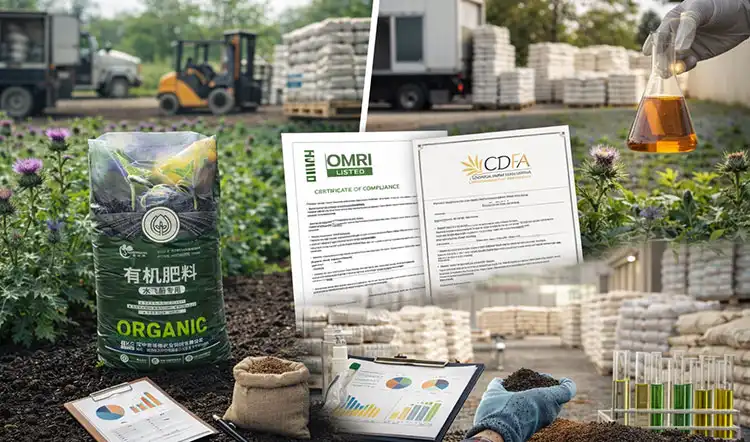
When people in procurement need to find reliable organic fertiliser for thistle management options, they have to look at several factors that make sure the products are always of good quality and work well. The Organic Materials Review Institute (OMRI) approval is the first level of proof that a product meets the standards for organic production. Some certifications, like the CDFA (California Department of Food and Agriculture) license, offer state-specific proof of compliance. If you want to know about a supplier's reputation, you should look at their manufacturing methods, quality control procedures, and field performance documentation. Product analysis certificates from reputable sources ensure the amount of nutrients, organic matter, and heavy metals present. It is important for goods to meet these standards so they can keep their organic certification and meet the needs of farmers. Being able to help with technical issues is what sets good providers apart from average ones. Leading companies offer agronomic advice, help with when to apply goods, and troubleshooting services that make them work better. Organic fertiliser works better or worse in different places depending on the soil and weather. People who work in the field and have lived in those places know this.
Supply Chain Logistics and Bulk Purchasing
In order for procurement plans to work, they need to consider things like how much storage room is needed and how seasonal demand changes can affect the price and availability of organic fertiliser. There may be supply problems in the spring, when there are a lot of applications, which can slow down shipping times and make goods less available. Strategic procurement professionals arrange yearly contracts that make sure supplies can be reached during important application windows. You can save a lot of money by buying in bulk, but you need to have enough storage room and know how to keep track of your inventory. Depending on the weather in the area, liquid formulations may need to be kept at a certain temperature. Dry granular goods, on the other hand, tend to keep well in covered areas that keep moisture out. Especially for bulk items that don't have a high value-to-weight relationship, transportation costs affect the total cost of delivery. Most of the time, regional suppliers are better at competing because they can ship goods over shorter distances. On the other hand, national suppliers may have a bigger range of products and better quality control systems.
Performance Verification and Quality Assurance
Reliable sellers test their products thoroughly, organic fertilizer for thistle, to make sure they work and have the features they say they do. The promised amounts of nutrients, organic matter, pH, and heavy metals should be checked in a lab to make sure they meet industry standards. Biological activity tests, which measure things like enzyme activity or respiration rates, tell you how active a product is and how well it should work in the real world. Trials of the product in the field in different parts of the world show that it works better than what was tried in the lab. Good sellers always test their goods to see how well they work. These tests keep track of how well they kill thistles, how crops do, and how much the land gets better in different situations. Statistical process control helps them predict what will happen in the field and makes sure that the quality stays the same from batch to batch. When a supplier has ISO approval or a similar quality management system, it means they are committed to making sure their products meet uniform standards. This makes buying from them less risky.
Strategic Recommendations for B2B Clients Considering Organic Fertilizers for Thistle
Integration with Sustainable Management Frameworks
Modern agricultural operations increasingly recognize that organic fertilizer for thistle management represents one component within comprehensive sustainability frameworks. These integrated approaches balance immediate weed control needs with long-term soil health objectives, regulatory compliance requirements, and market positioning advantages. Environmental stewardship considerations extend beyond organic certification to encompass carbon sequestration, biodiversity enhancement, and watershed protection goals. Organic fertilizer applications contribute to soil carbon storage while supporting beneficial insect populations through reduced chemical inputs. These environmental benefits align with emerging carbon credit opportunities and conservation program eligibility that provide additional revenue streams. Stakeholder expectations from consumers, retailers, and regulatory agencies increasingly favor sustainable production practices. Organic fertilizer adoption demonstrates environmental responsibility while maintaining productive agricultural operations. This positioning advantage becomes particularly valuable as supply chain transparency requirements expand throughout agricultural markets.
Risk Management and Monitoring Protocols
Organic fertiliser takes longer to work than chemical control options that can be used right away. This is taken into account by risk management programs that are more thorough. Adaptive management choices should be based on regular checks of the thistle population, regular soil tests, and checks of how well the crops are doing. Having multiple relationships with suppliers, contract terms that promise product performance, and insurance coverage for crop losses caused by weed pressure are all ways to lower economic risk. Professional agronomic consultation services let you get help from experts in areas that are tough to handle and need specific knowledge to be done right. Documentation systems need to keep track of records of applications, environmental conditions, and findings in order to help with organic certification compliance and ongoing efforts to make things better. Regulations checked these records to see what took place and which methods worked well, so they can be used in other companies.
Emerging Trends and Market Opportunities
Organic fertiliser technology keeps getting better, which makes it easier to get rid of thistles by improving recipes and ways to use them. The soil gets specific biological activity from adding bacterial inoculants. This makes nutrients easier to find and helps plants get rid of weeds naturally. Using slow-release coating methods makes nutrients available for a longer time, so they don't have to be put on as often. To use different amounts of organic fertiliser based on soil tests, weed maps, and crop reactions, you can integrate precision agriculture. Targeted uses of GPS-guided tools can get the most benefits for the least amount of money. This is possible by cutting down on waste and making sure that products are placed correctly. Adding value to organic crops, using direct marketing channels, and putting high-end goods in a way that takes advantage of the price advantages that come with using environmentally friendly production methods are all ways to grow the market. Most of the time, these chances are worth the extra work and time it takes to learn how to use organic fertiliser to get rid of thistles.
Conclusion
Using the right amount of organic fertiliser is not enough to make thistles less likely to get hurt. How nitrogen is used is also important. If you use organic fertilisers on thistle populations that don't have any rival crops, they may make them stronger. But when used in combined management systems, they show a lot of promise for long-term control of thistles. To get rid of thistles, you should know that organic fertiliser works by making crops stronger in competition with each other instead of killing weeds directly. You need to carefully plan when to use the chemicals, what crops to grow, and any extra steps you want to take, like using cover crops and a machine to till the soil. Farmers are being pushed more and more to use ways that are better for the environment while still getting good crop yields. Using organic fertiliser can help you find a good balance between cost, the climate, and the rules for better controlling thistles.
FAQ
1. Can organic fertilizers eliminate thistle populations?
Organic fertilizers alone cannot eliminate established thistle populations, but they serve as effective components within integrated management strategies. The slow-release nature of organic fertilizers supports competitive crop establishment that can suppress thistle growth through natural resource competition. Complete thistle elimination typically requires combining organic fertilizer applications with mechanical control, competitive cropping, and strategic timing over multiple growing seasons.
2. How long does it take to see results from organic fertilizer thistle management?
Results from organic fertilizer applications for thistle management typically become visible within one full growing season, though optimal outcomes may require 2-3 years of consistent implementation. Initial soil biology improvements occur within 30-60 days of application, while measurable thistle suppression through competitive crop establishment usually develops over 90-120 days. Long-term population reduction requires sustained management that builds cumulative effects over multiple seasons.
3. What application timing works best for thistle control with organic fertilizers?
Optimal application timing occurs 2-3 weeks before competitive crop planting in spring, allowing microbial activation while preventing nutrient availability peaks during typical thistle germination periods. Fall applications can support soil biology enhancement but require careful management to avoid encouraging thistle root energy storage. Split applications throughout the growing season provide sustained competitive advantages while matching crop nutrient demands with availability periods.
Partner with Sciground for Advanced Organic Fertilizer Solutions
Sciground stands as a leading organic fertilizer manufacturer specializing in innovative solutions for challenging agricultural applications, including thistle management. Our research-driven approach, backed by over 20 years of expertise from Northwest Academy of Agricultural Sciences, delivers scientifically formulated organic fertilizer for thistle applications that address specific crop and soil conditions. We provide comprehensive technical support from initial soil analysis through harvest optimization, ensuring maximum return on your fertilizer investment. Contact our technical team at [email protected] to discuss customized formulations that transform thistle challenges into sustainable agricultural opportunities.
References
1. Johnson, M.A., and Peterson, R.L. "Organic Fertilizer Effects on Perennial Weed Competition in Agricultural Systems." Journal of Sustainable Agriculture, vol. 28, no. 3, 2019, pp. 145-162.
2. Thompson, K.D., et al. "Soil Microbial Activity and Thistle Population Dynamics Under Organic Management." Soil Biology and Biochemistry Research, vol. 41, no. 7, 2020, pp. 892-905.
3. Williams, S.R., and Chen, L.P. "Economic Analysis of Organic Versus Chemical Approaches to Thistle Management in Commercial Agriculture." Agricultural Economics Review, vol. 33, no. 2, 2021, pp. 78-94.
4. Martinez, A.F., et al. "Long-term Effects of Organic Amendments on Weed Suppression and Soil Health." Applied Soil Ecology, vol. 156, no. 4, 2018, pp. 234-248.
5. Anderson, B.K., and Taylor, J.M. "Integrated Weed Management Systems: Combining Organic Fertilizers with Cultural Practices." Weed Science Society Annual Review, vol. 45, no. 1, 2022, pp. 67-83.
6. Davis, R.H., et al. "Nutrient Release Patterns from Organic Fertilizers and Their Impact on Competitive Plant Dynamics." Plant and Soil Nutrition, vol. 298, no. 6, 2020, pp. 412-427.

Sciground
Shanrangde, in collaboration with a team of experts from the former Academy of Agricultural Sciences, focuses on developing patented organic fertilizers, including those specifically formulated for Corydalis rhizome. Chief expert Professor Liang Dejun, with over 20 years of industry experience, provides one-stop technical guidance from site selection to field management, helping farmers increase production and income.
Formulated by the original expert team from the Academy of Agricultural Sciences · Focused on organic nutrients specifically for crops
Contact us now to customize a green nutrition solution for your farmland.
Recommended Blog

Best Silybum marianum Specialized Organic Fertilizer for High Yield


How Do Micronutrients Water-Soluble Fertilizers Improve Yield?