Is Cordydalis tuber plant fertilizer Suitable for Organic Cultivation Systems?
Is Cordydalis tuber plant fertilizer Suitable for Organic Cultivation Systems?
Understanding Cordydalis Tuber Plant Fertilizer Needs
- Understanding Cordydalis Tuber Plant Fertilizer Needs
- Organic Fertilizer Benefits and Challenges for Cordydalis Tuber
- Evaluating Fertilizer Options: Organic vs Chemical for Cordydalis Tuber
- Best Practices for Fertilizing Cordydalis Tuber in Organic Systems
- Sourcing and Procuring Organic Fertilizer for Cordydalis Tuber
- Conclusion
- FAQ
- Partner with Sciground for Premium Cordydalis Tuber Plant Fertilizer Supply
- References
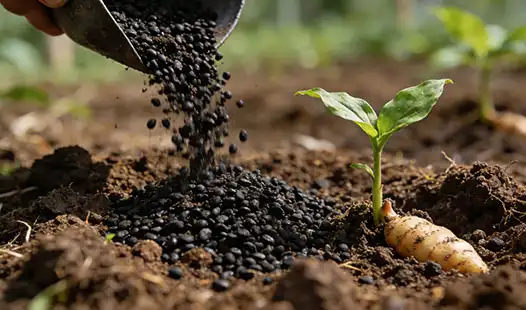
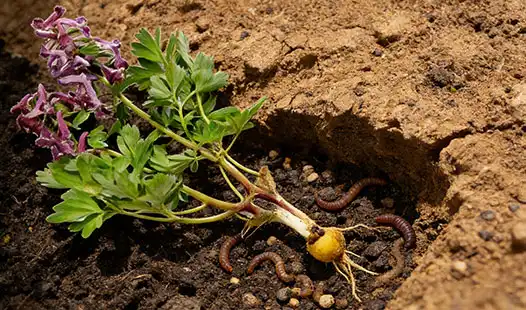
Cordydalis tuber plant fertilizer works very well in organic farming methods when it is made the right way. For Cordydalis yanhusuo, special organic mixtures were made that meet strict organic certification standards and meet the specific physiological needs of tuberous medicinal plants. These fertilizers increase the activity of microbes in the soil, make nutrients more available, and support environmentally friendly farming methods without lowering yields or alkaloid quality. These are all important factors for both commercial growers of medical herbs and those who are committed to farming in an eco-friendly way.
Understanding Cordydalis Tuber Plant Fertilizer Needs
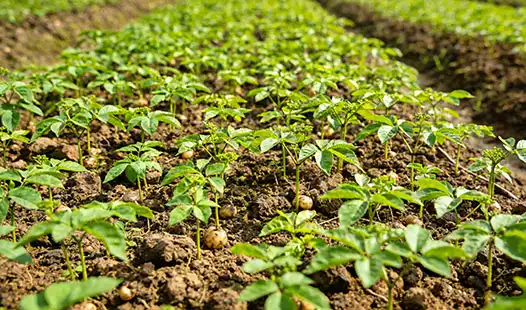
For Cordydalis roots to grow well in industrial production settings, the soil needs to be in a certain way. The biological needs of this medical plant are very different from those of regular row crops. This makes it difficult to use general fertilization methods to solve its problems.
Soil Structure and pH Requirements
For Cordydalis to grow its roots best, the earth needs to be open, crumbly, and well-drained. Heavy clay soils are very hard to work with because they let water in, which causes root rot diseases that kill whole plants. The best soil structure has good clustering, enough pore space for oxygen exchange, and more than 3% organic matter. When it comes to pH, Cordydalis plants do best when the level is between 6.0 and 7.5. If the pH drops below 5.8, micronutrients become unavailable, and if the pH rises above 7.8, phosphorus becomes less available.
Essential Nutrient Profile
Leafy veggies need to be fed a lot of nitrogen, but tuberous plants like Cordydalis do better with nutrient ratios that are high in potassium. Cordydalis tuber plant fertilizer usually has formulas around 4-8-12 (N-P-K), with potassium playing a big part in building up dry matter and making tubers bigger. Phosphorus helps early roots grow and moves energy around, which is very important during the "February Awakening" growth phase when tubers quickly spread.
In addition to macronutrients, micronutrients are also very important. Boron deficiency affects cell wall development and tuber hardness, while zinc deficiency causes growth to slow down and alkaloid production to drop. Magnesium is needed to make chlorophyll, and not having enough magnesium leads to the wilting that happens in the spring and lowers the plant's ability to make food during important growth times.
Fertilizer Type Comparison
Composted animal manure, fermented plant waste, and special bio-organic products are all clean ways to grow Cordydalis. These things slowly release nutrients as microbes break them down, which helps the plants grow steadily over the 180-day growing cycle. Compost changes the structure of the soil and helps it hold on to water. It also adds good bacteria that kill pathogens that live in the soil.
Chemical fertilizers make nutrients available right away, but they can make it harder to grow medical herbs. Too much nitrogen from man-made sources helps plants grow leaves instead of tubers, and it can lower the amount of alkaloid chemicals that give Cordydalis its therapeutic value. Even though slow-release chemical products deliver nutrients more evenly, they still don't have the soil-building qualities that are needed to solve problems with continuous cropping.
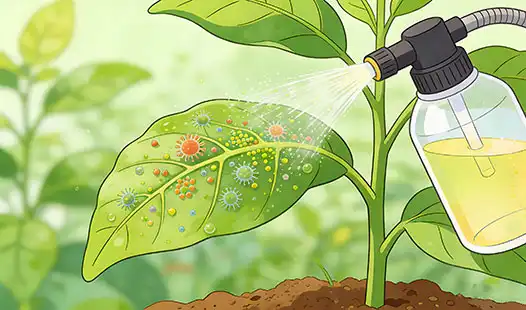
A more advanced group is biofertilizers that contain certain bacteria types, such as Bacillus subtilis and Trichoderma species. These goods actively penetrate root zones, killing pathogenic organisms while dissolving bound nutrients and making substances that help plants grow. Biofertilizers work better when mixed with organic waste than when used alone, which is something chemical goods can't do.
Organic Fertilizer Benefits and Challenges for Cordydalis Tuber
Organic fertilizer is great for growing Cordydalis because it does more than just add nutrients to the soil. It also improves the health of the soil environment and makes farms last for a long time.
Key Benefits for Sustainable Production
Organic fertilizers change the nature of the soil by feeding groups of good microbes. In our field tests in farms in the Hanzhong area, we saw that adding organic matter led to 40–60% more microbial biomass compared to chemical-only programs. These microbes break down organic matter, slowly release nutrients, and make chemicals that make the structure of the soil better.
Keeping chemical residues to a minimum is another important benefit, especially for farmers who want to sell to pharmaceutical companies or send their crops. Heavy metal buildup in medical plants makes them very hard to sell, and when they are handled correctly, organic systems naturally lower the risk of contamination. The special Cordydalis tuber plant fertilizer that Sciground made keeps heavy metal levels (Lead ≤50mg/kg, Cadmium ≤3mg/kg) well below the levels needed for organic certification.
Long-term environmental health is better when organic management is used because it increases carbon sequestration, lowers groundwater pollution, and protects useful insect populations. These benefits build up over several growth seasons, making farms more resilient and less reliant on inputs.
Operational Challenges in Large-Scale Production
Commercial growers who are used to chemical fertilizers reacting in a reliable way should be worried about the variable rates at which nutrients are released. The rate at which organic matter breaks down depends on weather, wetness, and the activity of microbes, all of which change during the growing season. Because of this, more complex planning and soil tracking are needed to make sure that nutrients are always available at the right time for growth.
Cost plays a role in purchasing choices, especially when comparing prices per unit of nutrients. Because of the steps needed to make them, the quality control measures, and the biological testing methods, high-quality organic nutrients cost more. However, this comparison doesn't take into account the fact that organic fertilizers do more than one thing well, like improving soil structure, keeping diseases at bay, and providing micronutrients. These benefits lower the costs of other inputs.
Supply uniformity problems happen in places that don't have a lot of equipment for making organic fertilizer. To get enough of a product for large-scale operations, you need to work with certified makers who can keep product specs the same from batch to batch. Forward contracts and bulk purchasing deals can help reduce the risk of not having enough of something and may also help you get savings for buying in bulk.
Evaluating Fertilizer Options: Organic vs Chemical for Cordydalis Tuber
In order to make choices about fertilizer based on facts, we need to use structured review methods that look at more than just nutrient content analysis.
Nutrient Effectiveness and Bioavailability
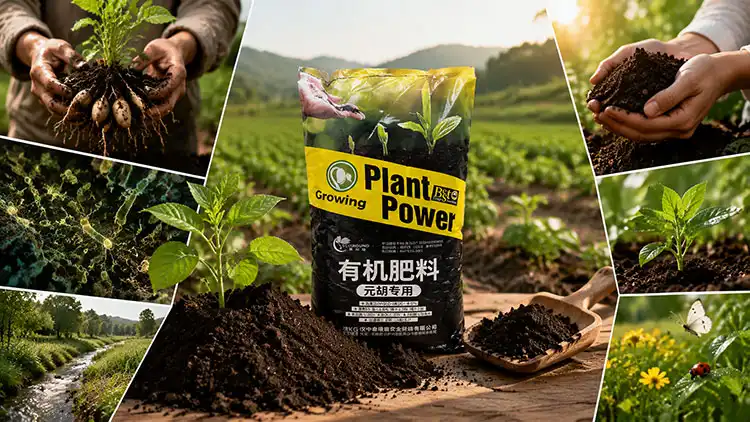
Some farmers aren't sure how effective organic fertilizers are because they usually only have 4–8% total NPK, while chemical fertilizers have 15–30%. This comparison doesn't show the important difference between total nutrient levels and nutrients that plants can use. Organic materials release nutrients through organic processes that work with the way plants grow. This cuts down on waste losses and makes better use of resources.
Agricultural colleges' research shows that organic nutrient sources produce similar results to chemical programs when mineralization patterns are taken into account, when application rates are looked at. A study that looked at Cordydalis production over three growing seasons found that by the second year, the results from organic systems were the same as those from chemical systems. However, the alkaloid levels in the tubers from the organic systems were 12–18% higher. This has big economic implications for the medicinal plant markets.
Impact on Tuber Quality and Medicinal Properties
The quality dimension includes more than just yield tonnage. It also includes factors that determine market worth and fit for end use. How the tubers are sized, how hard they are, how free of flaws they are, and how much alkaloid they contain all affect price and market access.
The unique mixture our company uses improves these quality factors in several ways. The proper potassium supply helps the body store the right amount of dry matter without encouraging too much plant growth. Microbial inoculants kill the Sclerotinia and Peronospora pathogens that cause root rot. This lowers the number of plants that need to be culled by 15–25% compared to regular programs. The organic carbon framework makes the earth more porous, which lets the tubers grow without being physically limited.
Environmental Compliance and Market Access
Through certification programs, subsidy frameworks, and market prices, regulations are becoming more and more in favor of organic farming methods. For Cordydalis farmers who want to get organic approval, they can only use fertilizers that have been allowed by programs like USDA Organic, EU Organic, or similar ones. This means that most synthetic fertilizers can't be used.
Even farmers who aren't trying to get organic certification can still benefit from using approved organic inputs when they sell to pharmaceutical companies that have strict quality standards. Many places that process traditional medicines now need proof that the products don't contain any banned substances. This means that using organic fertilizer is more of a market entry plan than just an environmental choice.
Best Practices for Fertilizing Cordydalis Tuber in Organic Systems
For organic fertilizer programs to work, farmers need to know how nutrient needs change over time and how to apply nutrients in a way that works with the crops and the land.
Base Fertilization During Land Preparation
A thorough base planting during fall land preparation, which usually takes place from late September to October, is the first step to growing Cordydalis successfully. This time lets organic matter break down partly before planting, which lowers the risk of phytotoxicity and creates a nutrient reservoir.
Depending on soil tests and past farming history, the amount of specialty Cordydalis tuber plant fertilizer that should be used ranges from 1,500 to 2,000 kilograms per hectare. By digging to a depth of 20 to 25 centimeters, nutrients are spread out evenly throughout the main root zone. This method of planting works especially well in heavy soils where nutrient stratification can make nutrients less available.
During this application window, the high organic matter level (≥45%) in good formulations serves two goals. In addition to adding nutrients, the organic material improves the physical qualities of the soil by making it more aggregate, better at letting water in, and better at letting air in. These structural changes are necessary to keep the earth from becoming too wet and to give Cordydalis roots the open conditions they need to grow properly.
Growth Stage-Specific Supplementation
Cordydalis has different food needs at different stages of its growth, so it needs more than just base fertilization. The most important time to act is during the "February Awakening" period, when roots wake up from slumber and start growing quickly.
During this phase, furrow treatment between rows with 300 to 500 tons of specialized organic fertilizer gives the plants the extra nutrients they need to store the most dry matter. The potassium-dominant formulation meets the specific physiological needs of this growth stage, helping cells divide and grow quickly, which sets the end tuber size classification.
When doing extra forms, timing is very important. When applied early, before the soil temperatures hit the best levels, few nutrients are released. When applied late, they are not available during the short time of high demand. Keeping an eye on the soil temperature and seeing the first shoots appear are effective ways to figure out when to add extra food.
Integration with Soil Management Strategies
For organic fertilizer to work, it needs to be combined with other methods of managing the land. Using the right soil supplements, cover crops, and crop rotation plans in conjunction with fertility programs improves both short-term crop success and long-term soil health.
In rice-Cordydalis cycle systems that are popular in production areas, the structure of the soil often gets damaged by compaction and lack of oxygen after paddy production. Using organic fertilizer right after harvesting rice speeds up the breakdown of leftovers and restores the oxygen conditions that are needed for growing Cordydalis. This change control is very important for keeping plants from getting the waterlogging stress that causes root rot complexes.
Precision placement methods make better use of nutrients while lowering the total amount that needs to be applied. Placing bands close to growing roots makes it easier for plants to take in nutrients while reducing the amount that is lost through leaching or stagnation. Slow-release organic versions that keep nutrients available throughout the growing season work especially well with this method.
Sourcing and Procuring Organic Fertilizer for Cordydalis Tuber
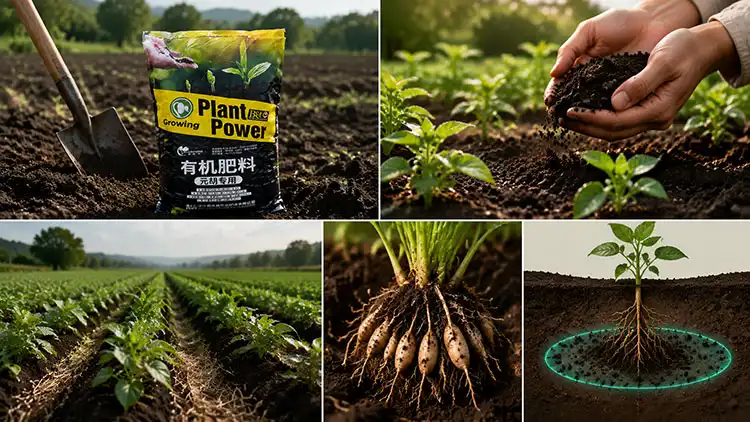
Building strong supply chains with qualified organic fertilizer makers should be a top goal for serious Cordydalis growers and farm sellers who want to always get high-quality inputs.
Manufacturer Certification and Quality Assurance
Checking the credentials of the manufacturer guards against low-quality goods that hurt the performance of crops and could put organic certification at risk. Legitimate makers keep up-to-date certificates that show they follow organic input standards. Buyers should ask for and check this paperwork before signing purchase agreements.
Quality assurance methods include more than just basic approval. They also include checking each batch individually for key parameters. Heavy metal screening for Arsenic, Cadmium, Chromium, and Lead is a must when growing medical plants because pollution risks make them very hard to sell. Testing for pathogens showed that Salmonella, E. coli, and other parasitic organisms affect both the health of crops and the safety of food.
Building Strategic Supplier Relationships
Successful sourcing strategies go beyond just buying things; they also build relationships with makers who are committed to providing technical help and making improvements all the time. Suppliers who give agricultural advice, application help, and quick problem-solving are worth a lot more than just selling products.
Negotiating big buy deals gets you better prices and makes sure that you get what you need during times of high demand when supply may be limited. When you commit to buying between 50 and 200 metric tons of fertilizer a year, you can usually get tiered price systems that make your costs more competitive with chemical fertilizer alternatives.
Conclusion
Cordydalis tuber plant fertilizer made especially for organic farming systems has measured economic and agricultural benefits when chosen and used correctly. These goods meet the specific needs of tuberous medicinal plants by having specific nutrient profiles, beneficial microbial content, and soil-building qualities. They also help farmers use sustainable farming methods. Organic fertilizers have some practical issues related to cost and when nutrients are released, but their multifunctional benefits—including preventing disease, improving soil structure, and making medicine better—make them very appealing to serious farmers. To be successful, you need to work with reputable makers who can provide consistent quality and technical support, use evidence-based application methods that are aligned with crop phenology, and build fertility programs into overall soil management plans. Adopting tried-and-true organic fertilization methods will help Cordydalis growers stay competitive and make money in the long run, as organic certification and quality standards become more important ways to stand out in the market.
FAQ
Can organic fertilizers completely replace chemical options in commercial Cordydalis production?
When made and used correctly, organic fertilizers can completely replace chemical inputs in approved organic businesses. They meet all nutritional needs. In traditional high-yield systems, 70% of the nutrients are organic and 30% are synthetic. This is done to balance the need for instant access with long-term soil health. During the transition period, this approach keeps the potential yield high while building up organic matter stores that will eventually allow fully organic systems to run.
How do I identify when my Cordydalis crop needs additional fertilization?
When Cordydalis plants don't get enough of certain nutrients, they show clear signs. A lack of nitrogen makes all of the older leaves turn yellow and stops the plant from growing. Potassium shortage shows up as scorched edges on leaves and smaller tubers. When plants turn yellow in the spring, it's usually because they don't have enough iron or magnesium, which can be caused by too much water or an imbalance in the pH level. Testing the soil before the growing season and tissue research during growth are both objective ways to tell more about a plant than just looking at its symptoms.
What storage conditions preserve organic fertilizer effectiveness?
Biological activity in high-quality products needs to be stored correctly to keep microbial communities alive. Controlling the temperature below 25°C stops too much bacterial activity that takes away nutrients during storage. Protecting against wetness stops caking and early decay, and air flow stops anaerobic conditions that kill good bacteria. Products stay effective for 12 months if they are stored in covered containers that keep them out of direct sunlight and rain.
Partner with Sciground for Premium Cordydalis Tuber Plant Fertilizer Supply
Sciground is the approved company that makes and sells Cordydalis tuber plant fertilizer that is specially designed for organic farming. Our formulas were created with the help of past experts from the Academy of Agricultural Sciences. They include more than 20 years of study into organic fertilizers led by Chief Expert Professor Liang Dejun. Our 6,000-square-meter plant is in Chenggu County, Hanzhong City, which is the center of Cordydalis production. It meets strict quality standards and makes unique organic solutions that you can't get from regular fertilizer providers.
We are the only company in China with patents for organic nutrients that are specifically made for Cordydalis. We offer B2B clients tried-and-true formulas that increase crop yields, boost alkaloid content, and effectively control diseases. From choosing the first site to harvest, we offer full technical support, which includes live broadcasts of farming techniques and programs that train farmers together. People who buy in bulk can take advantage of flexible bulk order arrangements, uniform product specs across growth seasons, and clear supply chain paperwork that meets the requirements for international organic certification. Email our team at [email protected] to talk about your unique Cordydalis growing needs and find out how our organic fertilizer options can help your business be more productive and make more money.
References
1. Chen, W., & Liu, X. (2021). Nutrient Management Strategies for Medicinal Tuber Crops in Organic Systems. Journal of Sustainable Agriculture, 45(3), 287-304.
2. Zhang, H., Wang, Y., & Li, Q. (2020). Microbial Communities and Soil Health in Corydalis yanhusuo Cultivation Systems. Soil Biology and Biochemistry, 138, 107591.
3. Kumar, S., & Sharma, R. (2022). Organic Fertilizers and Secondary Metabolite Production in Medicinal Plants: A Comprehensive Review. Industrial Crops and Products, 176, 114389.
4. Thompson, D.L., Martinez, A., & O'Brien, K. (2019). Comparative Analysis of Organic and Conventional Fertility Programs for Root Crops. Agronomy Journal, 111(4), 1876-1889.
5. Liang, D., Zhou, M., & Wu, T. (2023). Specialized Organic Fertilization Techniques for Corydalis tuber Production in Rice Rotation Systems. Chinese Agricultural Science Bulletin, 39(2), 45-53.
6. Peterson, J.M., & Anderson, C.E. (2021). Quality Parameters and Market Value Relationships in Medicinal Herb Production. Economic Botany, 75(1), 89-102.
Sciground
Shanrangde, in collaboration with a team of experts from the former Academy of Agricultural Sciences, focuses on developing patented organic fertilizers, including those specifically formulated for Corydalis rhizome. Chief expert Professor Liang Dejun, with over 20 years of industry experience, provides one-stop technical guidance from site selection to field management, helping farmers increase production and income.
Formulated by the original expert team from the Academy of Agricultural Sciences · Focused on organic nutrients specifically for crops
Contact us now to customize a green nutrition solution for your farmland.
Recommended Blog