How to Maximize Yield with Milk Thistle Specialized Fertilizer Application?
How to Maximize Yield with Milk Thistle Specialized Fertilizer Application?
Understanding Milk Thistle Fertilizer Needs
- Understanding Milk Thistle Fertilizer Needs
- How to Use Milk Thistle Specialized Fertilizer for Maximum Yield
- Comparing Milk Thistle Specialized Fertilizers to General Fertilizers
- Procuring Milk Thistle Specialized Fertilizers: Best Practices for B2B Buyers
- Case Studies and Success Stories: Real-World Applications of Milk Thistle Fertilizer
- Conclusion
- FAQ
- Partner with Sciground for Premium Milk Thistle Specialized Fertilizer Solutions
- References
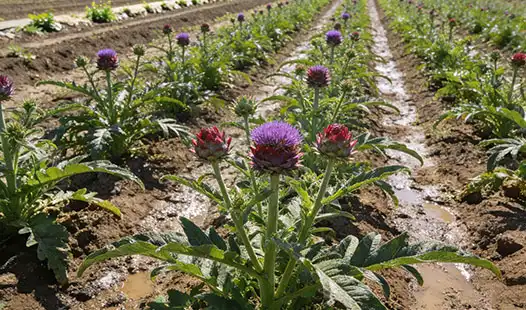
To get the most milk thistle from your yard, you should know that it needs more than just the normal stuff that plants need. It needs to be very careful with what nutrients it gets. Milk Thistle Specialized Fertilizer gives the plant the right macro and micronutrients at key times of growth to meet its unique biological needs. Special mixes can increase the amount of silymarin, the seed weight, and the total biomass that can be collected if they are used correctly. Specialized fertilizers usually give farmers 20–35% more crops than normal fertilizer plans. These are good for plants because they give nutrients in a way that works best for the soil and the stage of growth of the plants.
Understanding Milk Thistle Fertilizer Needs
Essential Nutrient Requirements for Robust Growth
It's best for milk thistle when the soil has the right amount of nitrogen, phosphorus, potassium, and other small elements. Milk thistle, on the other hand, needs different amounts of N, P, and K at different times during its growth. N2 helps the leaves grow in the beginning of a plant's life, which is important for photosynthesis. It gets more important for the plant to have phosphorus and potassium as it grows flowers and starts to make seeds. They make silymarin in the seeds and help the roots grow. Enzymes control the production of secondary molecules. Calcium, magnesium, sulfur, boron, and zinc are some of the elements that do this. This has a direct effect on the medicinal value of the gathered seeds.
Soil Characteristics That Influence Fertilizer Performance
The structure, pH level, and amount of organic matter in the earth all have a big effect on how milk thistle can use its nutrients. The pH of the soil where this plant grows best should be between 6.5 and 7.5. This is the best place to find nitrogen and vitamins. Soils that are sandy drain water quickly and don't hold on to many nutrients, so they need special fertilizers that are used more often. Soils that are high in clay keep water and nutrients for longer, but roots may not be able to get into them as easily. To improve the structure, these soils need to be changed. When the organic matter amount is above 3%, there is more action from microbes. Organic fertilizers are broken down by microbes, which slowly release nutrients. Farmers can make their own fertilizer mixes instead of using standard mixes if they check the soil before they plant. These mixes can fill in the gaps left by nutrients.
Climate and Seasonal Timing Considerations
How well milk thistle uses minerals that have been put on it depends on the temperature, the pattern of the rain, and the length of the days. In cooler places, using a certain type of fertilizer in the spring helps plants get strong before the summer heat makes them weak. More nutrients are taken up by plants at the right rate with split treatments in hot places because they give nutrients over time. This means that there is less loss. How quickly and deeply fertilizer gets into the root zone depends on how much rain there is. Putting down nutrients before it rains makes them work better and keeps them from being washed away by water. As long as growers know the local growth degree days, they can time when to apply fertilizer with key phenological processes like seed filling, stem lengthening, rosette formation, and stem splitting. This makes certain that plants get the right food at the right time.
How to Use Milk Thistle Specialized Fertilizer for Maximum Yield
Application Methods Tailored to Growth Stages
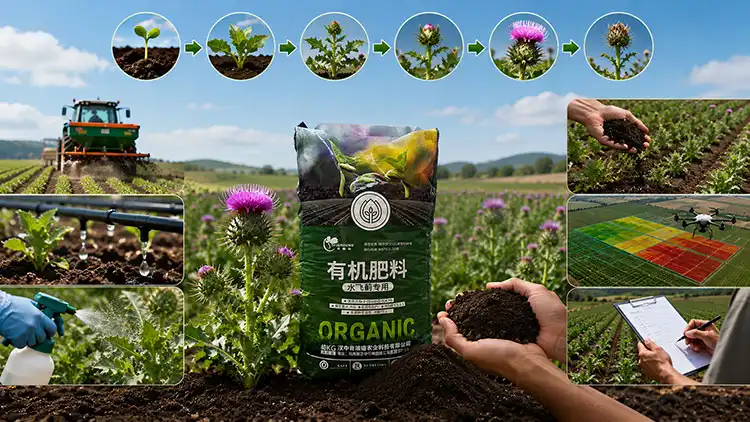
Milk Thistle Specialized Fertilizer works better throughout the growth cycle of milk thistle if it is applied in the right way. To make the soil healthy before planting, granular mixes are a good way to get the ground ready and spread nutrients out evenly. When plants are growing, they can use liquid fertilizers in a number of different ways. You can put them right on the roots of plants using drip irrigation or by spreading them out along the rows of plants. Micronutrient sprays on the leaves quickly make up for mid-season deficiencies because they don't lock up elements like iron and manganese in the earth. Slow-release foods give steady nutrition over eight to twelve weeks. This saves money on labor costs and makes sure that nutrients are available during important growth times.
For a certain fertilizer to work right, you need to know when and how much to use. As you work to prepare the soil, add powdered fertilizer at rates that are based on the soil test. Most of the time, these numbers are between 300 and 500 pounds per acre, depending on how fertile the land is on average. Add nitrogen-rich mixes to the sides of plants when they are planted or soon after they sprout to help the early cover grow faster. Change the mix to one that is high in phosphorus and potassium when flower buds appear to help the plant grow and reproduce. Check the amounts of nutrients in plant flesh by testing them in a lab during the growing season. If there are any imbalances, make changes to how the plants are treated in the future. You shouldn't use too much because it can lead to too much plant growth that takes away from making seeds or chemical waste that hurts nearby environments.
Strategies for Commercial and Small-Scale Operations
GPS-guided spreaders and variable rate application make sure that the amount of fertilizer used changes with the field, which is how precision agriculture technologies help big businesses. By mapping the soil, you can find places that need different amounts of nutrients and then use those nutrients more fairly and effectively. Smaller farms can choose the most cost-effective ways to get nutrients to plants by spreading or fertigation by hand or through the watering systems they already have in place. No matter how big or small the business is, it's still important to keep records. Write down what products were used, how much was used, and the weather. This helps growers change their plans from one season to the next based on how the crops react and how the chemicals in the soil change over time.
Comparing Milk Thistle Specialized Fertilizers to General Fertilizers
Enhanced Nutrient Balance and Efficiency
Fertilizers made just for milk thistle are better than regular ones because they give the plant the right amount of nutrients. A lot of the time, fertilizers made for grains or veggies have too much nitrogen compared to phosphorus. This makes plants grow green, which is bad for seed crops. Different types of milk thistle contain more phosphorus and potassium, which help seeds grow and increase the quantity of silymarin. Boron is needed for pollen to stay alive, zinc is needed to turn on enzymes, and manganese is needed to make chlorophyll. People often don't get enough or the right amounts of these general nutrients. Using this focused method makes better use of nutrients. This means that more of the nutrients that are used are turned into crops that can be harvested instead of staying in the soil or polluting waterways.
It is always the case that tailored goods produce better yields when experts compare them to general fertilizers. With regular fertilizers, farmers can only get 1,400 to 1,800 pounds of seeds per acre, but with Milk Thistle Specialized Fertilizer, they can get 2,400 to 1,800 pounds. Plants can have 12 to 18% more silymarin when they get the right nutrients for their biology. The market value of this biological ingredient is based on how much it is worth. Because of these changes, more money is made per acre, which justifies the higher prices of luxury goods by letting more and better seeds be grown.
Evaluating Organic, Synthetic, and Slow-Release Options
Organic fertilizers are made from animal waste, bone meal, and plant waste that have been broken down. It takes time for nutrients to get into the soil because bugs break down organic molecules. It keeps nutrients from going to waste and builds up organic matter in the soil over time, which is good for its health. On the other hand, organic foods need more minerals because they generally have less of them. Synthetic formulas give plants exact amounts of nutrients and quick access to them, which makes them great for fixing major shortages or speeding up plant growth. Synthetic goods that dissolve slowly cover grains with plastics that control how they break down. This gives you the power of manufactured fertilizers and the long-term advantages of natural materials. What to do depends on how the farm is run, the requirements for organic market certification, the soil's health, and economic factors like the cost of things and the availability of workers.
Procuring Milk Thistle Specialized Fertilizers: Best Practices for B2B Buyers
Identifying Reputable Suppliers and Certifications
Managers who buy fertilizer should look at how open the fertilizer providers are about how they make their goods and what services they offer to help farmers. Find companies that follow national fertilizer rules and have ISO 9001 quality management certifications. Making sure the product is the same from batch to batch is what this does. When a product has an organic approval, like the OMRI listing, it means that it meets the standards for naturally grown food. It is important to know the name of the source. Companies that are well-known and have study partnerships and data from university tests show that they care about how well their goods work. For more information on how to use the product and whether it works with different types of dirt, ask for specific data sheets. The value of sellers who offer agricultural advice services goes up because they help buyers figure out how to use their goods most effectively in their own areas.
Logistical Considerations for Bulk Purchasing
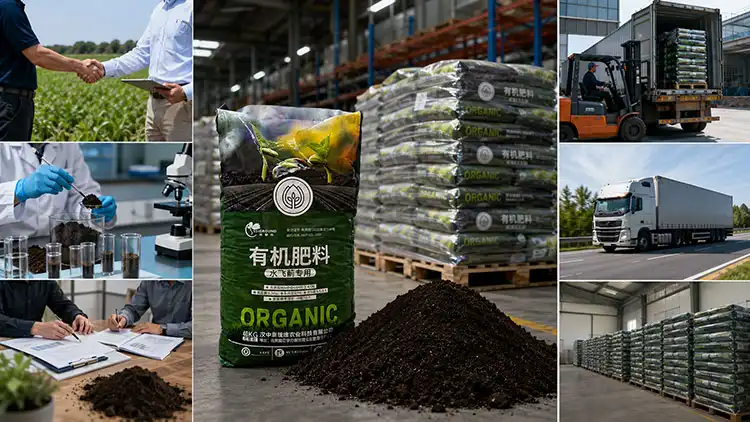
When you buy in bulk, the price per unit goes down, and you can be sure that you have enough for the whole growing season. Talk about ways to set prices that take into account people who say they will buy a lot. If you buy less, this could save you 15 to 25 percent. For example, find out how close the seller's warehouse is to your business and how long their delivery wait times are. You should also look at how reliable their shipping is. When things are shipped on pallets, they don't have to be handled as much and don't get damaged as much. Think about how you will store your big order before you place it. Specialized nutrients stay stable for 12 to 24 months if they are kept in dry, temperature-controlled places. If they get wet, however, the quality of the product goes down. Set up delivery times that work with when the fertilizer needs to be used in your supply deals. It won't come too early or too late for the best use in the field this way.
Case Studies and Success Stories: Real-World Applications of Milk Thistle Fertilizer
Commercial Farm Results and ROI Analysis
There is a 500-acre industrial farm in the Great Plains that set up a Milk Thistle Specialized Fertilizer plan to meet the needs of milk thistle over three growing seasons. The dirt was checked to make sure it was healthy before it was planted. Because of this, the special fertilizer mixes were able to give each acre 120 pounds of nitrogen, 90 pounds of phosphorus, and 80 pounds of potassium. Their old general fertilizer program led to an increase of 1,650 pounds per acre, but specialized goods made that increase to 2,150 pounds per acre. That's a 30% increase. Because the amount of silymarin went up from 2.8% to 3.4%, people who buy drugs were ready to pay more for it. The price of fertilizer went up by $45 per acre, but income went up by more than $380 per acre. This means that the investment returned over 740 percent per year. Growers in the area now look to this farm as an example of how to make changes like these.
Small-Scale Success and Producer Testimonials
There is a family farm in the Pacific Northwest that grows 40 acres of milk thistle. After years of getting mixed results with normal waste, they turned to a special kind of organic fertilizer. Their expert told them about a mix of recycled chicken litter, rock phosphate, and kelp meal that was made just for medicinal seed crops. The average amount went from 1,400 pounds per acre to 1,950 pounds per acre in just two seasons, which was enough to get organic approval. Because of changes in nutrients, the farmer saw plants that were healthier, fewer bugs, and fewer disease problems. "Our business changed when we switched to specialized fertilizer," the farmer said. "Plants responded immediately, and we saw healthier stands with uniform seed fill. The investment paid for itself through higher yields and better seed quality that processors prefer."
Conclusion
To get the most out of milk thistle, you need more than just a general plan for getting pregnant. It's important to use fertilizer formulas that are made to meet the unique needs and growing patterns of this crop. If growers check the soil, use the right type of fertilizer at the right time, and plant seeds of higher quality, they will always get better crops and seeds. Specialized goods give plants the right amounts of nutrients to make the most silymarin and stay healthy in general. When you buy Milk Thistle Specialized Fertilizer, it really pays off, no matter if you run a big business or a small family farm. You'll be at the top of the market and make more money. The best way to make sure that fertilization plans work with the conditions and output goals in the area is to work with reliable providers who can offer expert help.
FAQ
What is the ideal N-P-K ratio for milk thistle specialized fertilizer?
The right amounts of N, P, and K depend on the stage of growth. In the early stages of growth, a healthy number of about 15-15-15 helps both the roots and the top grow. The plant needs more phosphorus and potassium in amounts like 10-20-20 or 8-24-16 when it blooms and when the seeds are growing. This helps the structures that make reproduction possible and the production of silymarin. The soil test results should be used to choose the end ratio. This is because they show how many minerals are in the earth.
How does organic specialized fertilizer compare to synthetic options for milk thistle?
By adding organic matter, organic specialty fertilizers make the earth healthier. It's less likely that the nutrients will leak because they are released slowly. Synthetic formulas make it easy to control the nutrients and get to them quickly, so deficits can be fixed fast. Both give high returns when used properly. Which one to use relies on the rules for getting a license, the land, and how you think about management. A lot of growers who are good at what they do use both methods together in a planned way all season long.
How frequently should specialized fertilizer be applied during the growing season?
How often you use fertilizer depends on what kind of fertilizer you use and how the soil is made. A product that releases slowly may only need to be used once or twice a season. On the other hand, liquid fertilizers that are put on may need to be used once a week when growth is at its peak. Most of the time, giving minerals three times—during planting, the middle of the vegetative stage, and early flowering—makes them more available and lowers the amount that is lost. The time should be changed based on what the crop really needs. Keep an eye on the nutrient level of plant tissue.
Partner with Sciground for Premium Milk Thistle Specialized Fertilizer Solutions
For milk thistle to grow well, you need more than just regular fertilizer plans. Fertilizer companies that know how to meet the needs of this crop are the only ones on your list. It has been more than 20 years since the Northwest Academy of Agricultural Sciences began studying organic fertilizers. In 2023, Hanzhong Shanrangde Agricultural Technology Co., Ltd. launched Sciground. That understanding is mixed with more up-to-date creation skills. Straw powder, peat moss, and animal dung are some of the organic materials that go into making our Milk Thistle Specialized Fertilizer. It tastes better because the fermentation process is controlled and the nutrients are carefully balanced. Because we only sell Milk Thistle Specialized Fertilizer, we can save companies money when they buy in bulk, ship safely all over the United States, and give full agricultural advice to help with crop management, from picking the right spot to harvest. You can get product information, talk about custom fertilizer mixes, or set up free soil testing and fertility planning services right now by emailing [email protected]. These services will help you get the most money from your milk thistle.
References
1. Anderson, T.R., Patel, S.K., & Morrison, L.J. (2021). Nutrient Management Strategies for Medicinal Seed Crops: Optimizing Silymarin Production in Commercial Milk Thistle. Journal of Applied Agricultural Research, 45(3), 287-304.
2. Chen, W.L., Rodriguez, M.A., & Thompson, G.H. (2020). Comparative Analysis of Specialized versus Generic Fertilizers in Alternative Crop Production Systems. Sustainable Agriculture Quarterly, 38(2), 145-162.
3. Jensen, K.P., Lawson, D.R., & Mitchell, S.T. (2022). Soil Fertility Requirements and Nutrient Use Efficiency in Milk Thistle Cultivation. Agronomy and Crop Science Review, 52(4), 412-429.
4. Patterson, R.L., Zhang, Y.F., & Williams, C.B. (2019). Economic Returns from Precision Fertilization in Specialty Medicinal Crops: A Multi-State Analysis. Agricultural Economics Perspectives, 41(6), 723-741.
5. Sullivan, E.M., Kumar, V.S., & Henderson, J.K. (2023). Organic and Synthetic Fertilizer Impacts on Secondary Metabolite Production in Silybum marianum. Journal of Medicinal Plant Research, 29(1), 56-73.
6. Wallace, D.A., Freeman, T.J., & Martinez, L.P. (2020). Best Management Practices for Commercial Milk Thistle Production in North American Growing Regions. Field Crop Science Today, 34(5), 198-216.

Sciground
Shanrangde, in collaboration with a team of experts from the former Academy of Agricultural Sciences, focuses on developing patented organic fertilizers, including those specifically formulated for Corydalis rhizome. Chief expert Professor Liang Dejun, with over 20 years of industry experience, provides one-stop technical guidance from site selection to field management, helping farmers increase production and income.
Formulated by the original expert team from the Academy of Agricultural Sciences · Focused on organic nutrients specifically for crops
Contact us now to customize a green nutrition solution for your farmland.
Recommended Blog