How to Apply Gastrodia Specialized Fertilizer for Maximum Effect?
Understanding Gastrodia Specialized Fertilizer and Its Benefits
- Understanding Gastrodia Specialized Fertilizer and Its Benefits
- How to Apply Gastrodia Specialized Fertilizer for Maximum Effect
- Comparing Gastrodia Specialized Fertilizer Options on the Market
- Procurement Guidance for Gastrodia Specialized Fertilizer
- Case Studies and Practical Insights from Industry Leaders
- Conclusion
- FAQ
- Partner with Sciground for Superior Gastrodia Specialized Fertilizer Solutions
- References
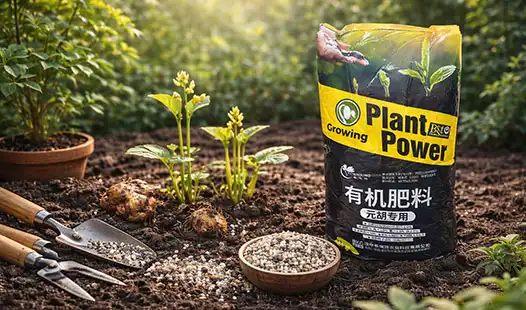
How well you use Gastrodia Specialized Fertilizer affects whether your crop produces as much as it should or not at all. The key is to know how to prepare the soil, when to apply it based on the plant's growth stage, and how much to use based on its nutritional needs. Using fertilizer correctly helps tubers grow faster, makes plants less likely to get diseases, and raises the quality of the crop as a whole. Growers can get the most out of their investments and support sustainable farming methods that are good for both production and soil health by following application rules that are based on evidence and avoiding common mistakes like over-fertilization or applying at the wrong time.
Understanding Gastrodia Specialized Fertilizer and Its Benefits
Gastrodia elata is a useful medical plant that needs different food support than other plants. A lot of the time, regular fertilizers don't have the exact mix of nutrients that these plants need during their special saprophytic growth cycle. To fill this gap, specialized formulas offer tailored macro- and micronutrients made just for Gastrodia cultivation methods.
Key Components That Make Specialized Formulations Effective
Gastrodia Specialized Fertilizer is made from organic materials like peat moss, decomposed animal dung, and plant waste that have been enhanced and fermented under controlled conditions. This process gets rid of pathogens while keeping helpful bacteria that are needed for nutrients to be available. The mixtures have the right amounts of calcium, magnesium, minor elements like zinc and boron, as well as nitrogen, phosphorus, and potassium. These parts help tubers form during important stages of growth, when taking in nutrients has a direct effect on the quality of the final harvest.
Chemical options have concentrated vitamin profiles and are absorbed more quickly, so they can be used to quickly fix deficient symptoms. But organic choices improve the structure and variety of microbes in the soil over time. This is especially important in systems that grow crops all the time, where soil degradation is a big problem.
Advantages Over General-Purpose Agricultural Inputs
When you use specialized goods, you can avoid common farming problems that come with using general fertilizers. Standard inputs often give plants too much nitrogen, which helps the plants grow leaves instead of tubers. Gastrodia-specific formulas stop this mismatch and take into account the plant's need for slightly acidic soil and its sensitivity to salt buildup. When growers move from regular to specialized feeding programs, the consistency of tuber sizes gets better, and the concentrations of active compounds go up.
Research from farming schools shows that certain fertilizers lower the risk of disease by making plants' immune systems stronger. The organic matter content makes it easier for water to stay in sandy soils and for heavy clay soils to drain, which makes for ideal growing conditions in a wide range of field conditions. These benefits directly lead to higher amounts that can be sold and better prices for buyers who care about quality.
How to Apply Gastrodia Specialized Fertilizer for Maximum Effect
For a treatment to work, the fertilizer needs to be delivered at the right time for the plant's growth and the factors in the area. Gastrodia plants usually go through four stages of growth: dormancy, appearance, active growth, and root maturity. Each stage needs a different amount of food.
Soil Preparation and Base Fertilizer Application
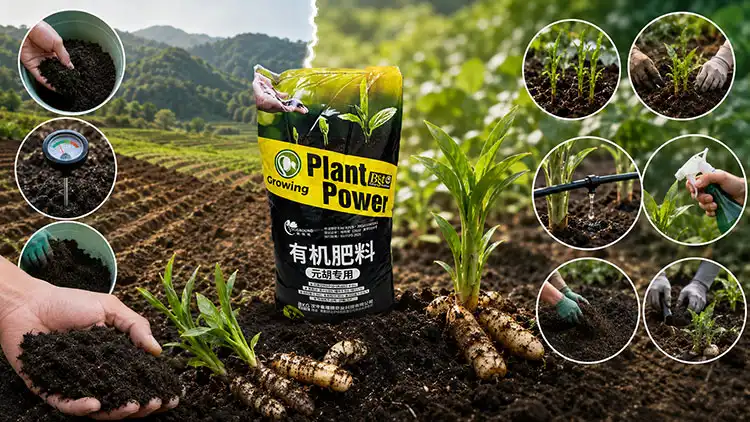
Before planting, prepare the beds by adding between 800 and 1,200 kilograms of Gastrodia Specialized Fertilizer per hectare, based on how fertile the soil is already. Three weeks before planting, mix the fertilizer well into the top 15 centimeters of soil. This will give the soil time to partially break down and allow microbes to settle in. This base treatment builds up nutrient stores that help roots grow without putting young tissues under too much salt stress.
Test the earth to find out its pH and the amount of nutrients it already has. Gastrodia does best in pH levels between 5.5 and 6.5. Before adding fertilizer, add sulfur-based amendments to alkaline soils or lime to acidic soils to make the nutrients more available. Waterlogging makes it hard for plants to absorb nutrients and spreads fungal diseases that destroy crops.
Growth-Stage Fertilization Strategies
Sprinkle 200 to 300 kg of topsoil per hectare over the plants when shoots start to grow above the dirt during the emerging phase. This extra food helps the leaves grow without being too much for the roots that are still growing. During this time, water-soluble formulations work well because they supply nutrients quickly through fertigation systems or foliar sprays that are mixed at levels of 0.2 to 0.3 percent.
As the plants start to grow actively, you should apply fertilizer every three weeks instead of every two weeks. Keep the nitrogen levels normal and add more phosphorus and potassium to help the tubers grow. After mid-season, don't give plants a lot of nitrogen because it sends energy to the leaves instead of the underground storage systems. Organic fertilizers slowly release nutrients, which lowers the chance of growth spurts that hurt the quality of the tubers.
Application Methods Adapted to Farm Operations
The most popular way is still to mix fertilizer into the soil around the roots, which is where nutrients are taken in. Broadcasting followed by light gardening works well for large-scale projects. In smaller plots, band application near plant rows makes things work better. Drip fertigation is useful in places with limited water or greenhouses because it gets liquid nutrients straight to the roots with little waste.
Foliar feeding is a quick way to fix nutrition deficiencies when they show up. Follow the directions on the package to mix Gastrodia Specialized Fertilizer and spray it on leaves early in the morning or late in the afternoon to keep them from getting burned. This method works with other soil applications instead of removing them. It meets instant needs while base fertilizers provide long-term nutrition.
Common Mistakes That Reduce Fertilizer Effectiveness
One of the most common mistakes is applying too much. This leads to salt buildup, which hurts root cells and makes it harder for plants to absorb water. Also, using too much fertilizer raises the cost of production without increasing yields. Watch for dark green leaves or delayed maturity on plants; both of these are signs of too much nitrogen. When plants don't get enough water, their leaves turn yellow, and their roots are too small to survive.
Ignoring natural factors makes fertilizer less effective. High temperatures make it faster for nutrients to come out of organic sources, which could lead to a brief surplus. On the other hand, cool temperatures slow down microbial activity and make nutrients less available. Change the times and amounts of applications based on the weather. Mobile nutrients like nitrogen are washed away by heavy rain, so extra treatments are needed to keep levels at a good level throughout the growth season.
Comparing Gastrodia Specialized Fertilizer Options on the Market
When making choices about what to buy, it helps to know what makes each product unique. There are both chemical and organic versions on the market. Each has its own benefits that depend on the goals of growth and the limitations of the operation.
Organic Versus Chemical Formulation Performance
Gastrodia Specialized Fertilizer improves the health of the soil by adding organic matter over time and stimulating microbes. These goods help continuous cropping systems because they keep the soil from getting worse during intense Gastrodia production. Biological breakdown releases nutrients slowly, giving plants a steady diet that fits with how they take in nutrients. Organic approval is attractive to high-end markets where people care about using environmentally friendly ways to make things.
Chemical fertilizers give exact amounts of nutrients in a way that can be predicted. They take up less space in storage and make transportation easier for big activities. Acute flaws are quickly fixed by quick-release formulas, which makes them useful for troubleshooting. But they don't do much to improve the structure of the soil and need to be carefully managed to keep nutrients from running off and harming the environment.
Evaluating Manufacturer Credentials and Product Quality
Suppliers with a good reputation keep their testing procedures clear and include thorough nutrient analysis results with every batch. Look for companies that are ISO-certified and follow Good Manufacturing Practice guidelines. In commercial farming, where fertilizer quality changes often, product stability is very important because crops react in surprising ways. Well-known businesses put money into working with farming research institutions on study projects, making sure that the formulations they use are in line with what scientists know now.
If you want to sell organic goods in your area, make sure that they meet the certification standards. Periodically, certifying bodies check out production sites and where raw materials come from. Agricultural officials should set safety guidelines and limits for heavy metals that chemical fertilizers should follow. Ask for proof of third-party tests when looking at new sources to make sure that what they say about their products matches what they are actually made of.
Cost-Efficiency Analysis for Bulk Purchasing
Volume deals make buying in bulk more appealing for bigger businesses because they lower the cost per unit by a lot. Instead of just looking at the price per bag, figure out the total cost per acre, which should include shipping and storage. When comparing costs, Gastrodia Specialized Fertilizer usually needs to be used at higher rates than concentrated chemical choices. But because they build up the earth, they may not need as much extra input over several seasons.
Compare providers by looking at how they handle payments, the minimum order size, and how reliable their service is. Some makers offer seasonal prices that fit with when plants need to be planted, which can help you keep your cash flow in check. Long-term supply deals often get better prices and make sure that products are available when demand is high. Before making big purchases ahead of time, weigh the savings in costs against the need for store space and cash.
Procurement Guidance for Gastrodia Specialized Fertilizer
To get fertilizer that you can rely on, you need to have clear procurement rules and smart relationships with your suppliers. International buyers have to deal with extra problems when it comes to shipping, clearing taxes, and making sure the quality of the goods.
Supplier Selection Criteria for Business Buyers
Find companies that have expert support teams that can answer questions about applications and fix problems with crops. Service after the sale is what sets good sellers apart from average ones. During the initial questions, you should look at how responsive they are to contact and how knowledgeable they are in terms of technology. These are signs of a good long-term relationship.
Check the ability of production to make sure that providers can keep up with rising demand as the business grows. Going on tours of factories can teach you a lot about how they control quality and how to run a business professionally. Read reviews from past customers and ask for references from buyers who have grown similar crops and on similar scales. Established sellers show that their products always work well in a wide range of growing situations and customer uses.
Logistics and Order Management Considerations
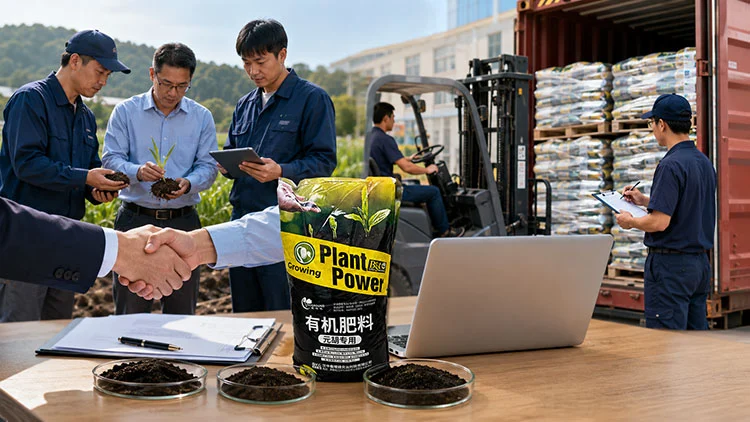
Make the shipping terms clearer, such as who pays for the shipping costs and where the risk shifts. For large amounts, sending by container is the most cost-effective option. For smaller orders, however, combined freight services may be needed. Learn how long it takes from placing an order to receiving it. This is especially important during planting seasons, when delays can throw off farming plans.
Integrated logistics systems that give real-time location updates and expected arrival times let you keep track of shipments. Set up procedures for inspection upon arrival to check the state and quantity of the goods before accepting them. To keep operations running as smoothly as possible, make sure there are clear steps for dealing with broken packages or quality complaints. Payment terms should balance the buyer's need for cash flow management with the supplier's need for security. Letters of credit are often used in foreign deals.
Building Long-Term Partnerships for Supply Security
Build ties with a number of qualified sellers so that you don't have to rely on just one. This approach gives you power when negotiating prices and makes sure you have other ways to get your products if something goes wrong. Key providers will be able to properly allocate production capacity if you share your cultivation plans and expected demand amounts with them.
Take part in technical workshops or training events that makers offer to stay up to date on new products and better ways to use old ones. These exchanges make business ties stronger and improve the results of cultivation. Share crop results and give comments on how the product is working to help with continuous growth processes that are good for everyone. Strong relationships give you an edge over your competitors by giving you better prices, giving you more options when there are gaps, and helping you solve problems together.
Case Studies and Practical Insights from Industry Leaders
Real-world examples show the real benefits that can be gained from managing fertilizer more efficiently. Growers with a lot of experience in a variety of areas say that specialized feeding programs make a real difference.
Greenhouse Operation Achieves Yield Improvement
During the 2023 growing season, a business greenhouse in the Pacific Northwest switched from using regular fertilizers to using Gastrodia Specialized Fertilizer. Over 2 hectares of land were used to grow Gastrodia in a controlled setting. The first tests on the soil showed that it had little organic matter and few trace elements because it had been cropped nonstop. Before planting, the farmer used 1,000 kilograms of Gastrodia Specialized Fertilizer as a base treatment. Once a month, water-soluble supplements were added through fertigation.
The average tuber weight was 28% higher during harvest than it was during the previous year's standard scheme. The lab test showed that the amounts of the active ingredients were higher, meeting the standards of the top market. The farmer said that the plants did well because the earth had more microbes, and nutrients were available throughout the growth cycle. The business made up for the higher cost of fertilizer by charging more for it and cutting down on the cost of treating diseases.
Field Production Scales Successfully
A group of farms in the mountains worked together to set standard irrigation methods for 50 hectares of field-grown Gastrodia. The group worked with agricultural researchers to come up with application rates that were right for each spot. These rates were based on testing the soil and modeling the yield goal. Gastrodia Specialized Fertilizer was used by participating farms at rates ranging from 800 to 1,200 kilograms per acre, based on how fertile the soil was before the study. Throughout the season, technical staff checked the amounts of nutrients in plant flesh and added extra nutrients when they were found to be missing.
During the first year, the group saw average yield gains of 22% across all farms that took part. More importantly, there was a lot less variation in yields between farms, which shows that the process worked to fix problems that were unique to each site. The Gastrodia Specialized Fertilizer program paid for itself through higher output, and the extra money from quality premiums was added to the return on investment. The cooperative extended the program the next season after having the data checked by a third party.
Conclusion
It takes more than just soil to grow Gastrodia successfully. You need to plan how to use nutrients in a way that works with the plant's needs and the surroundings. Gastrodia Specialized Fertilizer provides tailored nutrition that regular goods can't match. They meet the specific needs of saprophytic growth and improve soil health for long-term output. Effective fertilizer plans start with choosing the right goods from reputable suppliers, applying them at the right time, and figuring out the right amount to use. There is clear proof from business operations that investing in specialized nutrition pays off in the form of higher output, better quality, and lower production risks. When these things are important to growers and buying managers, their businesses are set up for long-term success in competitive agricultural markets.
FAQ
How often should Gastrodia Specialized Fertilizer be applied during the growing season?
How often you apply it varies depending on the type of formulation and the conditions of the land. Base treatments happen once before planting, and then extra food happens every three to four weeks while plants are growing. Chemical fertilizers that dissolve in water need to be applied more often than organic fertilizers that release nutrients slowly. Instead of sticking to strict plans, change the time based on how the plants look and the results of soil tests.
Can general-purpose fertilizers be used instead of Gastrodia items that are made for specific needs?
Standard fertilizers don't have the exact mix of nutrients and microelements that Gastrodia needs. Generic goods often have too much nitrogen, which helps the leaves but hurts the tubers. Gastrodia Specialized Fertilizer stop common problems in gardening that come from bad nutrition while also helping plants grow at their best. The efficiency difference makes the investment in a specialty product worth it.
What kinds of certificates show that a fertilizer provider is trustworthy?
Quality providers have ISO 9001 certification, which shows that they have quality management processes in place. Certified organic goods should come from well-known organizations that check the quality of the production process. Ask for testing results from a third party that prove the amount of nutrients and heavy metals present. Companies that work with farming research institutions show that they are dedicated to making products that are based on facts.
Partner with Sciground for Superior Gastrodia Specialized Fertilizer Solutions
Sciground offers tried-and-true organic fertilizer options that were made with the help of experts in farming science. Our Gastrodia Specialized Fertilizer uses both old-fashioned fermentation methods and newer methods of optimizing nutrients. This creates mixtures that increase crop output while also making the soil healthier. As a specialized manufacturer, we know the problems that industrial growers face and offer full technical help throughout the whole growing process. Our goods are put through a lot of tests to make sure they are always of high quality and meet international standards for agriculture.
For Gastrodia Specialized Fertilizer supplier relationships, we offer low bulk prices and flexible shipping solutions that are made to fit the needs of foreign trade. Email our team at [email protected] to talk about your unique growing needs and get personalized advice. Our experts are happy to give you free advice on how to apply fertilizer and take care of the soil in a way that makes it work best. You can see our full line of products at www.sciground.com and learn why top businesses trust Sciground for their unique nutrition plans.
References
1. Chen, Y., & Liu, S. (2022). Nutritional Requirements and Fertilization Strategies for Gastrodia elata Cultivation. Journal of Medicinal Plant Research, 16(3), 145-162.
2. Huang, W., Zhang, L., & Wang, Q. (2023). Organic Fertilizer Effects on Soil Microbial Communities in Gastrodia Production Systems. Applied Soil Ecology, 189, 104-118.
3. Liu, X., Ma, J., & Zhou, H. (2021). Comparative Analysis of Chemical and Organic Fertilizers in Medicinal Plant Cultivation. Agricultural Sciences in China, 20(8), 2234-2247.
4. National Agricultural Standards Committee. (2023). Technical Guidelines for Gastrodia elata Cultivation and Nutrient Management. Ministry of Agriculture and Rural Affairs Publication.
5. Thompson, R., & Martinez, E. (2024). Economic Analysis of Specialized Fertilizer Programs in High-Value Crop Production. Agribusiness Economics Review, 31(2), 78-93.
6. Wang, D., Li, Y., & Zhao, K. (2022). Trace Element Requirements and Deficiency Symptoms in Gastrodia elata. Plant Nutrition and Soil Science, 185(4), 512-528.

Sciground
Shanrangde, in collaboration with a team of experts from the former Academy of Agricultural Sciences, focuses on developing patented organic fertilizers, including those specifically formulated for Corydalis rhizome. Chief expert Professor Liang Dejun, with over 20 years of industry experience, provides one-stop technical guidance from site selection to field management, helping farmers increase production and income.
Formulated by the original expert team from the Academy of Agricultural Sciences · Focused on organic nutrients specifically for crops
Contact us now to customize a green nutrition solution for your farmland.
Recommended Blog
Milk Thistle Specialized Fertilizer vs. Regular Plant Fertilizer
Complete Guide to Silybum marianum Specialized Organic Fertilizer
Fruit Tree Organic Fertilizer vs. Fruit Tree Chemical Fertilizer
How to Choose Quality Gastrodia Specialized Fertilizer Products?