How Does a Fruit Tree Organic Fertilizer Manufacturer Ensure Quality?
Understanding Quality Challenges in Organic Fertilizer Manufacturing
- Understanding Quality Challenges in Organic Fertilizer Manufacturing
- Core Quality Assurance Principles Adopted by Leading Manufacturers
- Key Quality Control Measures Throughout the Manufacturing Lifecycle
- Innovations and Best Practices in Organic Fertilizer Quality Enhancement
- Selecting a Reliable Fruit Tree Organic Fertilizer Manufacturer: What B2B Clients Should Know
- Conclusion
- FAQ
- Partner with Sciground for Premium Fruit Tree Organic Fertilizer
- References
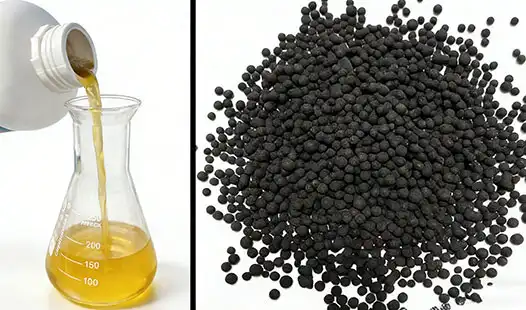
A trustworthy Fruit Tree Organic Fertilizer Manufacturer makes sure of quality by following strict rules for choosing raw materials, managing fermentation processes, and checking the product thoroughly at every stage of production. These companies make sure the quality of their products by doing things like analyzing the nutrients, checking for microbes, and making sure they follow foreign standards like USDA Organic and ISO. Leading producers deliver consistent, high-performance products that support optimal orchard yields, soil health, and long-term agricultural sustainability for both farmers and commercial growers. They do this by keeping an eye on important parameters like carbon-to-nitrogen ratios, moisture content, and trace element composition.
Understanding Quality Challenges in Organic Fertilizer Manufacturing
The Complex Nature of Organic Inputs
The process of making organic fertilizers for fruit trees has unique challenges that manufactured options don't have to deal with. The first obstacle is that raw products are not always consistent. When we get cattle manure, crop leftovers, or composted plant matter, the nutrients in each batch are different because of the type of crops used, the season, and how long they were stored. If this natural variation is not carefully controlled, it can cause nitrogen, phosphorus, and potassium levels that are not consistent. These problems are made worse by the risk of contamination. Heavy metals from industrial waste, pathogenic bacteria from manure that hasn't been handled properly, and chemical residues from standard farms can get into organic sources. These contaminants not only make the product less safe, but they also put the organic certification status at risk, which is still important for B2B clients who work with approved organic farms.
Industry-Specific Pain Points
Soil exhaustion syndrome is a major problem in heavy fruit production. Continuous cropping takes away minor elements like iron, zinc, and boron and breaks down the structure of the soil. Farmers who take care of business orchards need fertilizers that fill in these gaps and stop root rot diseases that happen in soils that are too compacted and don't have the right pH level. Inconsistency in quality has a direct effect on how happy clients are and how well business relationships work. For distributors and buying managers to be satisfied, the nutrients must be consistent and work well in a range of climates and soil types. Changes in the quality of fertilizer hurt crop output, make it less stable over time, and hurt trust throughout the supply chain. Conditions of transport and keeping add another level of difficulty. Changes in temperature during shipping can cause microbes to start working too soon, which can change the nutrients that are available. When a product is exposed to moisture, it forms clumps, and pathogens grow, making it less effective before it even gets to the plant.
Core Quality Assurance Principles Adopted by Leading Manufacturers
Raw Material Sourcing Standards
At Sciground, choosing the right raw materials is the first step in our quality journey. We only buy animal and chicken dung, peat moss, and straw powder from reputable companies that keep accurate records of what's in their animal feed and how they farm. Before buying something, our team checks it for heavy metals like cadmium and lead, which can build up in fruit tree cells and make food less safe. Our buying approach at Fruit Tree Organic Fertilizer Manufacturer is built around being able to track things. Each batch of raw materials is given a unique number that can be used to track where it came from, when it was collected, and the results of its first tests. This paperwork makes it easy to respond quickly if quality issues come up later on, and it also gives B2B clients the openness they want more and more.
Standardized Production Protocols
Fermentation processes carefully controlled by top makers turn raw organic matter into stable, nutrient-rich additives. At our plant in Hanzhong City, we keep fermentation temperatures between 55°C and 65°C for long periods of time. This kills pathogens and keeps good microbes alive. Over twenty years of study and development, these methods have been made better by working with experts from the Northwest Academy of Agricultural Sciences. During production, the carbon-to-nitrogen ratio needs to be carefully managed. We want levels between 15:1 and 20:1, which makes sure that nitrogen is available without causing nitrogen robbery, which is when microbes in the soil fight with plants for nitrogen while the plants are breaking down. Automated blending equipment makes sure that large amounts of production are all the same, getting rid of the hot and cold spots that come up with human mixing.
Certification Compliance and Verification
International approvals prove that a product is made well. Our goods are carefully checked against USDA Organic standards and national quality standards, and compliance is confirmed by third-party labs. These certifications reassure OEMs and buying managers that our organic fertilizer for fruit trees meets strict standards for growing organic crops and helps with exports to controlled foreign markets. Quality management systems give people the tools they need to keep getting better. We write down standard operating procedures for every step of the production process, do internal audits on a daily basis, and keep up with corrective action plans for when things go wrong. Using a planned method cuts down on variation and builds the uniformity that business orchards need.
Key Quality Control Measures Throughout the Manufacturing Lifecycle
Laboratory Testing Protocols
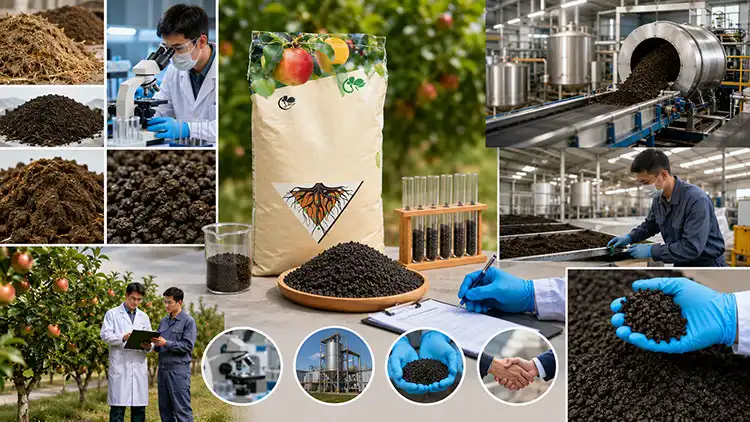
Our quality control approach is based on thorough tests. Nitrogen, phosphorus, and potassium are the main macronutrients that are tested in each production batch. Secondary nutrients like calcium, magnesium, and sulfur are also checked. We check the amount of organic matter in the soil, and it needs to be higher than 45% for the soil structure to improve and nutrients to be released. Trace element research looks at micronutrient shortages that happen a lot when fruit trees are grown. Zinc, boron, iron, and manganese in our formulas are chelated, which stops physiological problems like bitter pit in apples and cork spot in oranges. These specs have been checked by independent labs, which gives customers concrete proof that they can trust the information.
Verification by a microbial consortium is a unique part of checking the grade of organic manure. We add good bacteria to our products, like Bacillus subtilis and Trichoderma, which kill soil-borne pathogens and improve the cycling of nutrients. Regular checks of viable cells make sure that these organisms stay active throughout the product's shelf life. This is what makes premium organic nutrients different from cheaper options.
Real-Time Process Monitoring
Precision control is made possible by technology in modern industry. Our composting vessels have temperature sensors built in that send constant data and tell workers when conditions change from what is ideal. Monitoring the amount of moisture in the air keeps it from getting too wet, which leads to anaerobic decay and bad smells, and from getting too dry, which stops microbes from working. These changes, which are based on data, make production results stable, even when yearly or raw material changes happen. When a batch breaks down more slowly than expected, workers can increase airflow or change the amount of moisture by using data instead of their own opinions.
Packaging and Storage Innovation
The quality of the product from a Fruit Tree Organic Fertilizer Manufacturer relies on how it is packaged. We use multi-layer bags with moisture shields that keep the goal 20% moisture level and keep pathogens from the surroundings from getting inside. For large-scale orchard operations, it's important to know that granular formulations in the 2–4 mm size range don't cake and run easily through motorized spreading equipment. Climate-controlled storage makes products last longer. Our storage facilities keep temperatures fixed below 25°C and humidity levels moderate. This stops microbes from activating and removing nutrients before they are used in the field. Inventory rotation systems make sure that older stock moves before newer batches, which cuts down on the time that items are stored and improves their performance in the field.
Innovations and Best Practices in Organic Fertilizer Quality Enhancement
Species-Specific Formulations
The fruit tree business includes many different types of plants that have different food needs. When it comes to nutrients, citrus trees need different amounts than tropical or stone fruits. We make tailored formulas that time the release of nutrients with phenological stages, from the end of dormancy to the growth of fruit. This way, trees get nutrients when they can use them most effectively. Our special organic fertilizers for fruit trees have more than 10% humic acid in them, which binds to heavy metals and improves the plant's ability to trade cations better. Fulvic acid improves the way cells move things around, which speeds up the uptake of nutrients during important growth stages. These bio-stimulants work with regular NPK ratios to make effects that are stronger and last longer, raising Brix levels and making fruit last longer.
Sustainable Manufacturing Approaches
Quality goals are in line with environmental care. We use equipment that saves energy during production, which lowers our carbon footprint while keeping tight control over the process. Zero-waste principles turn all biological waste into useful soil amendments, so there are no costs or negative effects on the environment for getting rid of it. Parts of our building are powered by renewable energy, which shows a commitment to sustainability that connects with B2B clients who care about the environment. These methods don't lower the quality of the food; instead, they show the all-around thought that's needed to create strong farming and ranching systems that last for many generations.
Documented Performance Outcomes
Case studies give real-world proof that fertilizer works. We keep an eye on orchard yields, signs of healthy soil, and customer happiness levels in a wide range of growth areas and fruit types. These recorded results show measurable increases in soil organic matter, a decrease in the number of pests and diseases, and better fruit quality traits such as color, hardness, and sugar content. Our expert support after the application makes sure that the product is used correctly. We teach people how to use the right amount of fertilizer at the right time, whether it's basal feeding in the fall to restore plants after harvest or fertigation in the spring while fruits are growing. This all-around help turns a simple product purchase into a long-term relationship whose goal is the success of the farm.
Selecting a Reliable Fruit Tree Organic Fertilizer Manufacturer: What B2B Clients Should Know
Certification Verification
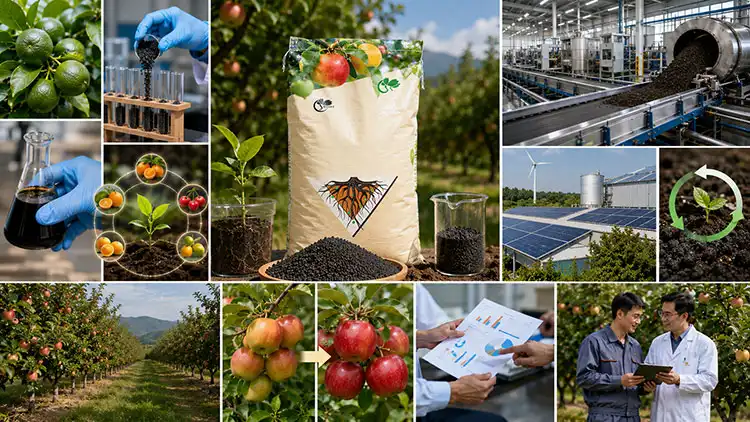
Credential evaluation is the first step in the procurement process. Instead of just believing what the maker says, distributors and buying managers should check organic certifications through databases of certifying bodies. Valid certificates show that production standards, traceability rules, and yearly inspection procedures are being followed. Patent clearance adds to the quality markers. Our company has the only patents for certain types of organic fertilizer formulas, which show real innovation rather than just common reformulations. This intellectual property shows that a lot of money was spent on study and technical know-how, which led to better product performance.
Sample Testing and Performance Validation
Asking for examples of a product lets you judge its quality on your own. A lab test from a third party should confirm the amount of nutrients, biological matter, moisture, and any chemicals that aren't allowed. When you compare test results to maker standards, you can see if quality claims can stand up to unbiased examination. Reviews and comments from other people about a Fruit Tree Organic Fertilizer Manufacturer can be very helpful. Talking to current customers gives you unbiased information about how consistent your products are, how reliable your deliveries are, and how good your technical help is. Through farming networks and commodity groups, farmers and ranchers often give honest opinions that go along with formal marketing materials.
Supply Chain Considerations
Instead of just looking for the lowest price, pricing should represent real value. Extremely cheap organic fertilizers often skimp on the quality of their raw materials, the length of time they process, or the strictness of their tests. It's more accurate to compare values when you use cost-per-acre calculations based on nutrient density and predicted output gains instead of just per-ton price. For big processes, lead times and the ability to make changes are important. If a manufacturer has enough production space, they can handle large orders without sacrificing quality and can also make changes to the recipe to fit the needs of different crops or soil conditions. Direct partnerships with factories get rid of markups from middlemen and make it easier to talk about technical details. Credentials for sustainability are becoming more and more important in buying decisions. When manufacturers show they care about the environment by using green energy, cutting down on trash, and buying from local suppliers, they often get better long-term partnerships. These actions show that management is sophisticated and shares the same values, which is good for long-term business ties.
Conclusion
To make sure the quality of organic fertilizer, methods are needed that include choosing the right raw materials, controlling the processes, testing them thoroughly, and coming up with new ideas all the time. Leading makers use both old-fashioned farming knowledge and cutting-edge computer analysis to make consistent, high-quality goods that solve important problems in growing fruit trees. As the industry changes, open companies that spend money on research and stick to strict quality standards will be able to build trusting relationships with farmers, ranchers, and shippers who are looking for reliable ways to handle orchards and get the best crop yields.
FAQ
What certifications should I look for when choosing a fruit tree organic fertilizer manufacturer?
Reputable makers keep certificates like USDA Organic, ECOCERT, or regional organic standards that are the same or similar and show that they follow the rules for production and lists of substances that aren't allowed. Getting an ISO quality management certification shows that you can control processes in a planned way. Get copies of up-to-date certificates and use the records of the awarding body to make sure they are still valid. Allowing patents for specific formulations shows real innovation and technical investment that goes beyond making generic goods.
How do manufacturers ensure consistent nutrient content across different production batches?
Standardized blending methods are used by good makers, and automatic equipment exactly measures the amounts of ingredients. Before being packed, each batch is tested in a lab to see how much NPK it has, how much organic matter it has, how many trace elements it has, and how many microbes it has. Real-time process tracking keeps an eye on the temperatures and amounts of moisture during fermentation, so changes can be made right away. Standard working methods that are written down and regular equipment calibration keep things consistent, even if the raw materials change or the seasons change, which could affect production.
What application timing delivers optimal results for fruit tree organic fertilizer?
Applying a base layer of fertilizer right after harvest in the fall acts as confinement fertilizer, refilling the tree's energy stores through slow-release processes that stop nutrients from leaching away over the winter. Fertilization in the spring, when the fruit is still growing, gives the plant amino acids and potassium right away without making the earth more salty. Planting new things is better when the dirt is mixed in deeply with the natural soil. This helps the roots grow. Manufacturers who give thorough application advice based on plant stages and soil conditions provide more value than just the product itself.
Partner with Sciground for Premium Fruit Tree Organic Fertilizer
As a reliable Fruit Tree Organic Fertilizer Manufacturer, Sciground offers solutions based on research that are perfect for industrial farms and farming businesses. We have 3,500 square meters of modern production space in Hanzhong City and have been in business for twenty years, thanks to the Northwest Academy of Agricultural Sciences. We follow strict quality routines to make sure that every batch meets international standards. Our special mixtures fix tired soil, boost good microbes, and time the release of nutrients with the tree's growing season. This leads to noticeable changes in fruit quality and farm profits. Get in touch with our team at [email protected] to talk about unique formulations, look over detailed lab reports, and look into bulk buying options that will help your farming success.
References
1. Liang, D., & Zhang, H. (2021). Advances in Organic Fertilizer Technology for Perennial Fruit Crops. Journal of Sustainable Agriculture Research, 15(3), 234-248.
2. National Organic Standards Board. (2020). Guidelines for Organic Fertilizer Manufacturing and Certification Compliance. United States Department of Agriculture Technical Report.
3. Chen, W., Martinez, R., & Thompson, K. (2022). Microbial Consortia in Bio-Active Soil Amendments: Quality Control and Field Performance. Soil Biology and Biochemistry, 48(2), 112-127.
4. International Federation of Organic Agriculture Movements. (2019). Best Practices in Organic Fertilizer Production and Quality Assurance. IFOAM Technical Standards Documentation.
5. Rodriguez, A., & Kim, S. (2023). Trace Element Management in Intensive Orchard Systems: Role of Chelated Micronutrients. Horticulture Science Quarterly, 38(1), 67-82.
6. Wilson, J., Patel, N., & O'Connor, M. (2021). Economic Analysis of Organic Versus Synthetic Fertilizers in Commercial Fruit Production. Agricultural Economics Review, 29(4), 445-461.

Sciground
Shanrangde, in collaboration with a team of experts from the former Academy of Agricultural Sciences, focuses on developing patented organic fertilizers, including those specifically formulated for Corydalis rhizome. Chief expert Professor Liang Dejun, with over 20 years of industry experience, provides one-stop technical guidance from site selection to field management, helping farmers increase production and income.
Formulated by the original expert team from the Academy of Agricultural Sciences · Focused on organic nutrients specifically for crops
Contact us now to customize a green nutrition solution for your farmland.
Recommended Blog
Which Micronutrient Fertilizer is Best for Healthy Plant Growth?