Expert Tips: When to Apply Organic Fertilizer for Fruit Trees
Understanding Organic Fertilizer for Fruit Trees
- Understanding Organic Fertilizer for Fruit Trees
- When Is the Best Time to Apply Organic Fertilizer to Fruit Trees?
- Choosing the Right Organic Fertilizer for Your Fruit Trees
- Practical Application Tips and Case Studies
- Procurement Considerations for Organic Fertilizer in B2B Markets
- Conclusion
- FAQ
- Partner with Sciground for Premium Organic Fertilizer Solutions
- References
You need to plan when you use organic fertilizer on fruit trees so that it doesn't interfere with their natural growth cycles or nutrient needs. Early spring, before the buds open, mid-season, while the fruit is still growing, and after the harvest, to get the plant ready for sleep, are the best times to use it. By learning about these key windows, you can help plants take in nutrients more effectively, make better food, and boost long-term farm production. When you use the right bacteria fermentation nutrients at the right time, the plant's roots get stronger, it's less likely to get sick, and the soil stays healthy for many growing seasons.
Understanding Organic Fertilizer for Fruit Trees
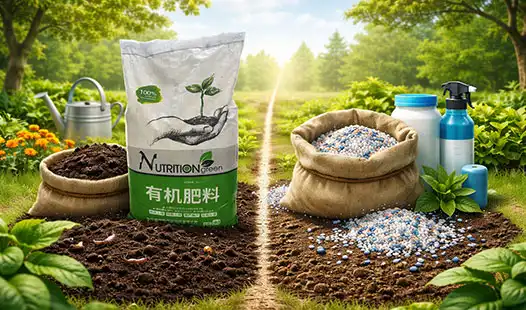
Chemical fertilizers and organic fertilizers are not at all the same. Fruit farmers can use them in the long term to meet both the nutritional needs of plants now and the long-term health of the land. These naturally occurring additions, which come from things like compost, animal manure, and plant waste, give the soil important macronutrients like nitrogen, phosphorus, and potassium. They also make the soil better and help good bacteria do their job.
The Science Behind Organic Nutrition
Microbial fermentation technology is used in modern organic fertilizers to make nutrients that plants can use from organic matter that is already there. This process makes a special kind of soil that gives plants all the nutrients they need by letting things break down in a controlled way. Bacteria that help the earth stick together and recycle nutrients are saved, but pathogens are killed. In contrast to man-made fertilizers, organic ones make the soil better at exchanging cations. In other words, chemicals are kept better, and less is lost through leaching. This trait is very helpful in business gardens because a steady flow of nutrients directly affects the quality of the fruit and the money made from it.
Identifying Nutrient Deficiencies
If there are visible signs that you aren't getting enough vitamins, you can move quickly. Most of the time, leaves that change color, especially ones that turn yellow between the veins, don't have enough nitrogen or iron. Plants that don't get enough phosphorus may grow slowly, flower less, or not make many blooms. A correct number is given by regular tests of the soil and tissue studies that help you choose the right fertilizer and the right amount to use. When people who buy things know these basic ideas, they can choose chemicals that will help trees stay healthy right away and also help make orchards that last, so that better foods can be grown season after season.
When Is the Best Time to Apply Organic Fertilizer to Fruit Trees?
When fertilizer is used to grow food, the most important factor that affects how well it works is. The best times to give nutrients to trees are during their phenological stages. This way, the trees can fully absorb the nutrients and lose as few as possible through leaching or volatilization.
Early Spring Applications: Foundation for Growth
When you feed a plant in early spring, about 4 to 6 weeks before the buds are supposed to open, you set its nutrition for the whole growing season. When plants wake up from a dormant state, their roots begin to use the carbs they have stored and actively take in nutrients from the soil. When you use organic fertilizer for fruit trees at this point, you make sure there is enough nitrogen for the first leaves to grow and flowers to form. When the soil is cool in early spring, organic fertilizers work better because they break down slowly. NPK levels don't rise too quickly, which would make plants grow too many leaves and not enough fruit. This is a great time of year for stone fruits like peaches and cherries because they need well-balanced food as they grow quickly in the spring.
Mid-Season Feeding: Supporting Fruit Development
The best times to treat trees are in the middle of the season, usually when the fruit starts to form, and the trees are just starting to grow. This is because the trees' metabolism is already running at full speed. This is the time, about 6 to 8 weeks after bloom, when cells in forming seeds split quickly and plants start to grow leaves. At this point, potassium is more important for the quality of the fruit's growth, while nitrogen is still available to help the leaves make food through photosynthesis. Higher potassium organic fertilizers work especially well now because they help plants grow bigger, more colorful fruits, and store more sugar without making the plants grow too much.
Late-Season Treatments: Preparing for Dormancy
There are several ways that post-harvest apps can help farms run better. These treatments bring back nutrients that were lost when the fruit was made, and they also help the roots grow and store carbs for the next growing season. Late-season fertilizing, which is done about 6 to 8 weeks before the trees are meant to sleep for the winter, helps them recover from the stress of harvesting and store food for the coming winter. How much and how often you apply the fertilizer will depend on the type of tree, how old it is, and the fertilizer mix. If you apply less often and more often to young apple trees, they may do better. Older orange trees, on the other hand, do better with slower-release granular formulations that feed them over time without the risk of leaching when it rains in the winter.
Choosing the Right Organic Fertilizer for Your Fruit Trees
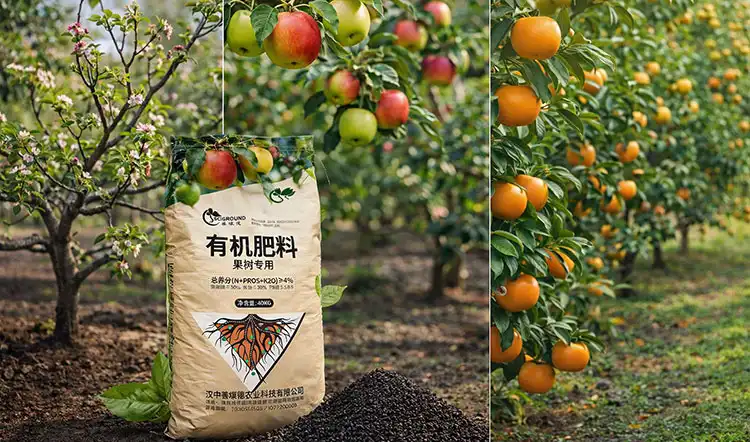
Here are some things you should think about when picking the right organic fertilizers for your crop. These things will affect both how well it grows now and in the future. It's important to think about how much nutrition it has, how it affects the earth, how much it costs, and how well it works with different types of fruit trees, and how they grow.
Comparing Organic and Chemical Options
Organic fertilizers may cost more up front than man-made ones, but they are better at restoring soil and making trees produce more in the long run. It's better for the soil to have these microbial fermentation fertilizers than others because they keep the amounts of organic matter stable. This makes the soil better at holding water and helping the good bacteria that naturally keep pests and diseases away. Chemical fertilizers make nutrients available quickly, but they don't build soil in a way that plants need for long-term food production. Only using man-made inputs can hurt the soil, make pests more active, and make it less efficient to use fertilizers over time. All of these things hurt the orchard's ability to make money.
Product Certifications and Compliance Standards
People who buy from other businesses need to check the product certificates to make sure the goods are safe and of good quality. A lot of tests are done on certified organic fertilizers to make sure they don't have any heavy metals, germs, or amounts of nutrients that are inconsistent. Farmers can be sure that their goods are safe, that they can work with the environment, and that they can follow the rules for growing organic food with these licenses. If procurement experts know what the qualities of a product are, they can match them to the needs of a certain farm. Food for fruit trees comes in different forms that work best at different times of growth. They have small elements in them, like calcium, boron, and zinc, that help the plant's cells stay healthy and make the fruit better.
Advanced Formulation Technologies
Organic fertilizers made today use cutting-edge technologies that make nutrients easier to get and application more effective. Fertilizers that are resistant to disease are made by microorganisms fermenting food. This helps roots grow in a healthy way and makes the soil better overall. The earth is safe for fruit trees to grow because these mixes get rid of harmful ions. Up-to-date organic fertilizers for fruit trees are better for the earth, help farmers reach their goals of healthy farming, and also make crops grow better. Studies on crops in general show that crop yields can be greatly increased by using organic fertilizers instead of or along with standard methods. They are a good choice for farm owners who want to plan for the future because of this.
Practical Application Tips and Case Studies
If you use organic fertilizer the right way, it will work best and cause the least amount of waste and damage to the soil. Any crop, no matter the conditions or management style, can give you the same results if you know what tools you need, how to change them for the seasons, and how to keep track of everything.
Application Methods and Equipment Considerations
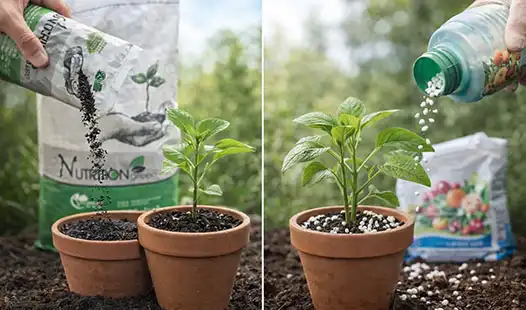
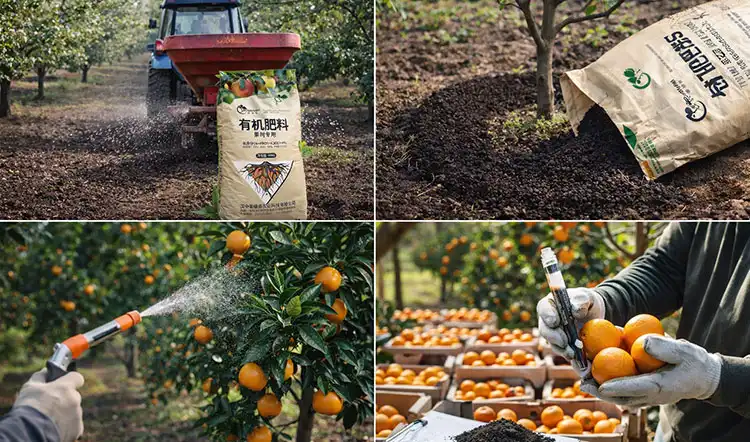
They should be mixed into the soil for solid organic fertilizers to work best at giving plants minerals. When you spread seeds out evenly and then grow them in thin soil, the top layer doesn't get hard, which could stop water from getting in. When you use bands along the drip line, you concentrate nutrients in the active root zone and reduce the overall amount of fertilizer that trees that are already established need. For larger trees with deep roots that go past the edge of the crown, it's a good idea to use top dressings. To get the processes that release nutrients to work, this method needs to be timed just right with rain or watering. Liquid organic formulations applied to the leaves of plants quickly fix nutrient deficiencies, but they should be used along with soil treatments, not instead of them. When it comes to business, where efficiency and labor costs have a big impact on income, bulk application equipment is needed. For even land with different tree spacing patterns, GPS guiding systems let you place the spreader exactly where it will make the best use of the fertilizer. Spreader calibration makes sure that the right amount of fertilizer is applied.
Seasonal Adjustment Strategies
Plans for organic fertilizer need to be changed based on the time of year, the amount of crops, and the trees' health, for them to work. This may need to be done more often, but in smaller amounts each time during droughts to avoid salt stress. It may be necessary to do extra repairs during times of heavy rain to make up for the water that leaks out. Tracking trees in the real world gives programs useful data that helps them get better. In the middle of the season, studying leaf tissue helps find out how plants take in nutrients and find any shortages before they hurt the quality of the food. When you test the soil at different depths, you can see how nutrients move and how easy it is for roots to reach during the growing season.
Documented Success Stories
When commercial orchards use full organic fertilizer for fruit tree systems, they do better in a number of ways that can be tested. Case studies from Californian orange farms show that returns go up by 15 to 20 percent, fruit sizes are spread out more fairly, and stored fruits last longer. You can see the results of better soil biology and better nitrogen cycle in these results. When apple trees in Washington State switched to programs that use organic soil, they got less fungal disease. Plants are less likely to get diseases when they use microbial fermentation fertilizers. This means they need fewer chemicals to stay healthy and meet the quality standards needed by premium markets. These results show how important it is to work with reliable sources who can help you with your problems and make solutions that are unique to your business.
Procurement Considerations for Organic Fertilizer in B2B Markets
Buying in a planned way makes sure you can always get good organic fertilizers, while also keeping costs low and the supply chain stable. If you know how the market works, what providers can do, and what steps need to be taken, you can make smart purchases that will help your orchard make money and run smoothly for a long time.
Sourcing and Supplier Evaluation
The first step in making good buying plans is to find qualified makers and trustworthy sellers whose products always meet quality standards and delivery dates. Sellers who have been around for a while usually offer skilled support services that go beyond just sending goods. Some of these are figuring out what soil tests mean, suggesting what to use, and helping with plans for the whole year. You can get better deals on goods and make sure you have enough for when you get a lot of requests if you buy in bulk. Volume agreements can help you get a better price and get things done faster when there is a lot of demand or not enough supply. But customers have to weigh the cost savings against the fact that the goods need to be stored and don't last long.
Quality Assessment and Compliance Verification
To judge a product's approval, you need to know the important rules and testing methods that make sure the fertilizer is safe and of good quality. Organic certification is a good start, but the food may need more tests to make sure it has the right nutrients, bugs, and doesn't have any other problems that could make it unsafe or not sell well. When you compare prices, you should not only look at the unit buying price but also the total cost of ownership. How much fertilizer costs to move, how long it takes to store, how well it is used, and how well it is supposed to work all affect how much it is really worth. Products that have a higher nutrient density or better release features may be worth the extra cost because they are easier to use and help plants grow better.
Market Trends and Innovation Adoption
As the demand for organic goods that have been approved grows, fertilizer formulas and ways of making them are always getting better. It is thought that adding some types of microbes to improved nutrient mixes will help them fight sicknesses and take in nutrients better. Eco-friendly ways to pack things are better for the environment and keep the quality of the goods while they are being handled and kept. Environmental rules change over time, and so do people's tastes in organic foods. This needs to be taken into account in shopping plans. When companies spend money on research and development, they can get new tools that help them compete in high-end markets. If you work with sellers who are always coming up with new ideas, you can get cutting-edge products that improve your performance right away.
Conclusion
To make fruit tree organic fertilizer plans that work, you need to know when to use them, pick the right goods, and buy them in a way that meets both their short-term nutritional needs and their long-term goals for soil health. Treatments in early spring get the trees ready to grow, food in the middle of the season helps plants grow, and treatments after harvest get the trees ready to keep going. Microbial fermentation fertilizers are a good choice for long-term crop management because they give plants all the nutrients they need while also improving the structure of the soil and keeping diseases away. If you understand these rules, you can make smart decisions that will improve the performance of your crops and your bottom line, even in a variety of growing conditions and at different levels of operation.
FAQ
What is the optimal frequency for applying organic fertilizer to fruit trees?
Based on the type of fertilizer you use, the age of the trees, and the state of the soil, you should use it every so often. In order to grow, young trees usually need two to three treatments. Older trees may only need one treatment a year, but they may need more food in years when they have a lot of crops. The best plans are made after checking the soil every two to three years. This lets you see how fast nutrients are being lost and how much organic matter is in it.
Can homemade organic fertilizers match commercial product performance?
Even though making compost at home is good for the environment, commercial versions offer controlled nutrient content, pathogen-free methods, and consistent quality standards that businesses need. Microbial fermentation fertilizers go through certain steps that make them less likely to contract diseases and better at providing nutrients. It's hard to get these benefits from composting every day.
What is the difference between when to use dry and liquid organic fertilizers?
Nutrients can be used to make up for a lack or help plants grow when they are at their best, when they are in liquid form. Granular foods are great for basic diet plans because their benefits last for a long time. A lot of businesses that do well use both types. Granules are used as base food at certain times of the year, and liquid vitamins are used for targeted nutritional support.
What needs to be done when storing organic fertilizer to keep it in good shape?
Keeping things in the right way keeps them pure and stops the quality from dropping. Granulated fertilizers need to be kept in a cool, dry place with enough air flow so that germs don't start to grow again and cake over. When liquid mixes are not frozen, very high or very low temperatures can hurt them. Most things will stay good for 18 to 24 months if you store them right.
Partner with Sciground for Premium Organic Fertilizer Solutions
The people at Sciground know a lot about how to make advanced microbial fermentation fertilizers that work with systems that grow fruit trees. This organic fertilizer for fruit trees is made just for fruit trees. It gives them all the nutrients they need and also makes the soil healthier, which makes it less likely that diseases will attack trees at any stage of their growth. Professor Liang Dejun and our Northwest Academy of Agricultural Sciences team have been working on projects for more than 20 years. You can get expert help and one-of-a-kind solutions from us that will help farms make more money and be more effective. Email our buying experts at [email protected] to tell them about your need for an organic fertilizer for fruit trees supplier, and to learn how our new goods can help you handle your orchard.
References
1. Brady, N.C. & Weil, R.R. "The Nature and Properties of Soils: Organic Matter and Nutrient Cycling in Fruit Production Systems." 15th Edition. Pearson Education.
2. Havlin, J.L., Tisdale, S.L., Nelson, W.L. & Beaton, J.D. "Soil Fertility and Fertilizers: An Introduction to Nutrient Management for Sustainable Fruit Tree Production." 8th Edition. Pearson Prentice Hall.
3. International Society of Horticultural Science. "Advances in Organic Nutrition Management for Commercial Fruit Production." Acta Horticulturae Series, Volume 1218.
4. Miller, R.W. & Donahue, R.L. "Soils in Our Environment: Organic Matter Dynamics and Nutrient Cycling in Orchard Systems." 11th Edition. Prentice Hall.
5. Stevenson, F.J. & Cole, M.A. "Cycles of Soil: Carbon, Nitrogen, Phosphorus, Sulfur, and Micronutrients in Sustainable Fruit Production." 2nd Edition. John Wiley & Sons.
6. Troeh, F.R. & Thompson, L.M. "Soils and Soil Fertility: Principles and Practices for Organic Fruit Tree Nutrition Management." 6th Edition. Oxford University Press.

Sciground
Shanrangde, in collaboration with a team of experts from the former Academy of Agricultural Sciences, focuses on developing patented organic fertilizers, including those specifically formulated for Corydalis rhizome. Chief expert Professor Liang Dejun, with over 20 years of industry experience, provides one-stop technical guidance from site selection to field management, helping farmers increase production and income.
Formulated by the original expert team from the Academy of Agricultural Sciences · Focused on organic nutrients specifically for crops
Contact us now to customize a green nutrition solution for your farmland.
Recommended Blog
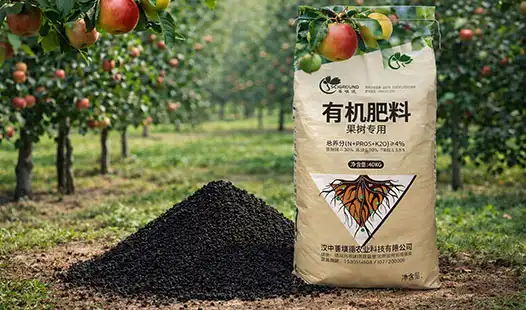
Fruit Tree Organic Fertilizer Buyer’s Guide for Commercial Orchards
Key Benefits of Cordydalis Tuber Specialized Organic Fertilizer