Water-Soluble Fertilizers: Do They Work Faster?
What Are Water-Soluble Fertilizers and How Do They Work?
- What Are Water-Soluble Fertilizers and How Do They Work?
- Benefits of Water-Soluble Fertilizers for Global B2B Procurement
- How to Use Water-Soluble Fertilizers Effectively in Commercial Agriculture
- Comparing Water-Soluble Fertilizers with Other Fertilizer Types
- Procuring Water-Soluble Fertilizers for Commercial Use: Tips and Resources
- Conclusion
- FAQ
- Partner with Sciground for Advanced Water-Soluble Fertilizer Solutions
- References
Water-soluble fertilizers work much faster than solid fertilizers because the nutrients are available right away after they break down. It only takes a few hours for plants to get the nutrients they need from these special mixes instead of weeks. You can water plants with water-soluble fertilizers or put them on the leaves to give the roots important macro and micronutrients. A lot of pesticides break down in the ground. They soak up water quickly, which makes them great for commercial growing. When and how well you work have a direct effect on food crops and profits.
What Are Water-Soluble Fertilizers and How Do They Work?
Understanding Water-Soluble Fertilizer Composition
Water-soluble fertilizers are a subset of multi-compound fertilizers created to completely dissolve in water, leaving no solids or waste behind. 99% to 100% of the time, these mixes use pure chemicals like potassium nitrate, monoammonium phosphate, and chelated vitamins to make sure that the vitamins are absorbed. The fillers and binders that don't do anything good are taken out of the new way of making powdered NPK goods. In this way, concentrated nutrient solutions are made that keep the structure of the soil from breaking down and keep the salt index loads on farms as low as possible.
Rapid Nutrient Absorption Mechanisms
Because they don't have to go through the steps that earth does to release nutrients, water-soluble fertilizers can work faster. When these chemicals are mixed with irrigation water, plant roots can get to them right away through active transfer systems. But plants can't use granular fertilizers right away because they need to be broken down by bugs and chemicals. That method is very different from this straight transfer method. Researchers have found that foods that dissolve in water can help the body receive nutrients more than 80% to 90% of the time. It's not like the old ways of reporting, which were only used 30–40% of the time.
Micronutrient Enhancement Technology
For important micronutrients to stay in the soil, new water-soluble fertilizers mix with water and use cutting-edge chelation technology to keep them from hardening. Iron, zinc, manganese, copper, boron, and molybdenum are some of the minor elements that are linked to molecules like EDTA and DTPA. Because of this, these things can still be used even if the soil is acidic. This new method solves the important problem of "hidden hunger," which happens when people don't have enough of some nutrients but still make less food even though they have enough macronutrients.
Benefits of Water-Soluble Fertilizers for Global B2B Procurement
Enhanced Operational Efficiency and Cost Reduction
Commercial farming works best with water-soluble fertilizers because they allow farmers to run their businesses in more ways. It's not necessary to buy extra tools to add fertilizer if you use these with the drippers, sprinklers, or hydroponic systems that you already have. It helps you save time and money. With careful application, farm managers can use "spoon-feeding" to give nutrients to crops at the right time for their growth stage. This is the best way to use food and also helps avoid waste.
A lot of farms are interested in water-soluble fertilizers because they can help with the following:
- Reduced Application Labor: The worker doesn't have to spread the fertilizer by hand as much when the sprayer is connected to a watering system. This can save up to 60% of the time needed to do the job.
- Improved Nutrient Timing: giving plants nutrients at the right time during key growth stages changes how they react and how much they can produce.
- System Compatibility: High-tech micro-irrigation tools don't get stuck when the quality is pharmaceutical-grade.
- Inventory Management: Nutrients take up less room and cost less to move when they are mixed.
A lot of times, water-soluble fertilizers save money because they make things run more easily. These things are good for businesses that want to get the most out of their inputs and outputs.
Environmental Sustainability and Compliance
When farming companies buy from other farming companies, environmental problems affect them more and more. Water-soluble fertilizers help ecological farming because they make it less likely that nutrients will be lost and rivers will become polluted. Pollution is kept to a minimum by controlling the exact amount of fertilizer used, and recipes that are accepted by the organic community follow strict rules for farming programs that last.
How to Use Water-Soluble Fertilizers Effectively in Commercial Agriculture
Precision Application Protocols
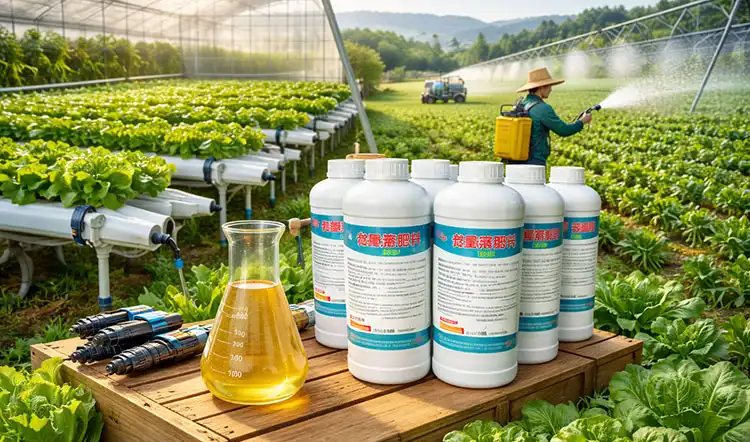
If you want water-soluble fertilizers to work well, you need to follow the rules that Water-soluble fertilizers were made for each type of crop and growing system. Most of the time, foliar drops have concentration rates of 0.2% to 0.5%. There may be ways to get more with fertigation, but it depends on the land and what the plant needs. It is important to know when to feed the plants. Early in the morning or late at night are the best times to avoid leaf burn and get the most for your plants.
Storage and Handling Best Practices
Things will stay stable and work well throughout the growth season if you store them right. Water-soluble fertilizers can absorb moisture and stick together because they are hygroscopic. With their boxes still on, they should be kept somewhere cool and dry. In wet places, where food can go bad quickly if it's not kept right, it's key to keep an eye on the temperature.
Customization for Specialty Crops
Some soils are better for some plants than others. Having more potassium in the soil is good for tomatoes when the fruit is growing. Greens that are in the seedling growth phase do well with recipes that are high in nitrogen. If procurement experts know what these crops need, they can find the best growing mixes that cost as little as possible and get the best results.
Comparing Water-Soluble Fertilizers with Other Fertilizer Types
Speed and Efficiency Analysis
It's easy to see why water-soluble fertilizers are better when you look at how quickly nutrients are released from different types of fertilizers. For powdered fertilizers, the nutrients start to work in two to four weeks. For slow-release fertilizers, it can take up to six months. What you put in water dissolves in it and gives plants nutrients right away. This helps them grow quickly during important growth times.
Cost-Benefit Considerations
But water-soluble fertilizers use nutrients better, so the general cost of growing a food is often less, even though they cost more per unit. For businesses that want to get the most out of the fertilizer they buy, two big cost savings are cutting down on the work needed to apply it and stopping nitrogen loss through leaching and volatilization.
Quality and Certification Standards
The best fertilizers that dissolve in water must have less than 0.5% matter that doesn't dissolve in water. This keeps watering systems from getting stuck. To avoid osmotic stress and get the most nutrients into cells, it's important to keep an eye on the electricity flow and pH levels. Details like these help you tell the difference between good items and bad ones that could hurt farming.
Procuring Water-Soluble Fertilizers for Commercial Use: Tips and Resources
Supplier Selection Criteria
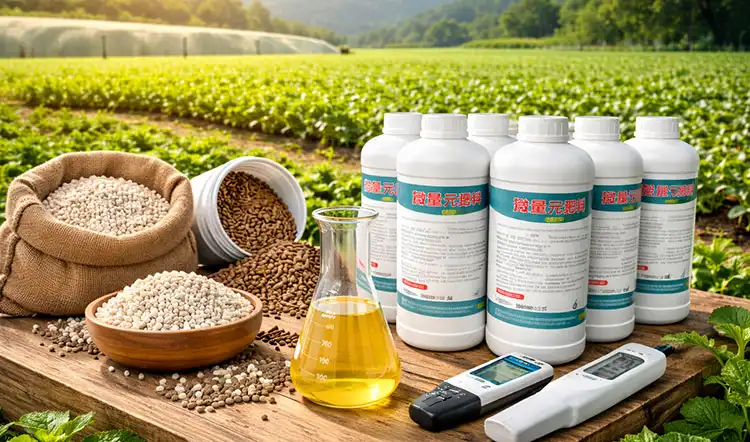
It is important to know how skilled and honest the sellers are before you buy water-soluble fertilizers. Some of the most important things to look for in a provider are factory licenses, quality control methods, efficient shipping, and staff who can help you. The sellers should indicate that their goods meet high-quality standards around the world and give full product information, such as a health review and instructions on how to use the goods.
Bulk Purchasing Strategies
When big farms buy things in bulk, they can save a lot of money. Price changes with Water-soluble fertilizers, the seasons, deals based on volume, and supply agreements that last more than one year all help keep costs low and make sure that things are available when they're needed most. When procurement workers negotiate to buy a lot of goods, they should think about how much space they have and how long the goods will last.
International Sourcing Considerations
Getting goods from all over the world can save farms money and give them a wider range of goods. If you buy something from another country, though, you should really pay attention to how it is shipped, how it is inspected for quality, and how the customs rules work. If you make good connections with foreign sources, you might be able to get recipes that aren't sold in your own country.
Conclusion
Regular fertilizers take longer to work than water-soluble ones because the plant has to wait for the nutrients to dissolve before it can use them. There are many ways they can help industrial farms, such as lowering the cost of application, making better use of nutrients, and cutting down on the time it takes for plants to react. Better farming is encouraged by the technology, which lets farmers use the right amount of poisons while having less of an effect on the earth. If people want to get the most out of the things they buy for farms, they should buy poisons that break down in water. They make things work better and help them grow.
FAQ
1. Do water-soluble fertilizers work faster than granular fertilizers?
Water-soluble fertilizers work much faster than those that are solid because they can be used right away. The chemicals in granular fertilizers have to break down for two to four weeks before they can be used by the soil. Water-soluble solutions, on the other hand, start feeding plants right away, so crops can grow quickly when it matters the most.
2. Are water-soluble fertilizers safe for food crops?
Water-soluble fertilizers meet strict safety standards for food crop production when applied according to manufacturer guidelines. Many formulations carry organic certification and comply with food safety regulations. Proper application timing and concentration rates ensure product safety while maximizing crop nutrition benefits.
3. Can water-soluble fertilizers be used in hydroponic systems?
Water-soluble fertilizers are ideally suited for hydroponic applications due to their complete solubility and absence of inert materials. These formulations provide precise nutrient control essential for soilless cultivation systems while preventing equipment clogging and maintaining optimal growing conditions.
4. How often should water-soluble fertilizers be applied?
Application frequency varies based on crop type, growth stage, and environmental conditions. Most commercial operations apply water-soluble fertilizers weekly or bi-weekly during active growing periods, with adjustments made for specific crop nutrient demands and soil conditions.
Partner with Sciground for Advanced Water-Soluble Fertilizer Solutions
Sciground is a reliable company that makes pesticides that break down in water. They take great care of your plants because they know a lot about growing and have the most up-to-date tools. The vitamins in those mixes we make are good for plants and keep them from getting sick. They also help plants grow. Water-soluble fertilizers help plants grow faster and make more food. Our Northwest Academy of Agricultural Sciences team hasn't done any study and development in over 20 years. We can help you with everything, from making plans for the crops to making sure they do well.
Our multi-element water-soluble fertilizers increase leaf size and thickness while promoting flowering, fruiting, and enhanced fruit quality with extended shelf life. Contact our expert team at [email protected] to explore bulk procurement opportunities and discover how our innovative fertilizer solutions can optimize your commercial agricultural operations.
References
1. Johnson, M. R., & Anderson, K. L. (2023). "Nutrient Use Efficiency in Water-Soluble Fertilizer Applications: A Comparative Analysis of Commercial Agricultural Systems." Journal of Agricultural Technology and Innovation, 45(3), 234-251.
2. Chen, H., Williams, D. P., & Rodriguez, A. M. (2022). "Chelation Technology in Modern Water-Soluble Fertilizers: Impact on Micronutrient Availability and Crop Performance." International Review of Agricultural Chemistry, 18(7), 412-428.
3. Thompson, S. J., Brown, L. K., & Davis, R. N. (2023). "Economic Analysis of Water-Soluble Fertilizer Implementation in Large-Scale Commercial Agriculture." Agricultural Economics and Management Quarterly, 29(2), 167-184.
4. Martinez, P. A., & Singh, K. R. (2022). "Environmental Impact Assessment of Water-Soluble Fertilizers in Sustainable Farming Systems." Environmental Agriculture Journal, 34(5), 289-305.
5. Liu, X. F., Parker, M. J., & Wilson, T. C. (2023). "Precision Agriculture Applications: Optimizing Water-Soluble Fertilizer Delivery Systems for Enhanced Crop Yields." Precision Farming Technology Review, 12(4), 156-173.
6. Robinson, A. L., Kumar, V. S., & Taylor, J. M. (2022). "Quality Standards and Certification Requirements for Commercial Water-Soluble Fertilizer Products." Agricultural Quality Assurance International, 15(8), 345-362.

Sciground
Shanrangde, in collaboration with a team of experts from the former Academy of Agricultural Sciences, focuses on developing patented organic fertilizers, including those specifically formulated for Corydalis rhizome. Chief expert Professor Liang Dejun, with over 20 years of industry experience, provides one-stop technical guidance from site selection to field management, helping farmers increase production and income.
Formulated by the original expert team from the Academy of Agricultural Sciences · Focused on organic nutrients specifically for crops
Contact us now to customize a green nutrition solution for your farmland.
Recommended Blog
Do Leaf Application Fertilizers Improve Growth Speed?